Professor Gregor Majdič, Rector of the University of Ljubljana, at a discussion on the upcoming EU budget: No groundbreaking innovations without strong basic research

Photo: Jérôme Hubert
Date of publication:
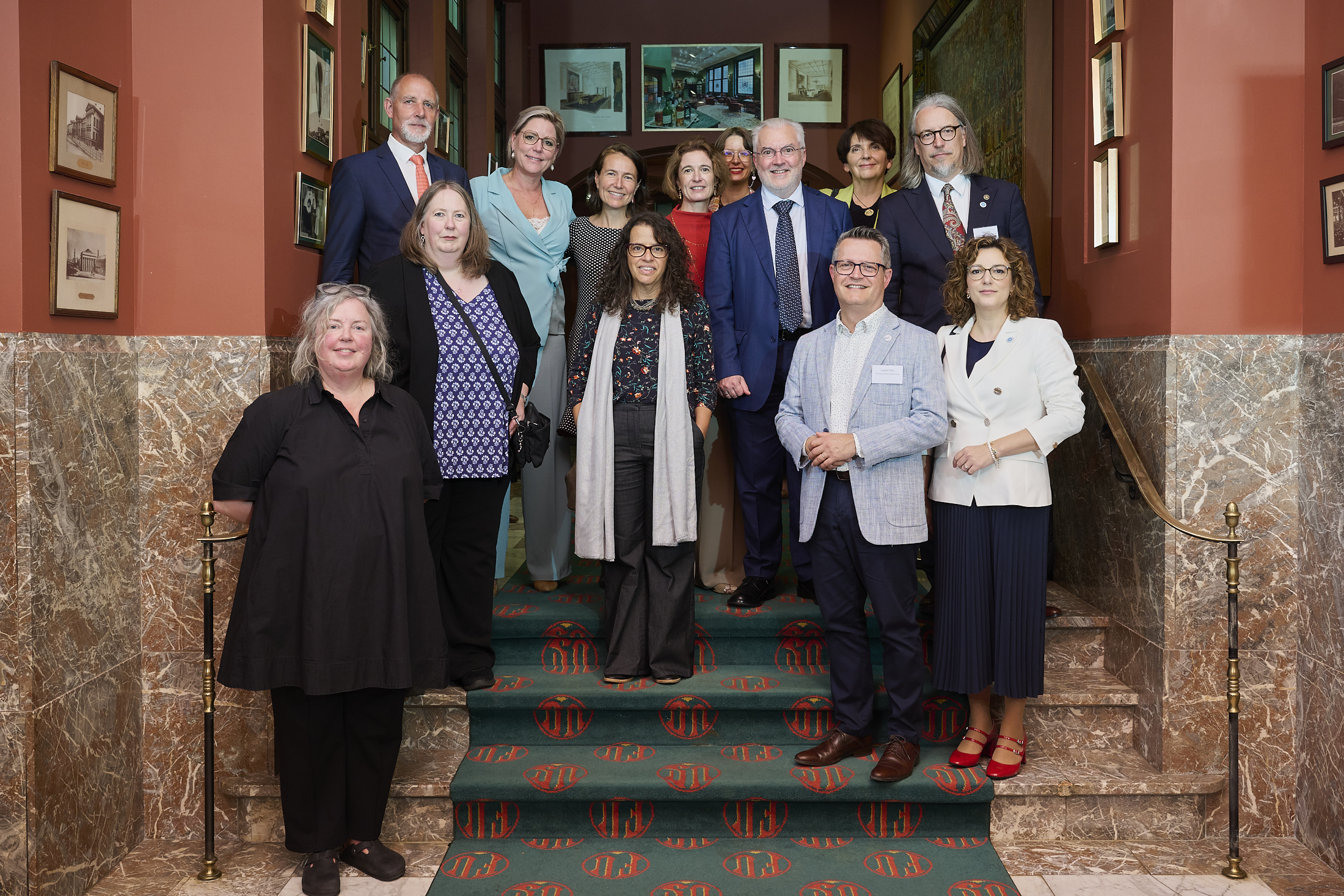
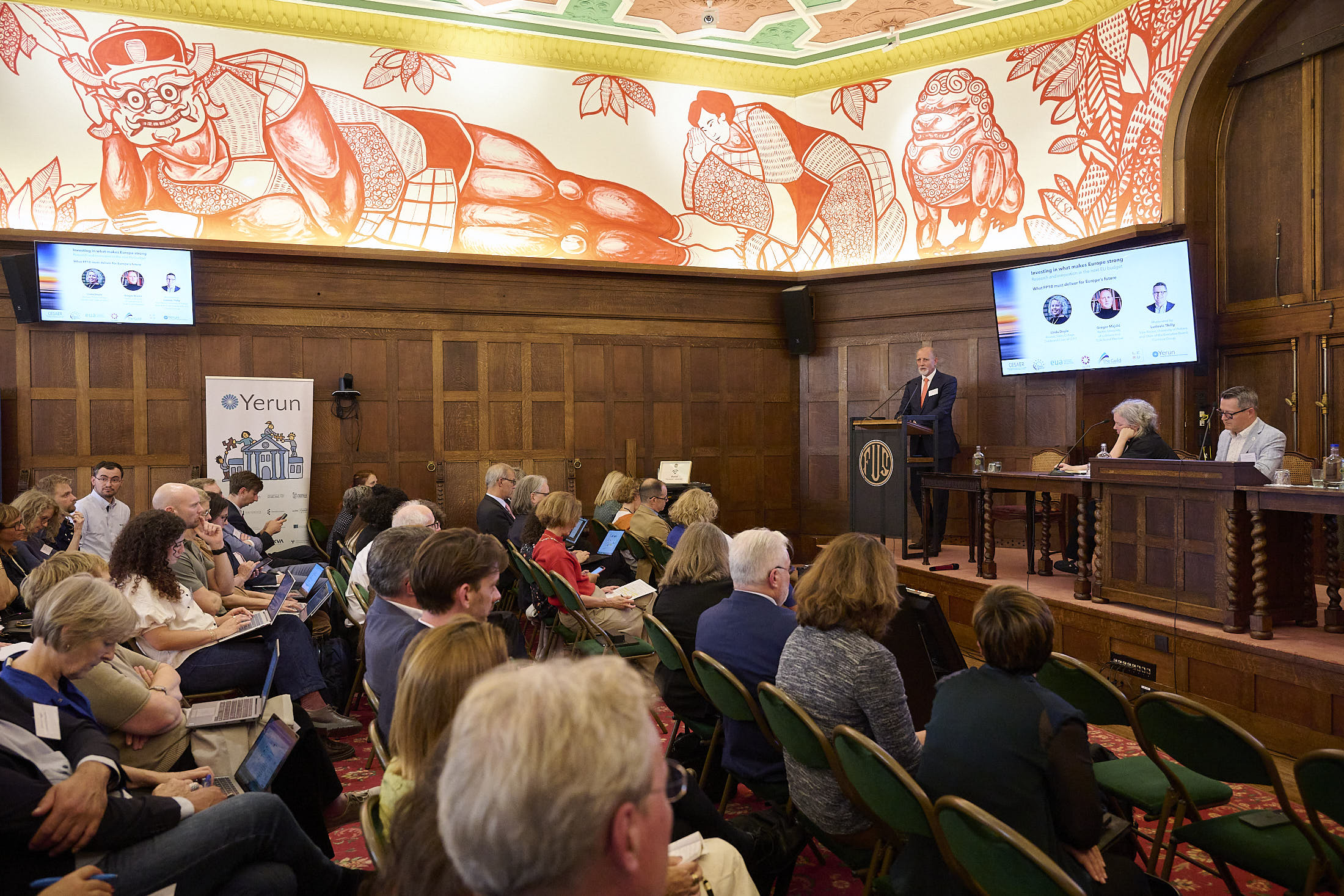
On 9 September 2026, the European University Association (EUA) and six leading European academic groupings held a discussion in Brussels on the importance of research and innovation in the EU’s Multiannual Financial Framework (MFF) 2028–2034. The event was attended by representatives of European institutions, universities and research organisations, with the University of Ljubljana’s Rector, Professor Gregor Majdič, among the speakers on a panel discussion that also included the Dutch Minister of Education, Science and Culture Rianne Letschert, the Rector of Trinity College Dublin Linda Doyle and MEP Eszter Lakos. They pointed out that the EU could not reduce investments in research and innovation if it wished to maintain its competitiveness and respond successfully to the social and economic challenges of the future.
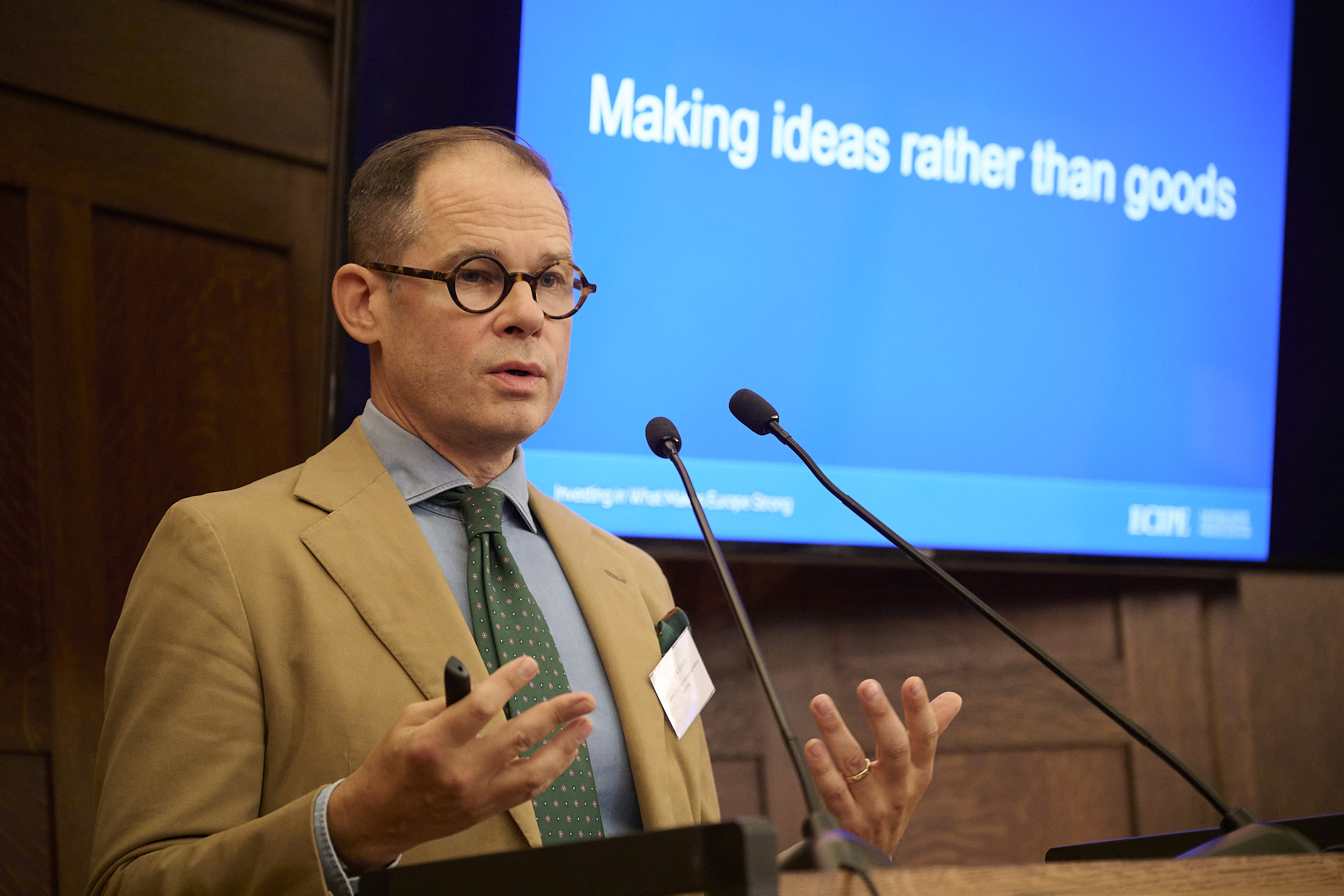
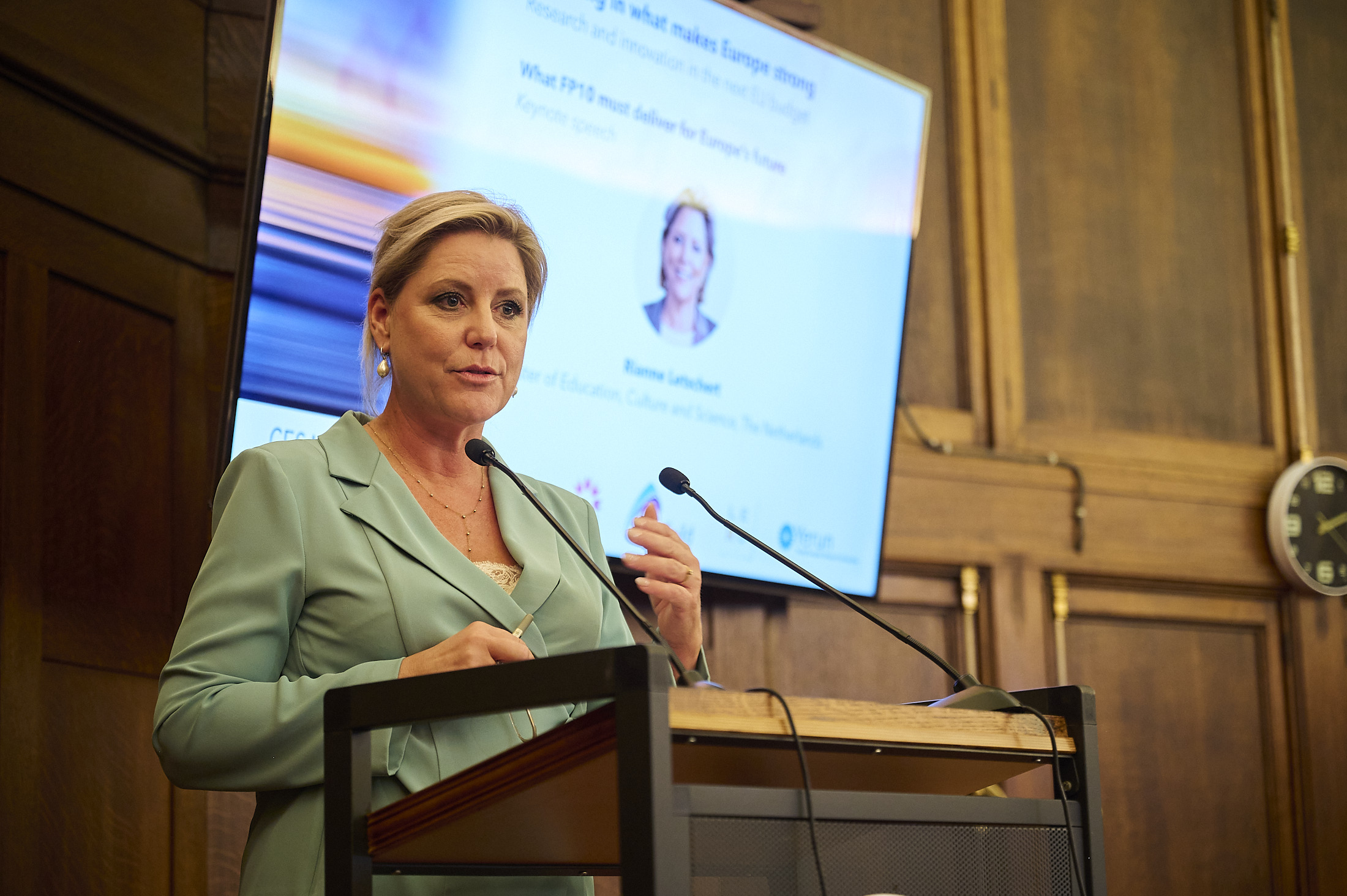
Fredrik Erixon, a director at the European Centre for International Political Economy, highlighted the importance of investing in research-focused universities as the key factor in economic development and social progress. He emphasised that the EU would have to start investing more heavily in development if it wished to catch up with more innovative countries, since the share of GDP given over to research across the EU overall was much lower than in the USA, China, South Korea and some of the other most innovative countries – a fact that clearly had an impact on progress and economic growth. Dutch education minister Rianne Letschert pointed out that investments in knowledge and R&D were not a cost as such, but a long-term investment with high returns for society and the economy.
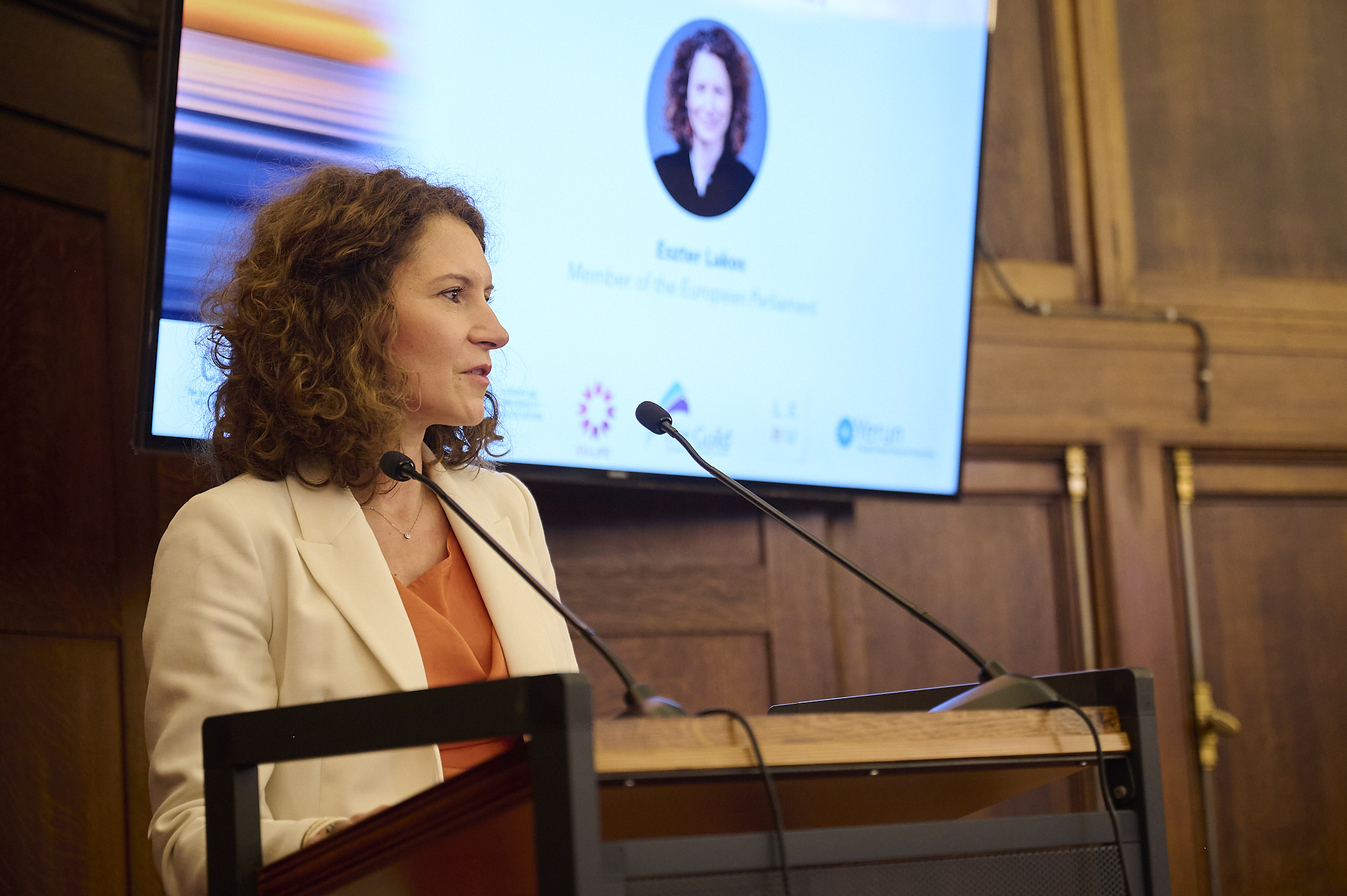
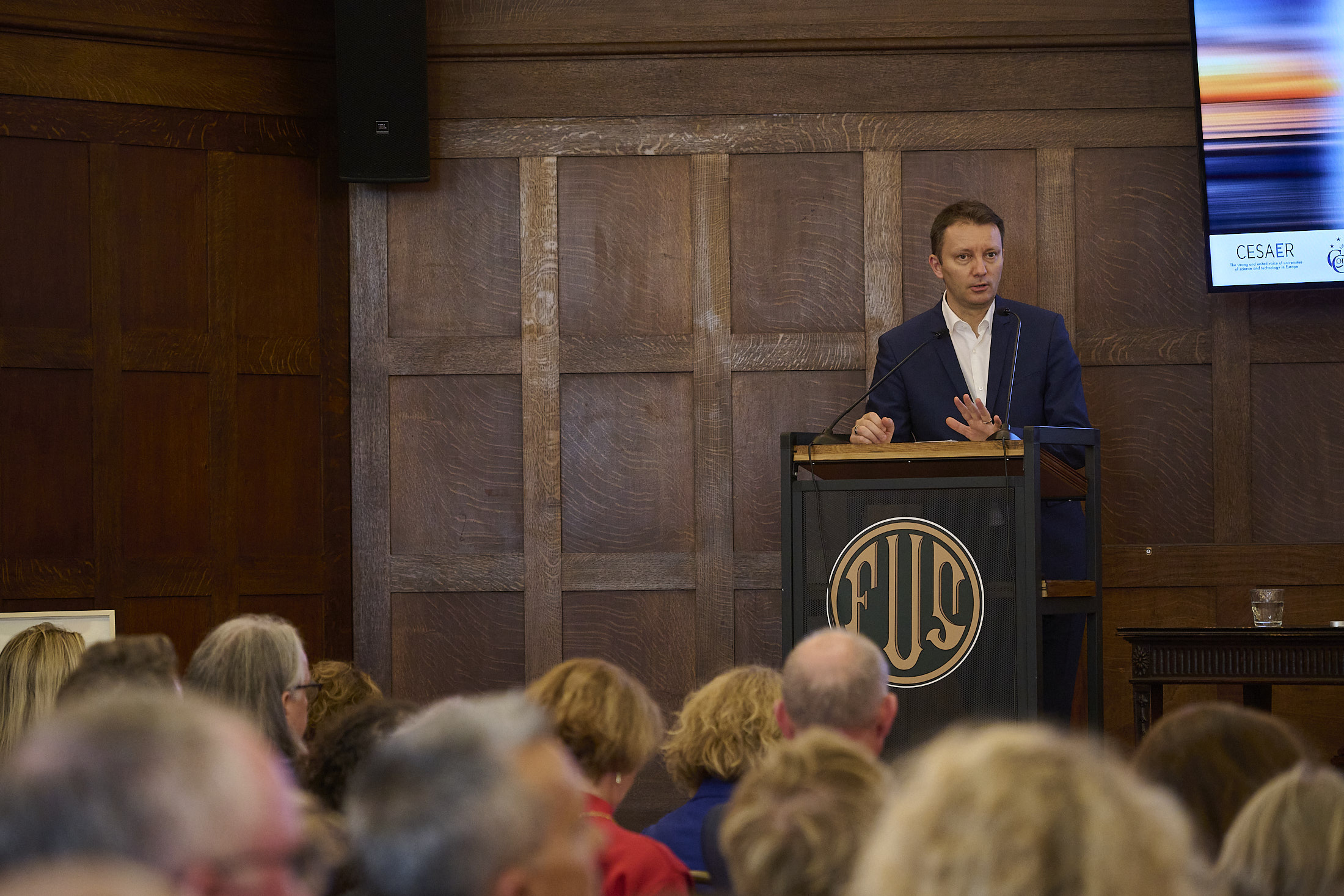
The event was also addressed by MEPs Eszter Lakos and Siegfried Mureșan. In her speech, Lakos drew attention to the importance of the upcoming FP10 Research and Innovation Framework Programme for reducing the gap between Europe and other countries in terms of innovation, while MEP Siegfried Mureșan pointed out that an ambitious EU budget would be required, supported by the Union’s own funds, if the goals of FP10 were to be achieved. He also highlighted the fact that research and innovation were key to efforts to strengthen competitiveness in all sectors, including agriculture.
Particular focus was placed on the role of universities in the European research and innovation arena. Professor Gregor Majdič, Rector of the University of Ljubljana and member of the EUA board, stressed that universities were the foundation of the entire knowledge-creation chain, from basic research to innovation and enterprise, and that the EU urgently needed to strengthen it and the links within it in particular. In Europe today, we have excellent science and a well-connected research area, but the same cannot be said of the innovation system, which needs urgent improvement. That said, basic science must remain autonomous and sufficiently well financed, as it is only from basic science that new world-changing discoveries emerge. “We must build bridges between basic science and innovation, but in doing so we must not weaken the foundations that basic science provides. Without strong basic science, we will lose the opportunity to resolve future challenges.”
Photo gallery
-

Author: Jérôme Hubert
-

Author: Jérôme Hubert
-

Eszter Lakos, Member of the European Parliament.
Author: Jérôme Hubert
-

Siegfried Mureșan, Member of the European Parliament.
Author: Jérôme Hubert
-

Fredrik Erixon, director at the European Centre for International Political Economy.
Author: Jérôme Hubert
-

Rianne Letschert, Dutch minister for education.
Author: Jérôme Hubert