Day of the Arts 2023
Event date:
Event location: Kongresni trg, 1000 Ljubljana
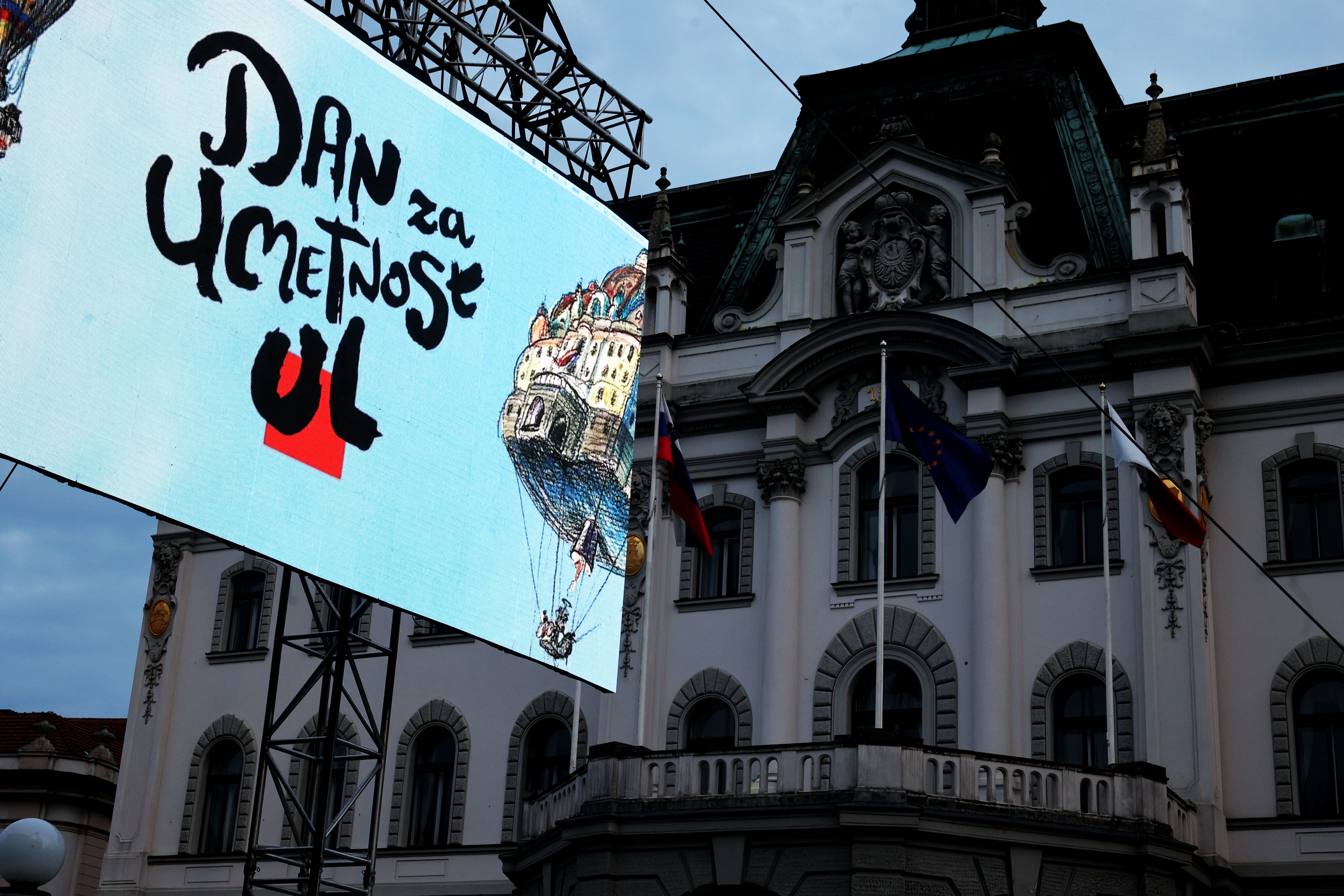
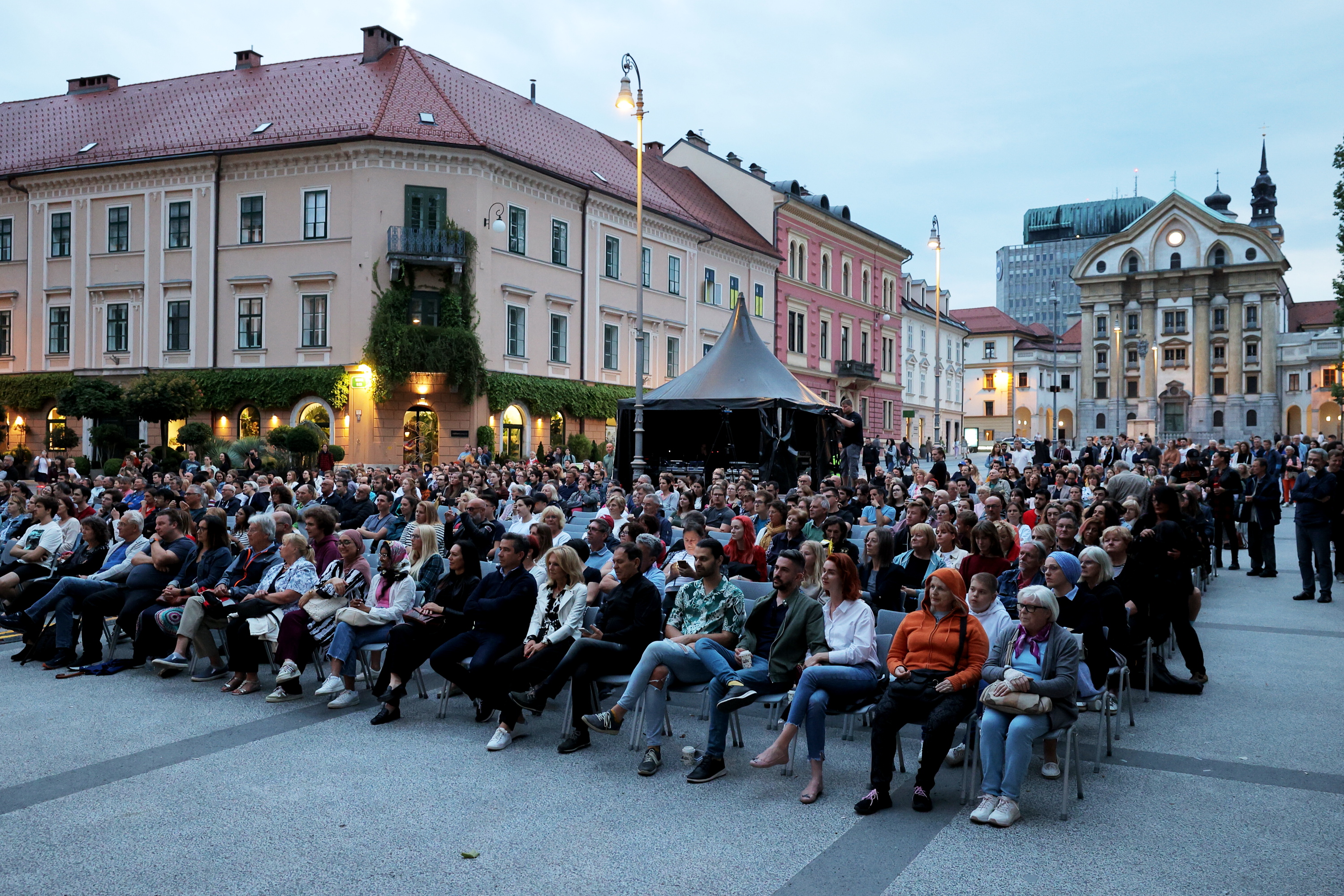
The University of Ljubljana organized the first Day of the Arts in 2023, taking an important step towards raising the visibility of the arts within the university and strengthening their presence in the wider public sphere. On this occasion, the University of Ljubljana Gallery was also officially opened, providing a new venue for presenting contemporary artistic, architectural and design production from the University of Ljubljana.
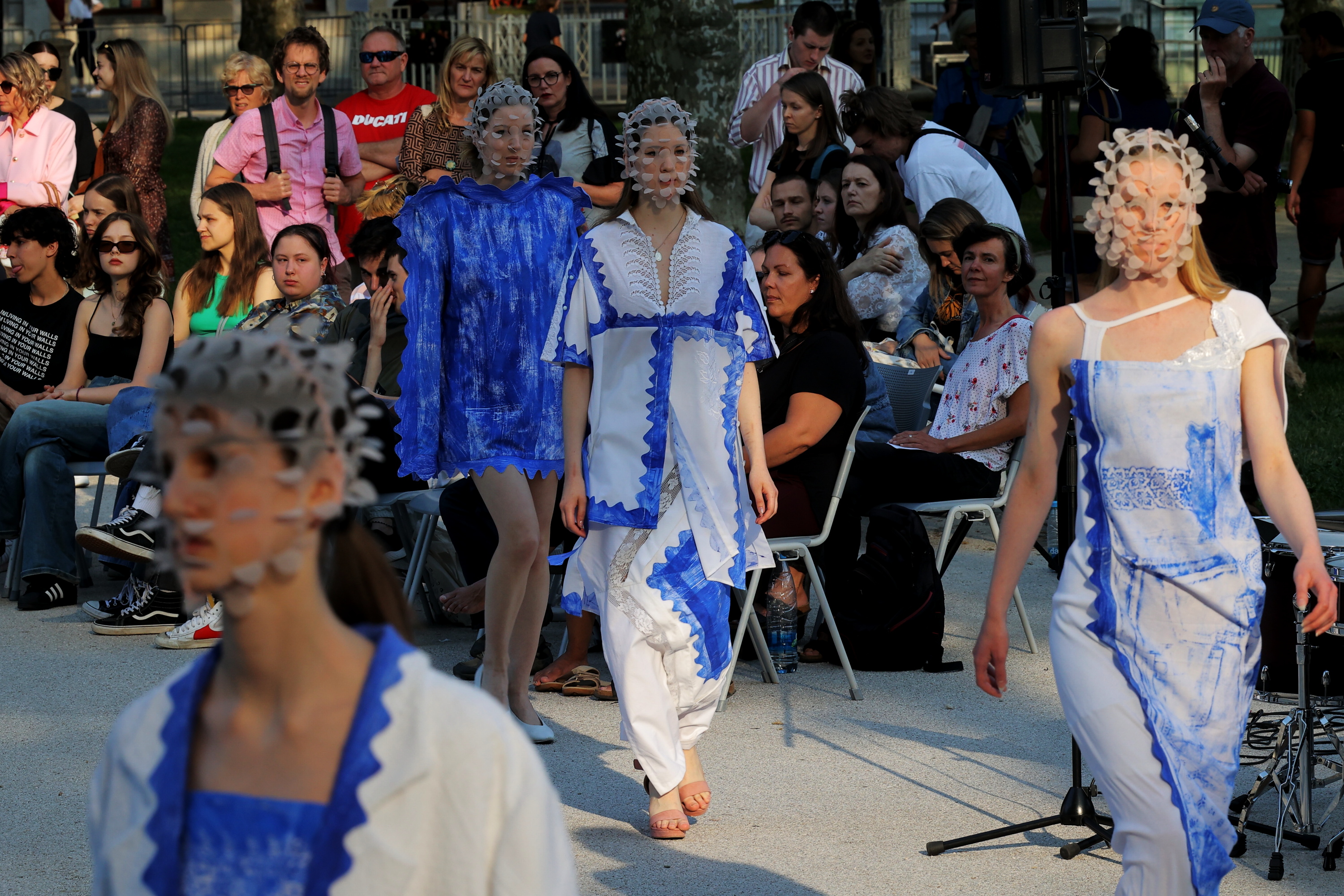
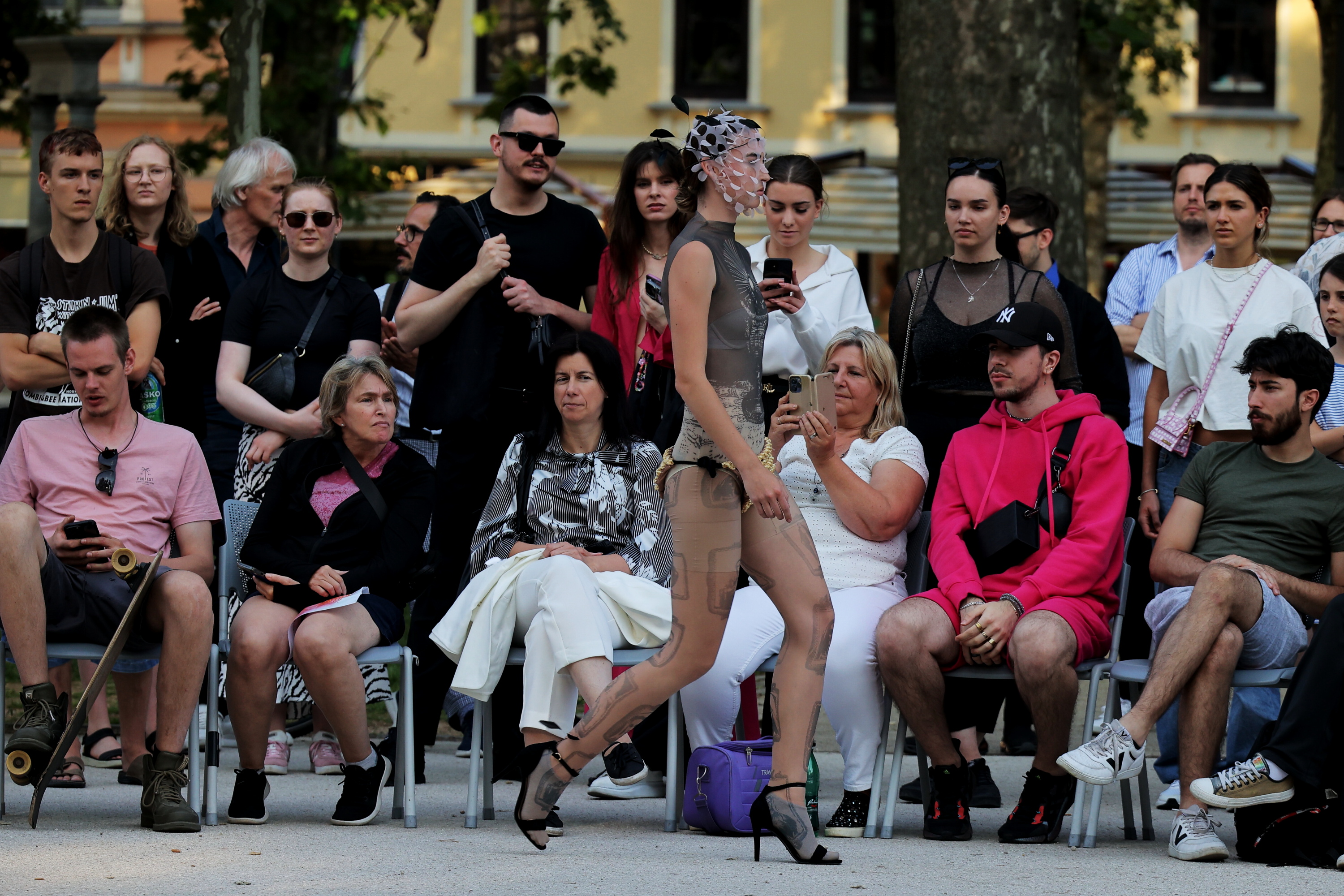
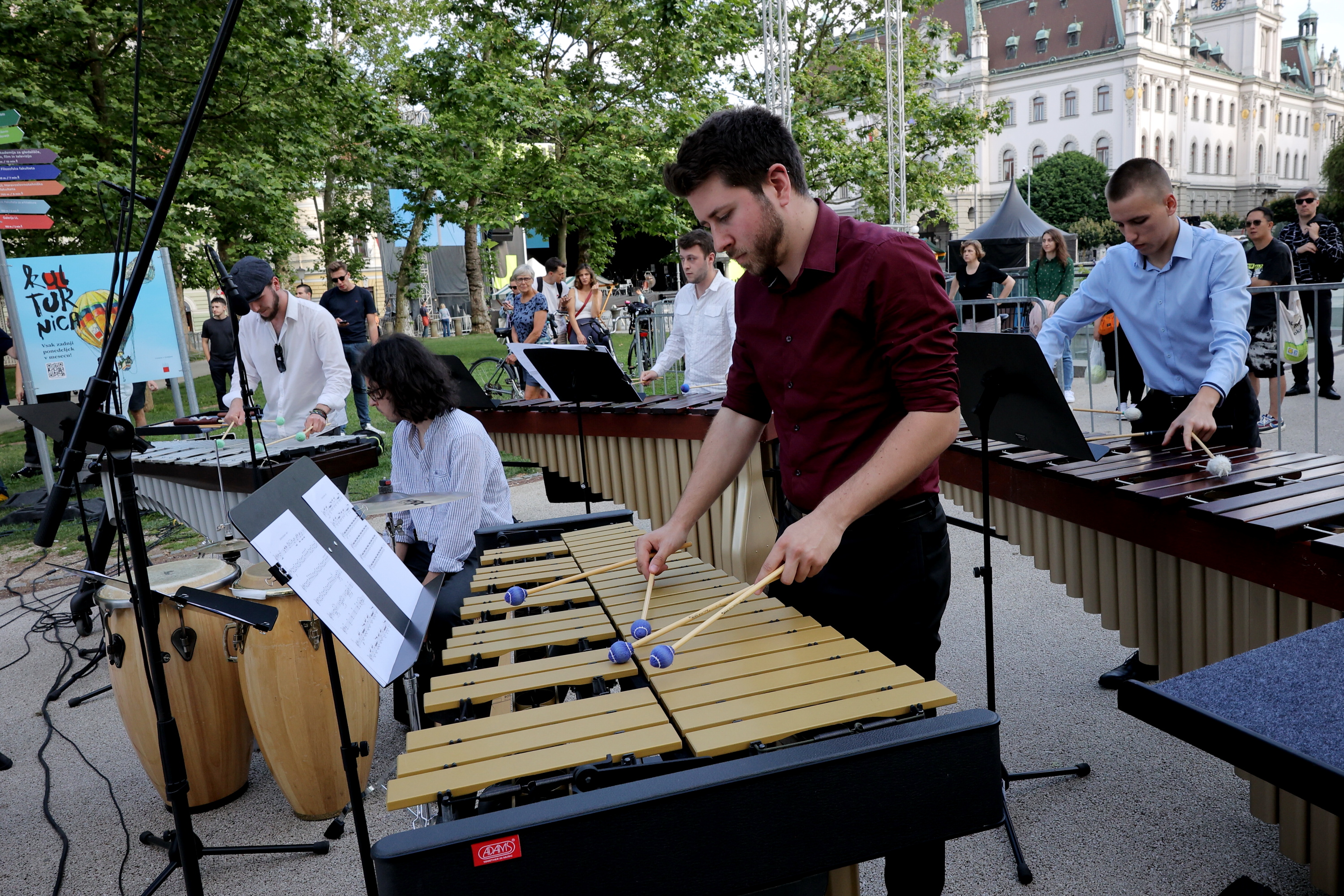
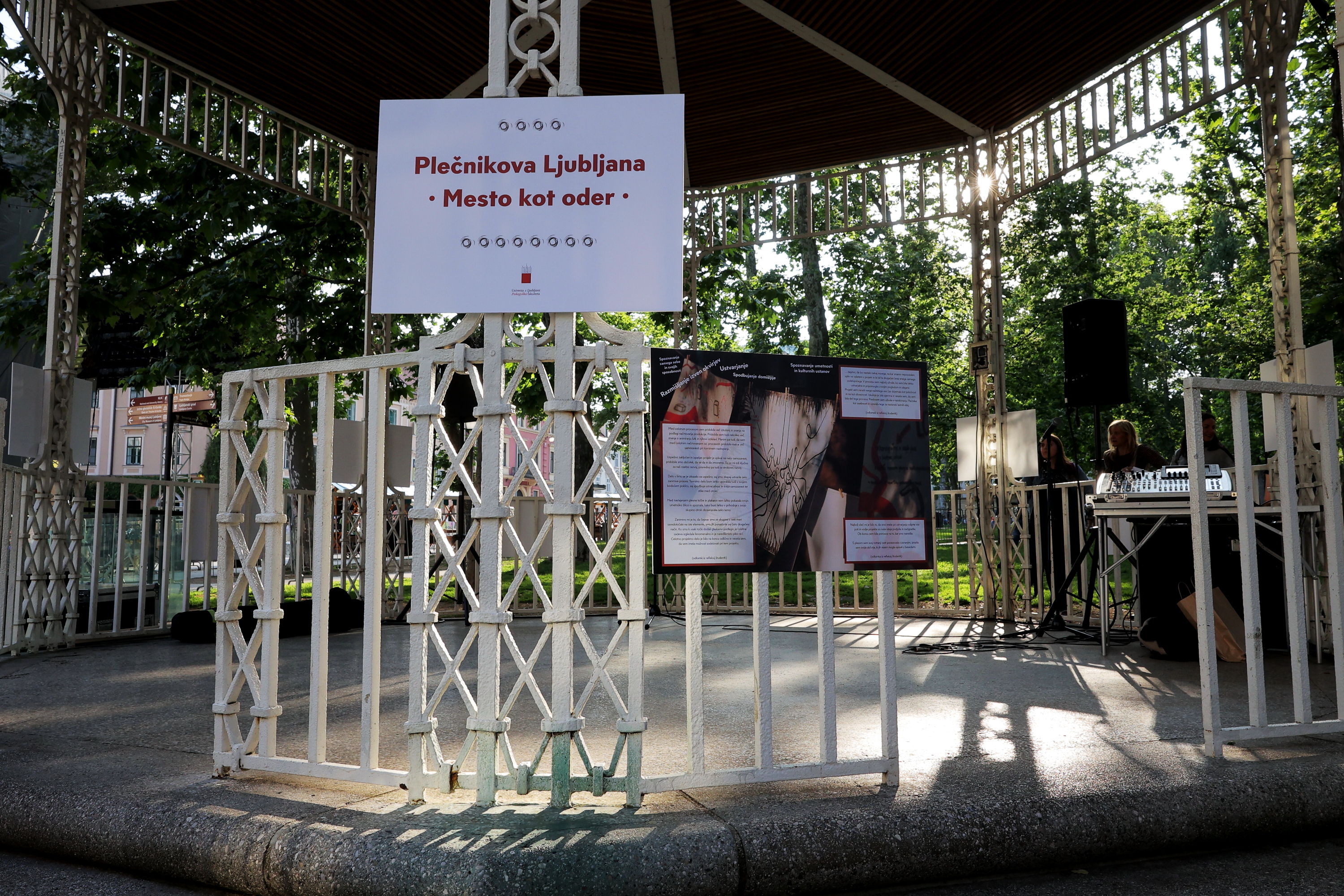
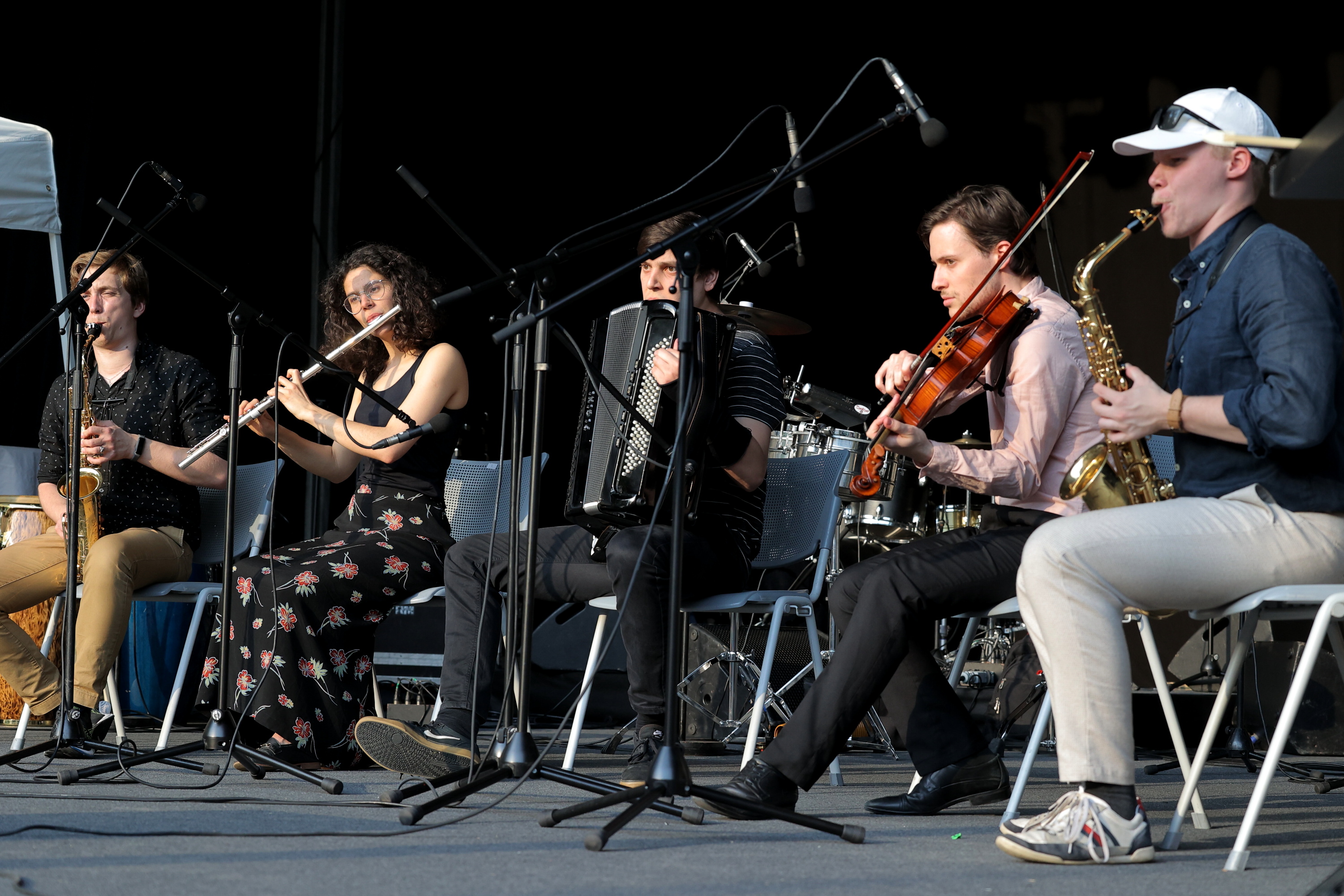
The programme brought together the artistic work of the ten members of the University of Ljubljana Arts Council. It included a presentation of the book Minezang by Mateja Gaber (Faculty of Arts UL), a puppet theatre performance (Faculty of Education UL), a fashion show with live improvised musical accompaniment (Faculty of Natural Sciences and Engineering UL and Academy of Music UL), as well as several exhibitions of visual artworks (Faculty of Architecture UL, Academy of Theatre, Radio, Film and Television UL, and Academy of Fine Arts and Design UL).
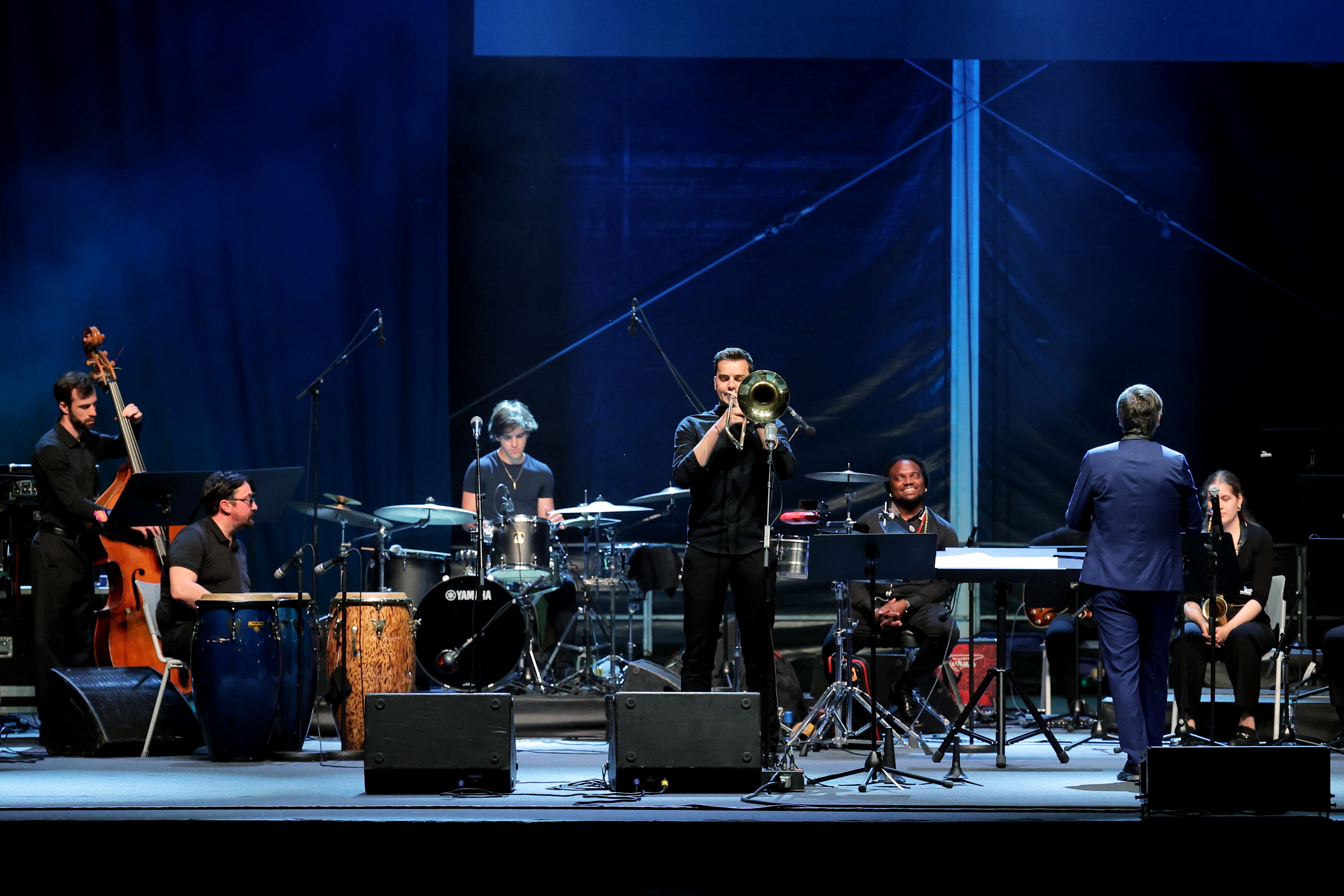
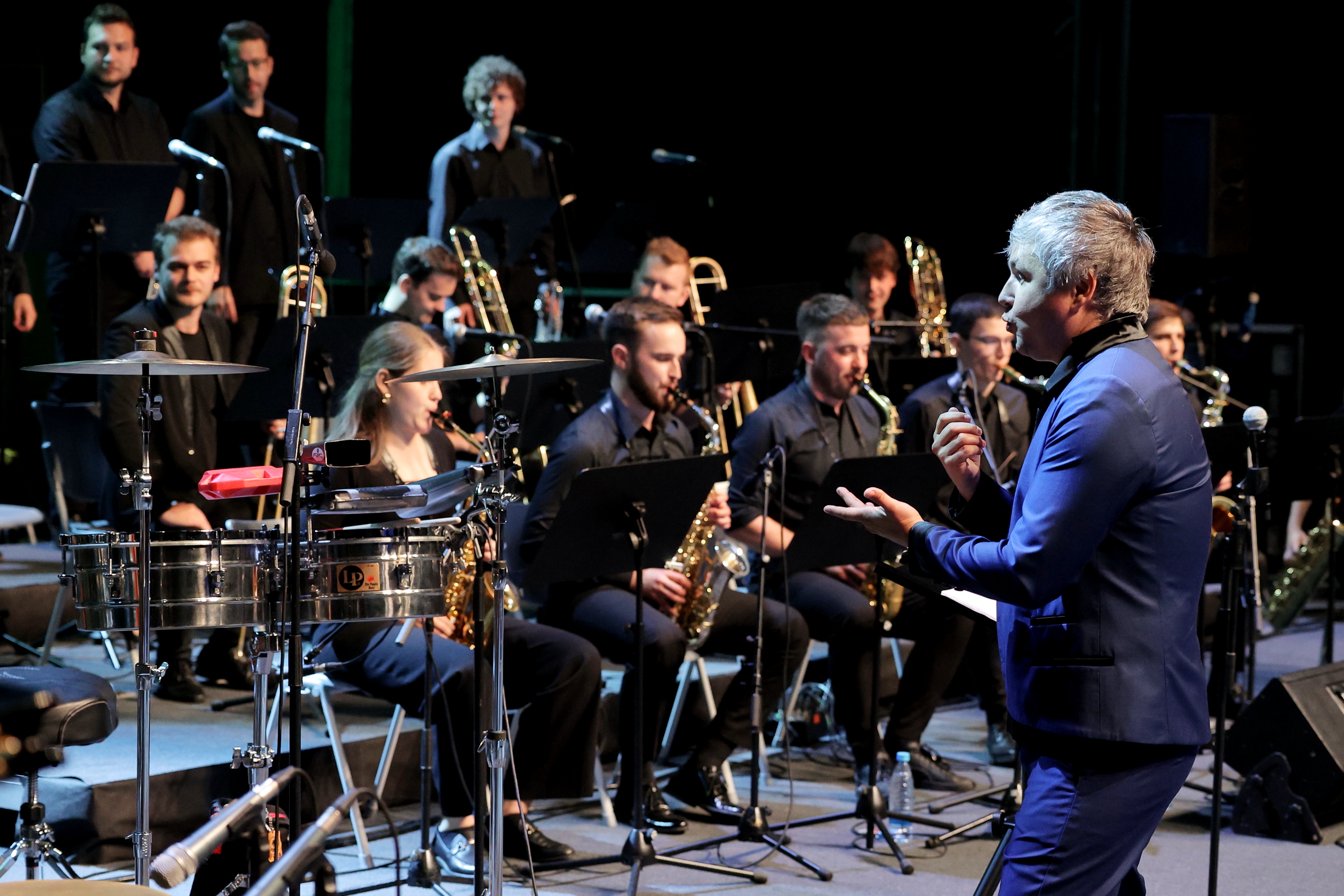
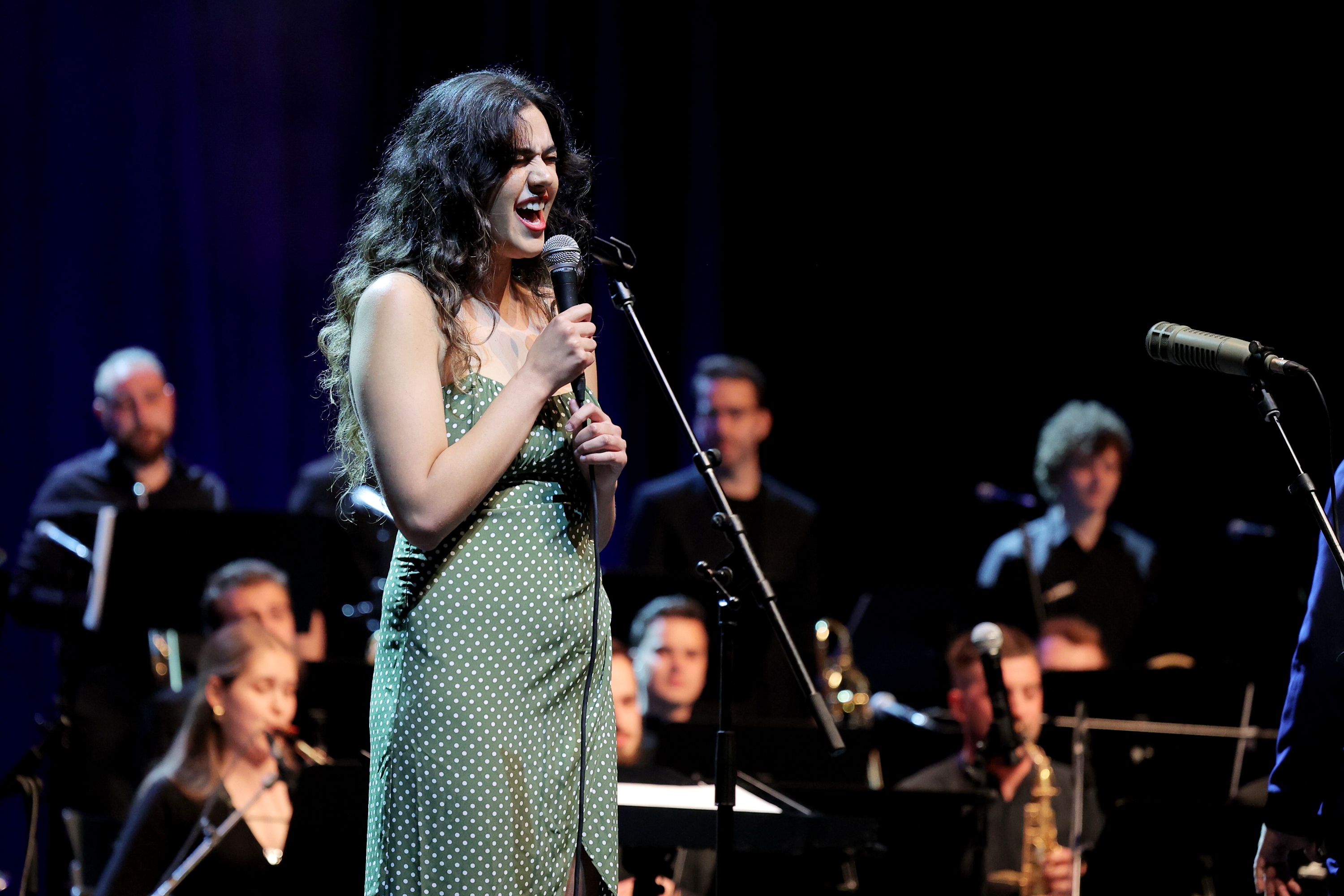
The programme also featured film screenings and video presentations accompanied by contemporary music (Biotechnical Faculty UL, Academy of Fine Arts and Design UL, Academy of Music UL, and Academy of Theatre, Radio, Film and Television UL), as well as a round-table discussion on cultural management (School of Economics and Business UL and Faculty of Social Sciences UL). The event concluded with a concert by the Big Band of the Academy of Music UL.
The Day of the Arts highlighted the importance of art as an integral part of society and emphasized the role of artistic and cultural activities within the university. At the same time, it opened up broader questions concerning the social and professional position of the arts, including working conditions and the position of cultural workers and students entering the field.
Photo gallery