
The Life Lynx Project Has Been Nominated for the LIFE Awards 2025
Matej Vranič
Date of publication:
The LIFE Lynx project, in which the Biotechnical Faculty and the Veterinary Faculty of the University of Ljubljana participated, has been nominated for the prestigious LIFE Award 2025. The award is given to the most effective, innovative, and inspiring projects within the LIFE programme.
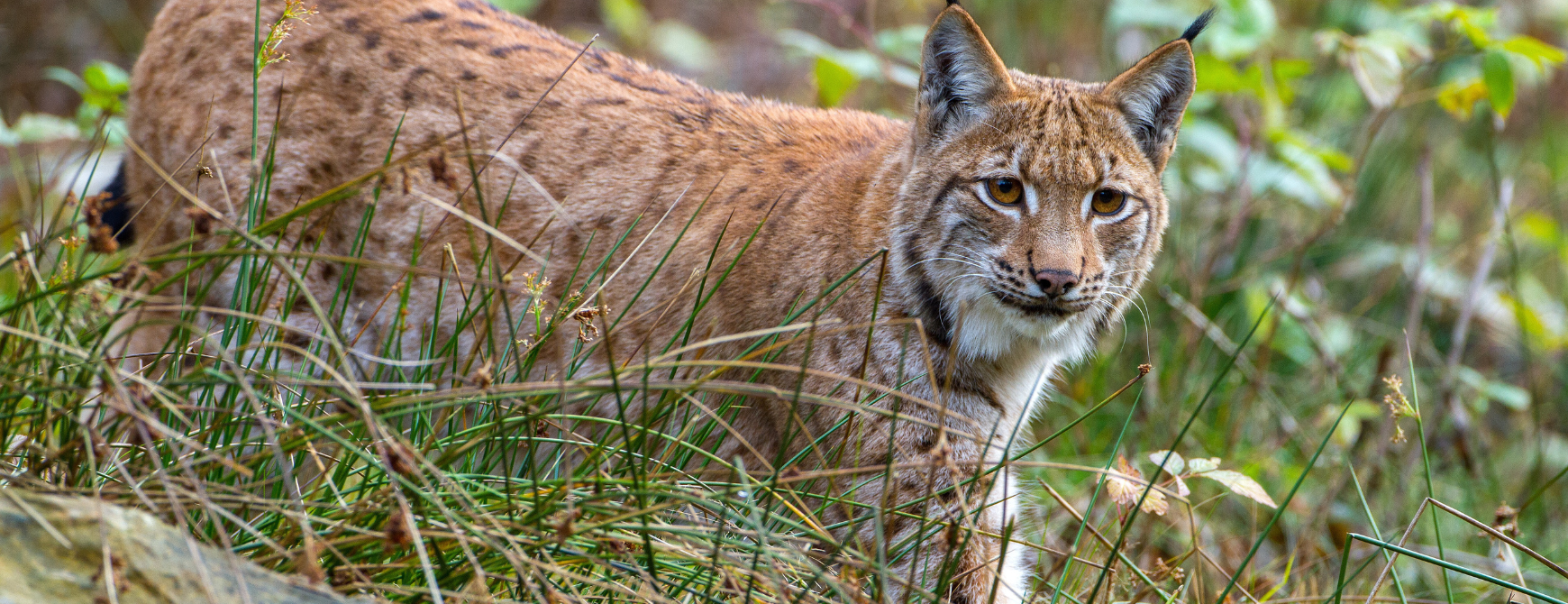
LIFE Lynx is one of nine projects that have been nominated. It is a project that brought together foresters, scientists, and conservationists from five European countries. The main goal of the project was to save lynx from re-extinction in the Dinaric Mountains and the southeastern Alps.
The main achievements of the project that convinced the nomination committee are:
- The reintroduction of 18 lynx to Slovenia and Croatia
- More than 30 offspring of the reintroduced lynx have been recorded, which is an encouraging sign for the future
- The establishment of a so-called “linking population” in the southeastern Alps, enabling the long-term survival of lynx in this area
- Active involvement of stakeholders, especially hunters, in preventing the re-extinction of lynx
Photo gallery
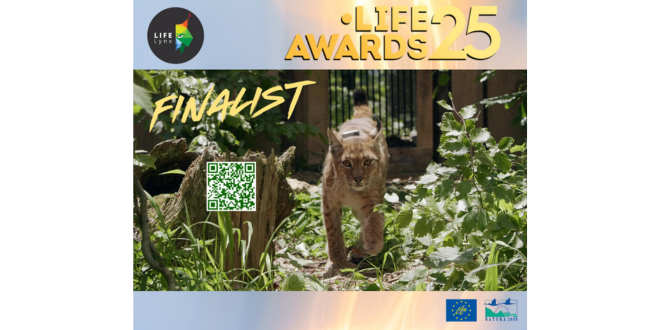
The awards will be presented in three categories: nature conservation and biodiversity, where LIFE Lynx has been nominated; circular economy and quality of life; and climate action. For the special LIFE Citizens’ Award, all residents of the European Union can also vote for the LIFE Lynx project. Voting is open until 3 June 2025 at 18:00 via the provided link. The winners of the LIFE Awards will be announced on 3 June at the ceremony held as part of Green Week, the largest European environmental event.
The lead partner of the LIFE Lynx project was the Slovenia Forest Service. Slovenian partners also included the Hunting Association of Slovenia and the Institute of the Republic of Slovenia for Nature Conservation. In total, 11 partners from five European countries (Slovenia, Croatia, Italy, Slovakia, and Romania) participated in the project. How they managed to restore the population and why the project is important can be read in the research news published at the end of the project.

