
Dr. Ivana Rapoš Božič Awarded MSCA Postdoctoral Fellowship for Research on Migrants’ Artistic Practices

Pexels
Date of publication:
Dr. Ivana Rapoš Božič has been awarded the prestigious Marie Skłodowska-Curie Postdoctoral Fellowship (MSCA) for her project PaReMAPs – Pathways to Recognition through Migrants’ Artistic Practices. She will be hosted by the Faculty of Arts, University of Ljubljana, where she will conduct the research under the supervision of Prof. Ksenija Vidmar Horvat and in collaboration with the research group Social Contract in the 21st Century, the APIS Institute, and the Slovene Ethnographic Museum. She will join the University of Ljubljana in September 2027.
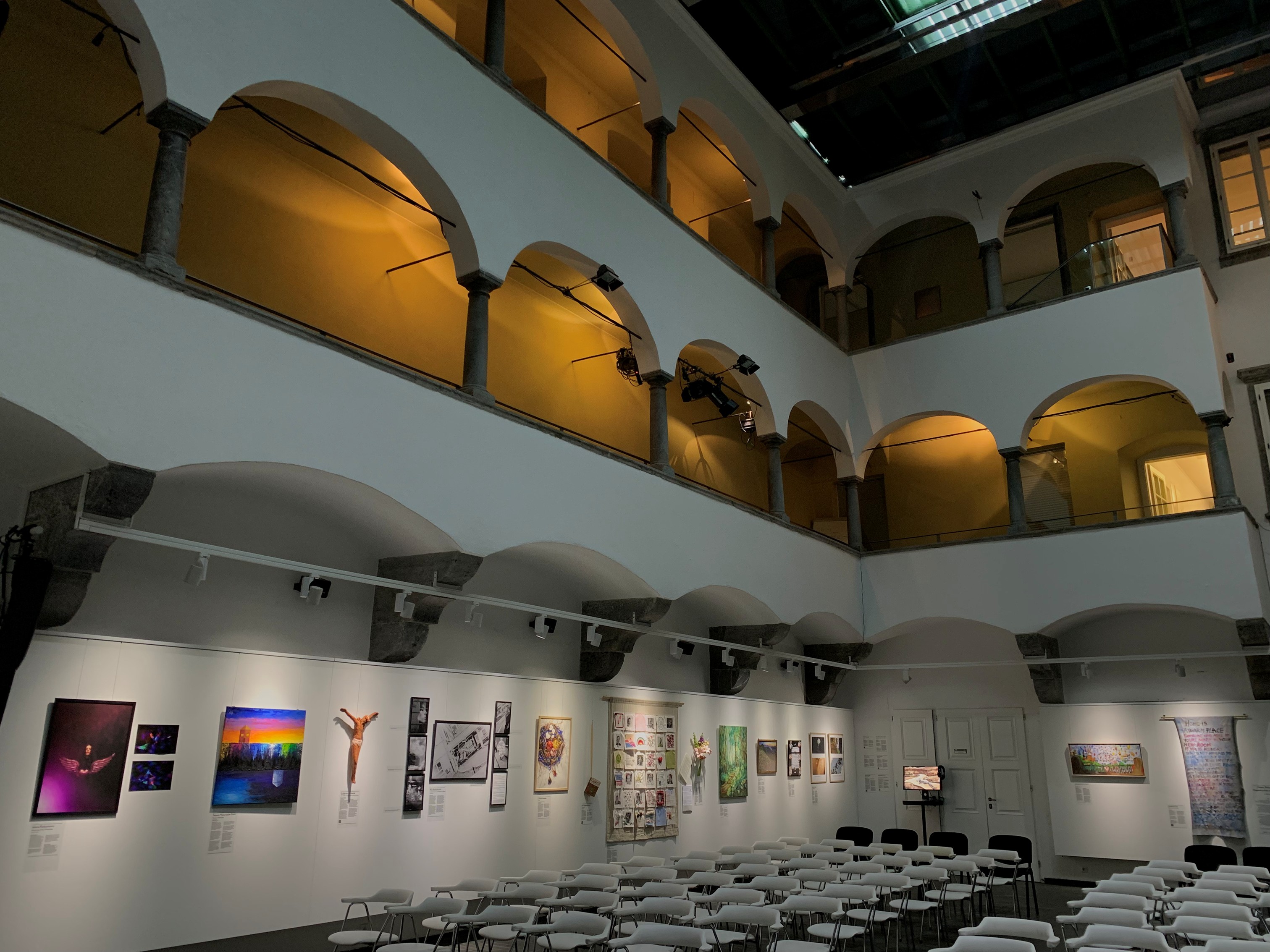
The PaReMAPs project explores how migrants use artistic practices—such as visual art, literature, and performance—to express their experiences, negotiate identities, and engage with wider publics. Through these creative forms, migrants can challenge stereotypes, raise new questions about ethnoracial diversity and belonging, and contribute to public conversations about migration.
Photo gallery

The research will focus on migrants from non-EU countries living in Slovenia. a relatively new immigration destination in Central Europe. Although the country has a long history of cultural diversity shaped by the legacies of the Austro-Hungarian Empire and Yugoslavia, migration has become increasingly politicized in recent years. In this context, questions of recognition and belonging have gained particular social and political relevance.
Photo gallery
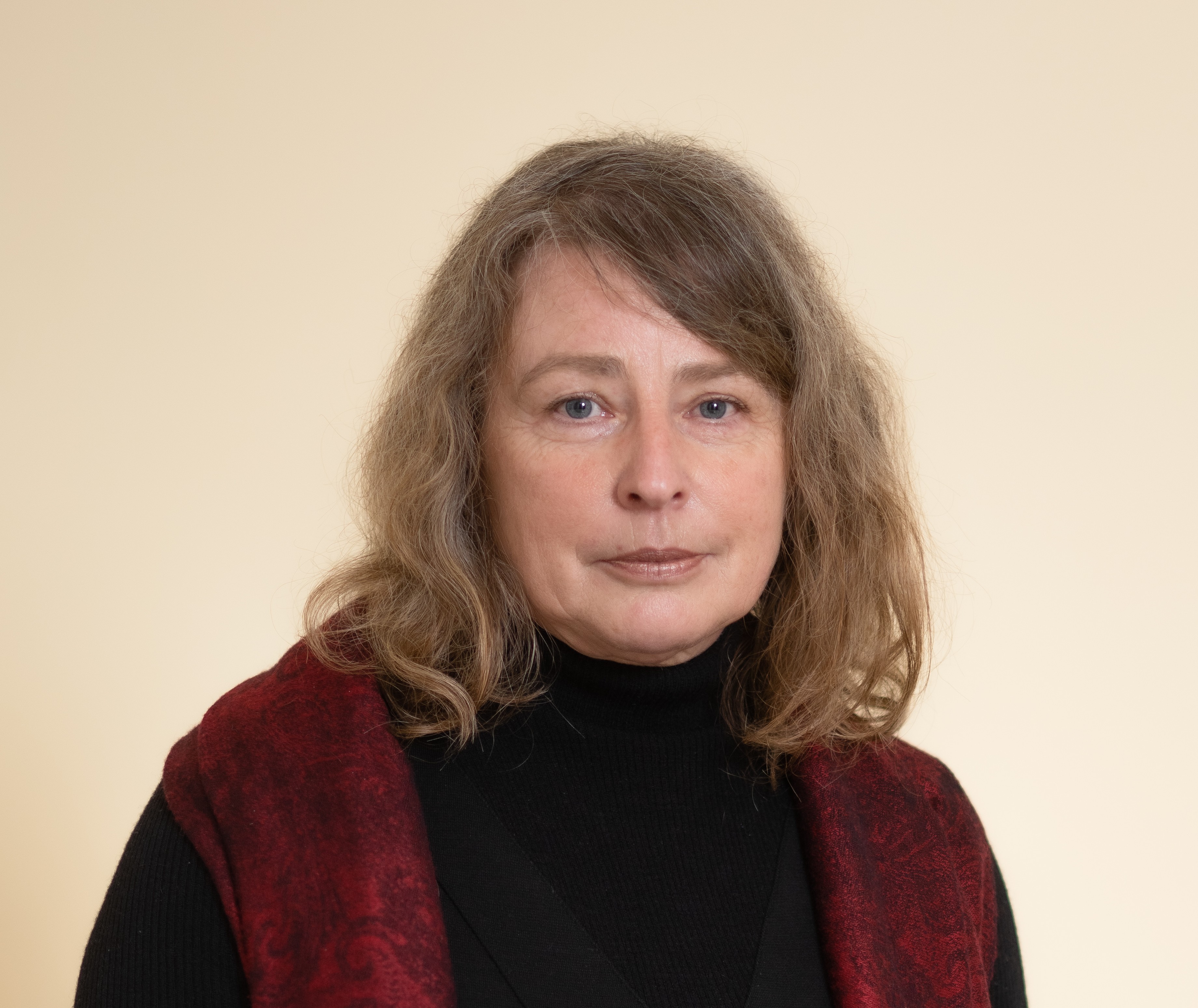
By studying migrants’ artistic practices, the project will examine three interconnected dimensions: migrants’ experiences of recognition and misrecognition, the ways they articulate claims for recognition through art, and how these artistic expressions are received and interpreted by different audiences.
Through this research, PaReMAPs aims to deepen understanding of the relationship between migration, art, and social justice, while contributing to more inclusive public conversations about migration in Slovenia and across Europe.
Photo gallery
Ivana Rapoš Božič currently works as a postdoctoral researcher at Masaryk University in Brno, Czechia, where she studies how migrants of different origins make sense of their position in Czech society and how they respond to instances of ethnoracial Othering. Her long-term research interests include migration, civic and political engagement, and negotiations about the boundaries of belonging in the context of Central Europe. More information about her research can be found at www.ivanaraposbozic.com.
Logos
The project is funded under the Marie Skłodowska-Curie Actions programme.
