
News
Customize list
-

The Queen of the Mountains Returns to Porezen
The Botanical Garden of the University of Ljubljana is saving a rare and endangered plant species – Eryngium alpinum, known as the Queen of the Mountains or alpine sea holly – with the help of seed banks.
-

UL Biotechnical Faculty establishes two centres for science and sustainable development
On 19 May 2025, the Biotechnical Faculty at the University of Ljubljana (UL BF) established two new specialised units: the One Health – Environment Centre and the Centre for Circular Bioeconomy. Their purpose is to strategically integrate knowledge and address key societal challenges.
-
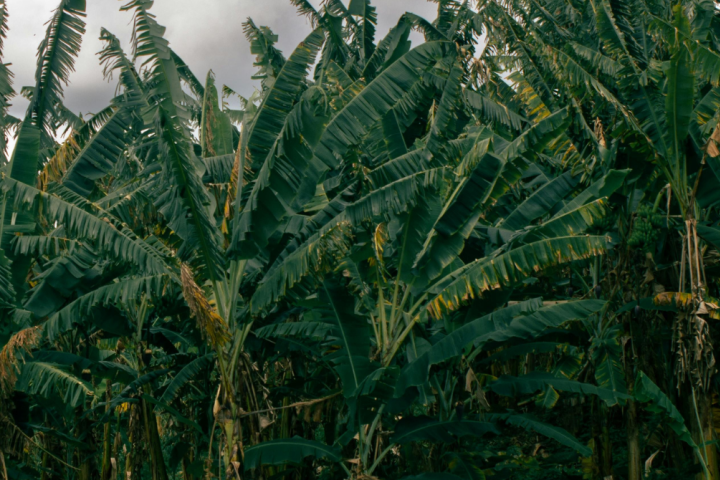
Climate Change Threatens the Future of Bananas
The cultivation of the world’s most popular fruit – bananas – is under threat from climate change, particularly due to tropical cyclones. Plantations in Southeast Asia and the Caribbean will be most affected, where production will face significantly greater risks – in the Caribbean, almost 50% more. This is revealed by an international study that included participation from the Biotechnical Faculty of the University of Ljubljana.
-
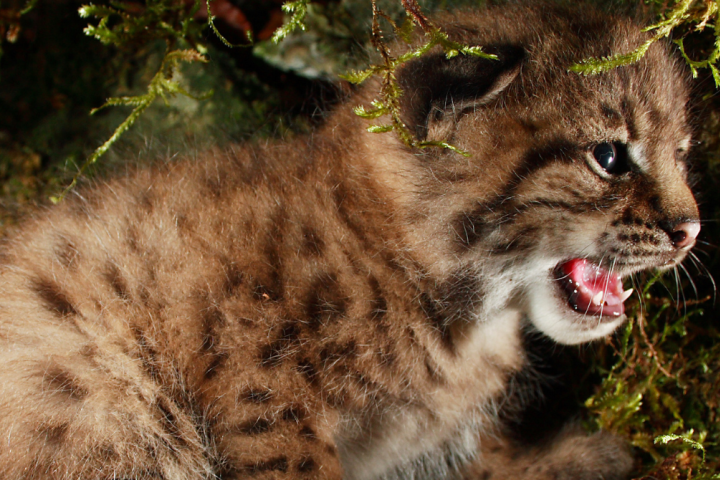
The LIFE Lynx project has won two prestigious awards
The LIFE Lynx project, in which the University of Ljubljana participated as a partner, received two prestigious LIFE 2025 awards. The expert jury declared it the best project in Europe in the category “Nature Conservation and Biodiversity,” and it was also chosen as the best by the audience.
-
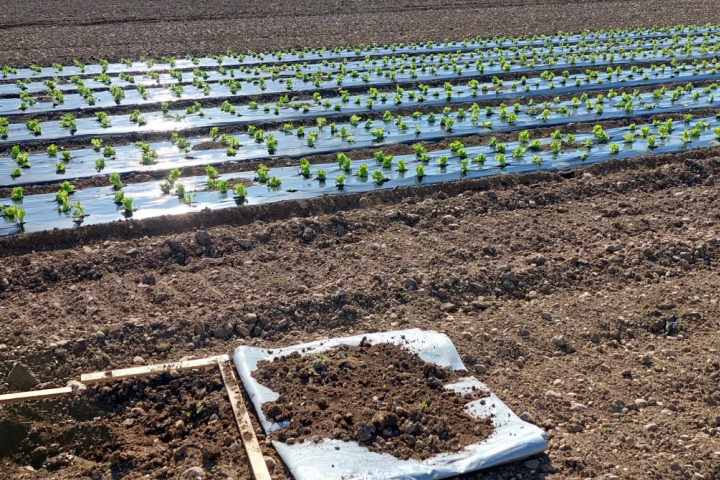
How Micro- and Nanoplastics (MNPs) Are Shaping European Agricultural Soils
Modern agriculture relies heavily on plastic products such as mulch films, greenhouses, and irrigation systems. However, a significant portion of this plastic ends up as micro- and nanoplastics in the soil. How does this affect ecosystems and food production across Europe? This is the central question addressed by the MINAGRIS project.
-

The Life Lynx Project Has Been Nominated for the LIFE Awards 2025
The LIFE Lynx project, in which the Biotechnical Faculty and the Veterinary Faculty of the University of Ljubljana participated, has been nominated for the prestigious LIFE Award 2025. The award is given to the most effective, innovative, and inspiring projects within the LIFE programme.
-
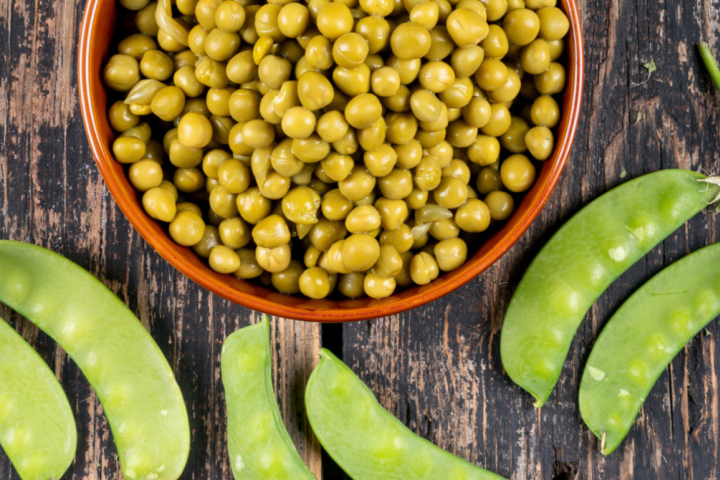
How to Enrich the Nutritional Value of Flour – Collaboration Between Slovenian Industry and Academia
Researchers from the Biotechnical Faculty and the Faculty of Chemistry and Chemical Technology at the University of Ljubljana have successfully developed a process for improving the nutritional value of pea flour through lactic acid fermentation. The interdisciplinary study, conducted in collaboration with a Slovenian food processing company goes beyond academic boundaries and presents a significant commercial value for the techonlogical application on an industrial scale.
-

How do snow leopards communicate among themselves and how can such knowledge help monitoring of these elusive cats?
Snow leopards use at least seven different behaviours for communication and most often leave scant messages in narrow gorges by scraping and urine marking. These are among the results of a new study by international team of researchers that took place in the Altai mountains of Mongolia and was led by Biotechnical Faculty from University of Ljubljana. New insights will be used to improve the efficiency of camera-trapping monitoring.
-
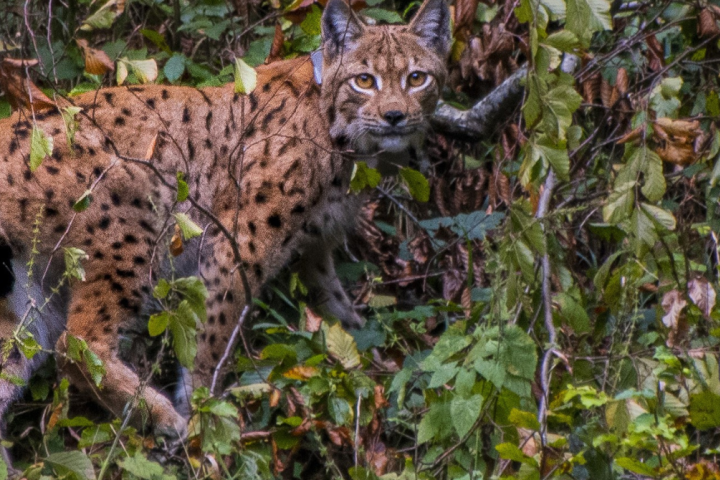
Life of lynx across Europe: insights from continental-scale research
Eurasian lynx are adaptable apex predators that can survive in a large variety of habitats – from Arctic tundra to Mediterranean forests. But only if people allow them. This was the focus of new continental-scale research co-led by researchers from the University of Ljubljana. Two studies published these days provide new insights into lynx foraging behaviour and mortality patterns.
-

Biotechnical Faculty UL Secures up to 2.5 Million in European Funding for the ERA Chair - Foodomics Project
The Biotechnical Faculty of the University of Ljubljana (UL BF) has successfully obtained 2.5 million euros through the Horizon Europe research and innovation program for the ERA Chair project titled "Chair of Metabolomics in Food and Nutrition (Foodomics)." This project will establish a new interdisciplinary Center for Metabolomics.
-
LIFE Lynx project - preventing the extinction of the lynx in the Dinaric Mountains and the South-Eastern Alps
How to save the Eurasian lynx population in the Dinarides and the South-Eastern Alps from extinction again? This is the challenge that the LIFE Lynx project, in which the Biotechnical Faculty of UL participated as a partner, has successfully tackled. Before the start of the project, there were 20 adult lynx in Slovenia, which were threatened by inbreeding. A total of 14 animals were introduced from the Romanian and Slovakian Carpatian Mountains, 9 of them in Slovenia and 5 in the Croatian Dinaric Mountains. This not only saved the population, but also set an example of good practice for all future attempts to reintroduce lynx or similar large carnivore species in Europe.
-

Transforming food waste into sustainable soil improvers
Food waste is a major challenge of modern times. How to reduce it and use it usefully? This challenge will be faced by the partners on the Waste4Soil project. The living laboratories will look for new technological solutions and products to reduce the amount of food waste by recycling it into soil improvers and biostimulants.
-

LANDLABS - Landscape Laboratories: Design Strategies for Sustainable and Beautiful Landscapes of the Anthropocene
How can landfills, mining areas or transportation infrastructure corridors that are part of our urban landscape be transformed into sustainable and beautiful places? How can we create a coexistence between humans, animals, plants, water, soil and technical elements in these areas? These are the questions addressed by LANDLABS, a doctoral research project in the field of landscape planning and design, which was successfully funded in April 2024 as part of the call for Marie Sklodowska-Curie Doctoral Networks.
-
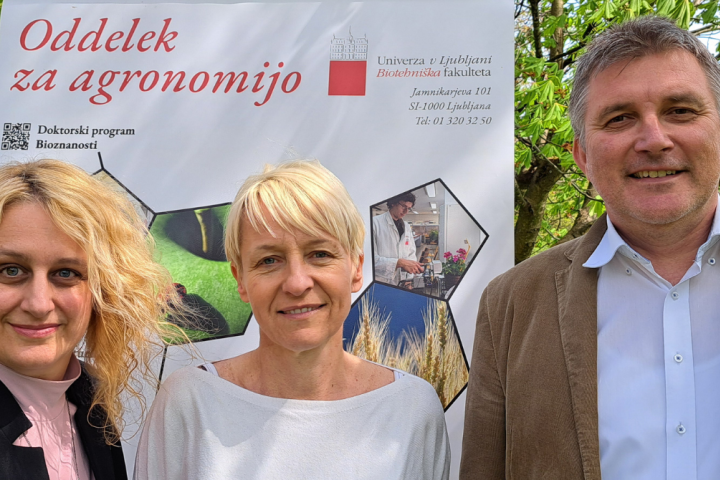
BF UL recipient of the MSCA Doctoral Network Project
The Biotechnical Faculty of the University of Ljubljana is the recipient of the prestigious Marie Skłodowska-Curie Actions Doctoral Network Project. The Department of Agronomy at BF UL will coordinate the project titled ViroiDoc - Advanced Research on Viroid Pathogenesis and Control for Sustainable Agriculture, worth 2.5 million euros, over the next four years. The project is led by Prof. Nataša Štajner, Asist. Prof. Sabina Berne and Prof. Jernej Jakše.
-

How do wild animals react to human presence in their environment?
Understanding how animals respond to people is becoming increasingly important in the face of growing disturbances such as tourism, recreation, driving in natural environment and the exploitation of natural resources. To this end, researchers from around the world have pooled their data to find out how wild animals respond to people in their environments. The results showed considerable differences among different species, with large carnivores proving to be the most sensitive to humans. Part of the research was also carried out in Slovenia, where researchers from the University of Ljubljana’s Biotechnical Faculty and the Slovenia Forest Service observed the strongest response in brown bears. The researchers hope that the new knowledge will facilitate coexistence between humans and animals, and enable more effective mitigation of the negative impact of recreation and other human activities in nature.
-

Researchers from UL unexpectedly discovered new way of foraging by spotted hyenas in Africa
Spotted hyenas are the second largest species of large carnivore in Africa. Most people know them as scavengers, but they are in fact also successful hunters of antelope, zebra and other African ungulates. Little is known about their feeding on smaller prey. In Namibia, researchers from the University of Ljubljana have discovered an unusual and hitherto unknown way of feeding the local hyenas - on songbirds.
-

Dr. Nina Vesel recieved prestigious EMBO Postdostoral Fellowship
Dr Nina Vesel of the University of Ljubljana Biotechnical Faculty is the recipient of a prestigious Postdoctoral Fellowship from EMBO (European Molecular Biology Organization), aimed at supporting the mobility of postdoctoral researchers in Europe and around the world. This is a major success both for the researcher and for the UL Biotechnical Faculty, which succeeded in attracting back this outstanding researcher.
-

Biotechnical Faculty and partners free up potential European rural areas for transition to circular bioeconomy
Based at the Biotechnical Faculty of the University of Ljubljana, a new Horizon Europe coordination and support project is underway to develop a working framework for introducing circular small-scale bio-based solutions in rural areas. Assoc. Prof. Dr Luka Juvančič, head of the project at the Biotechnical Faculty in the Chair for Agrarian Economics, Policy Law of the Animal Science Department, explains: “The aim of the BioRural project is to address economic, demographic and climate challenges for the most remote rural communities, through the presentation of circular technological and organisational solutions in various fields of bioeconomy (agricultural and food systems, the forest-wood chain, water systems, bioenergy, biomaterials).” He pointed out that European rural areas should not just succumb to the role of a source of raw materials for the bioeconomy, but should strengthen local value chains that will contribute to increased income and new rural employment.
-

A controlled experiment tests the effectiveness of knowledge transfer in Slovenian agriculture for the first time
With agriculture accounting for around 10% of greenhouse gas emissions in the European Union, and with cattle farming contributing the largest share, there is an urgent need to increase the uptake of low-emission farming practices in this sector. Education and good advisory support play an important role in promoting such changes, enabling farmers to acquire new knowledge and change their attitudes towards this issue.
-
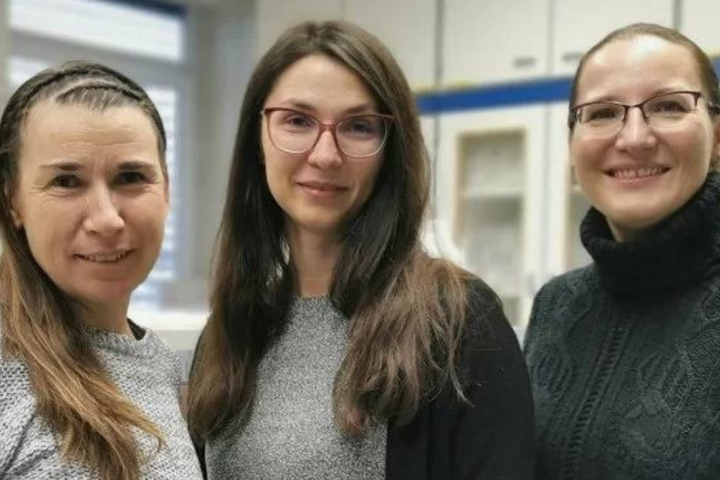
SIMBA innovation in the fight against superbacteria
Innovation offers faster and cheaper solution in finding new active substances in the fight against superbacteria
The growing phenomenon of superbacteria, as we call bacteria that are resistant to multiple antibiotics, is a global health problem. The problem is exacerbated by the merging of bacteria in biofilms, which offers them protection and survival in very harsh conditions and facilitates the transmission of resistance. For this very reason the global development of new antibiotics is focused on their effects on other properties of the bacteria, such as attaching bacteria to the surface, movement or interaction between bacteria, and not just on survival. The new orientation of development urgently requires a new methodology.


