
Recyclable Flame Retardant Fibres
Areas
Materials
Fields of use
Transport, Textile Industry, Construction
Current state of technology
Prototype
Intellectual property
Patent granted: EP3587471B1, ES2928899T3, patent pending: CN112368318A
Developed by
University of Ljubljana, Faculty of Natural Sciences and Engineering, National Institute of Chemistry
Reference
821-11/2018
Contact
Phone: +386 1 24 18 533
E-mail: gospodarstvo@uni-lj.si
Download PDF
- TO-Flame-Retardant-Fibres_EN.pdf (pdf, 806 KB)
Background
The demand for durable, fire retardant and cheaper technical textile is growing, especially in public buildings and transportation industry. Regulatory systems are constantly changing towards higher protection and decreased usage of harmful substances. Currently available fire retardant materials have different levels of toxicity, different level of durability and effectivity.
Description of invention
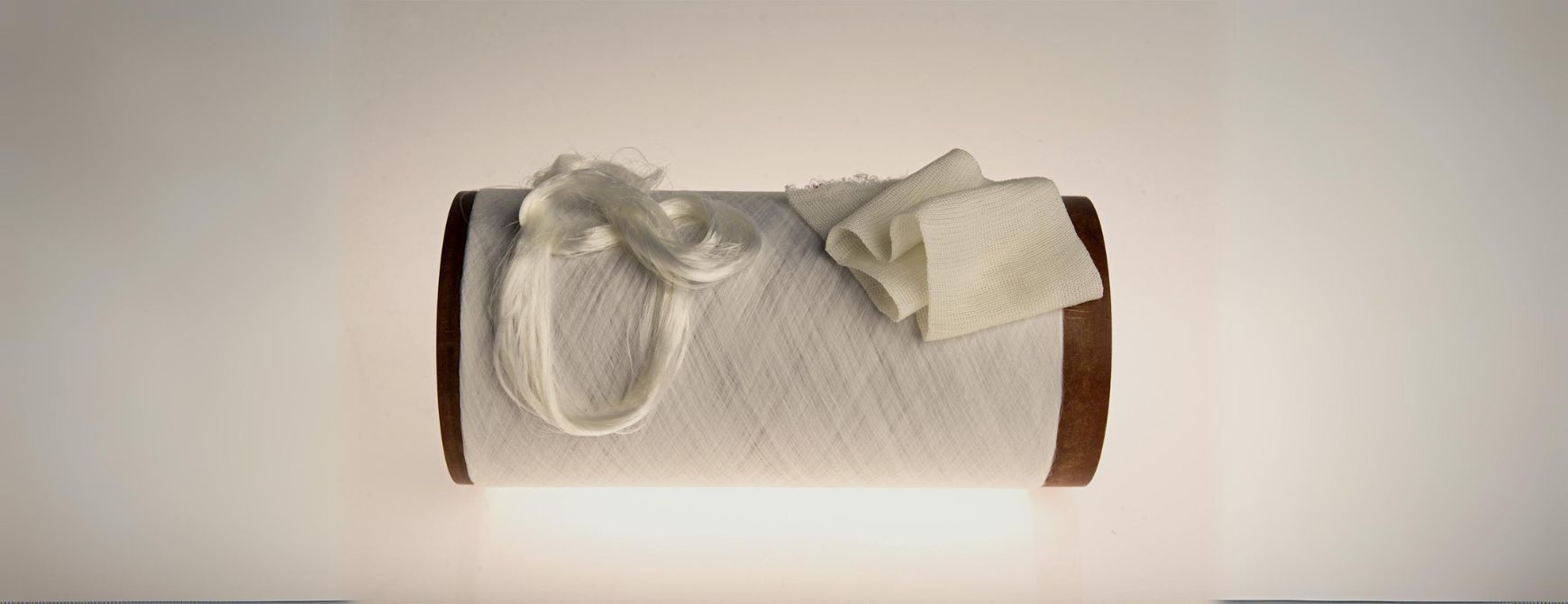
The invention relates to the preparation of polyamide 6 based on modified caprolactam with various molecules containing phosphorus and nitrogen atoms in the structure. The fire retardancy is achieved in the basic structure, it is incorporated into the material and not in the form of coating on pre-existing material. As such, it is more effective and suitable for the preparation of plastics, fireproof woven fabrics and non-woven textiles.
Main advantages
Cheaper production and faster production time of fibres. Better mechanical characteristics of final products. Unified protection through whole surface. Recyclable.