
Marko Bošnjak
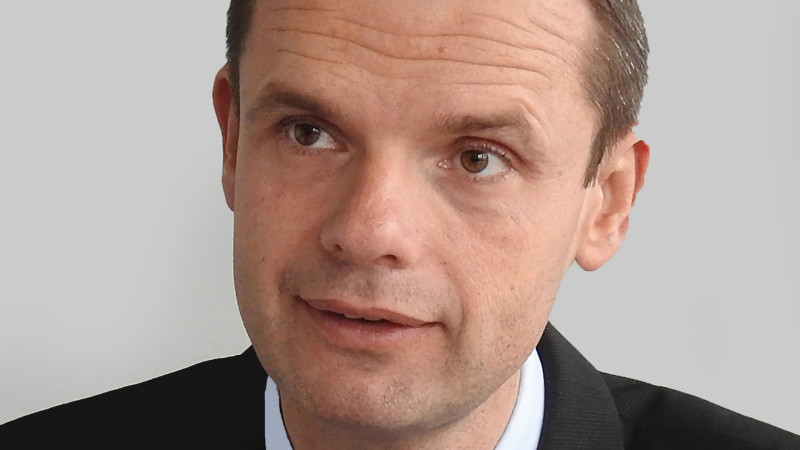
Alumnus of the Faculty of Law at the University of Ljubljana. Until May 2025 he was Slovenian judge at the European Court of Human Rights in Strasbourg. Works in the fields of criminal, constitutional and international law.
His previous experience covers work at the Institute for Criminology, where he was an adviser to the Constitutional Court in highly complex criminal cases, Associate Professor of Criminal Law at the European Law Faculty in Nova Gorica and from 2008 he has been an attorney at the Čeferin law firm. During his successful career Dr Bošnjak managed to write several monographs and articles published both at home and abroad. He has headed up several international and Slovenian research projects and has lectured at various faculties and expert meetings.
Dr Marko Bošnjak graduated from the Faculty of Law of the University of Ljubljana with a thesis on the Criminological aspects of blockages in criminal procedures. He succeeded in completing this extremely quickly, in his fourth year, since before his studies ended he had the opportunity to work under Prof. Dr Alenka Šelih. Three years after he graduated, he gained his master’s degree and then began doctoral studies, which he successfully completed in 2002. Owing to its universal theme, he wrote his doctoral thesis, the Development of modern biomedicine and criminal law, while on a study visit at the University of Poitiers in France.