About Slovenia and Ljubljana
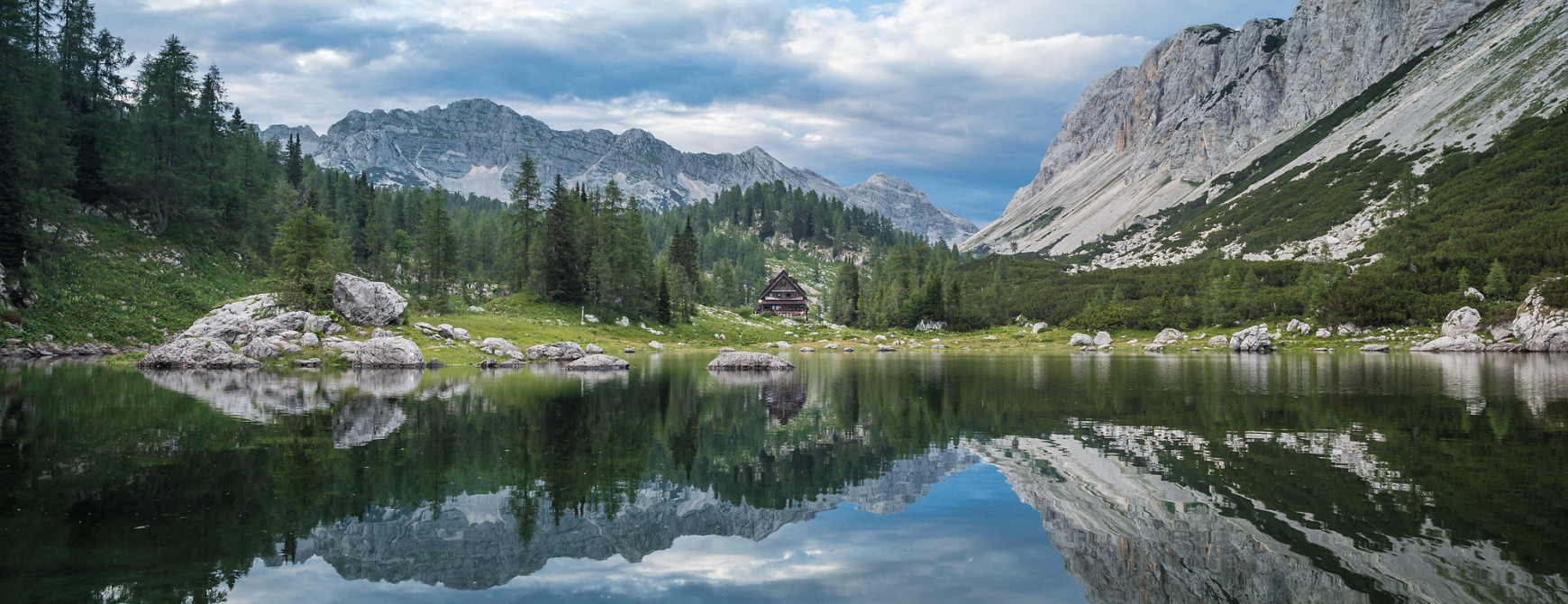
I feel Slovenia
Slovenia, officially the Republic of Slovenia, is a state in Central Europe at the crossroads of main European cultural and trade routes. It si a full member of the European Union since 2004. It is a sustainable destination of unique experiences.
Quick overview of Slovenia
- Population: 2 million
- Area: 20,273 km2
- Capital: Ljubljana
- Official language: Slovenian
- Currency: Euro
- Political system: Democratic Republic
- Highest peak: Triglav (2864 m)
- Coast: Adriatic Sea (47 km of coastline)
- Nature: the third most forested country in Europe
- Located in Central Europe, borders Italy, Austria, Croatia and Hungary
- Home to the oldest grape vine in the world (all vineyards cover 21,600 ha)
- Over 8.000 currently known karstic caves and pits, including the Škocjan Caves which have been included in the UNESCO list of natural world heritage
- Home to numerous top athletes (Tina Maze, Goran Dragić, Anže Kopitar), artists, musicians and composers (Slavko Avsenik, the author of the most frequently played instrumental composition in the world "Na Golici")
- Member of the European Union since 2004
- Slovenia is the only country in the world with "love" in its name
Photo gallery
-
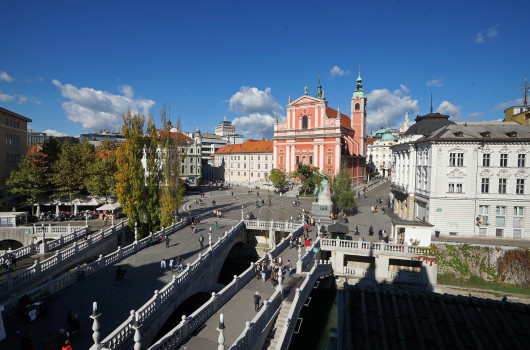
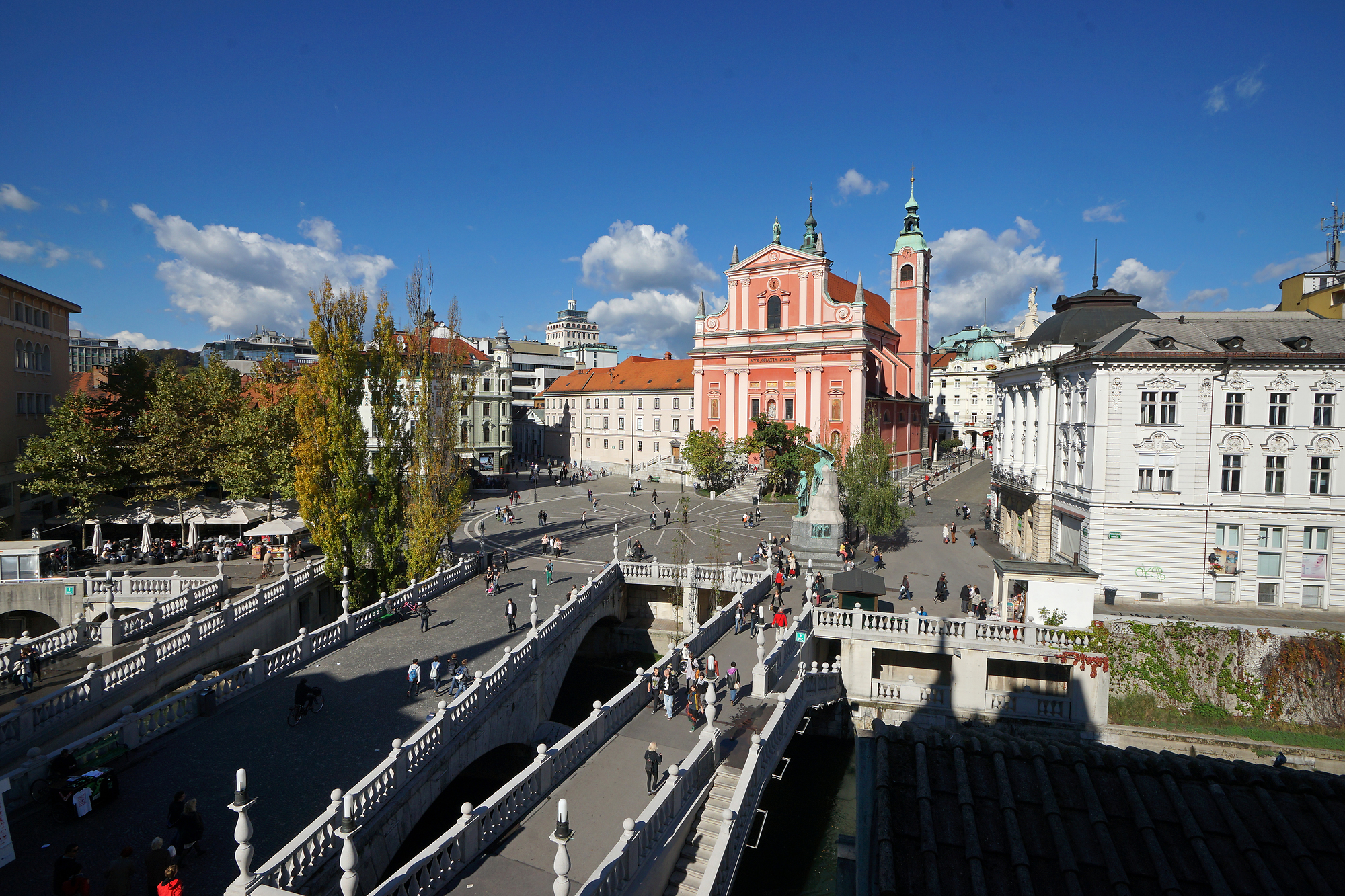
Prešeren Square in Ljubljana.
Author: I feel Slovenia
-
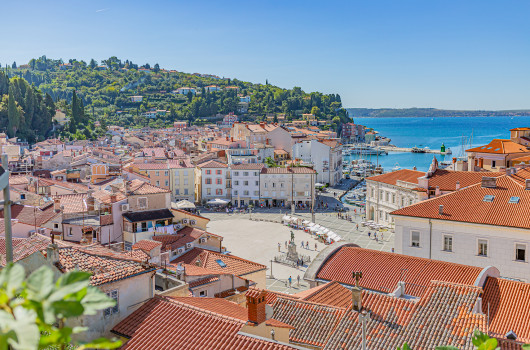
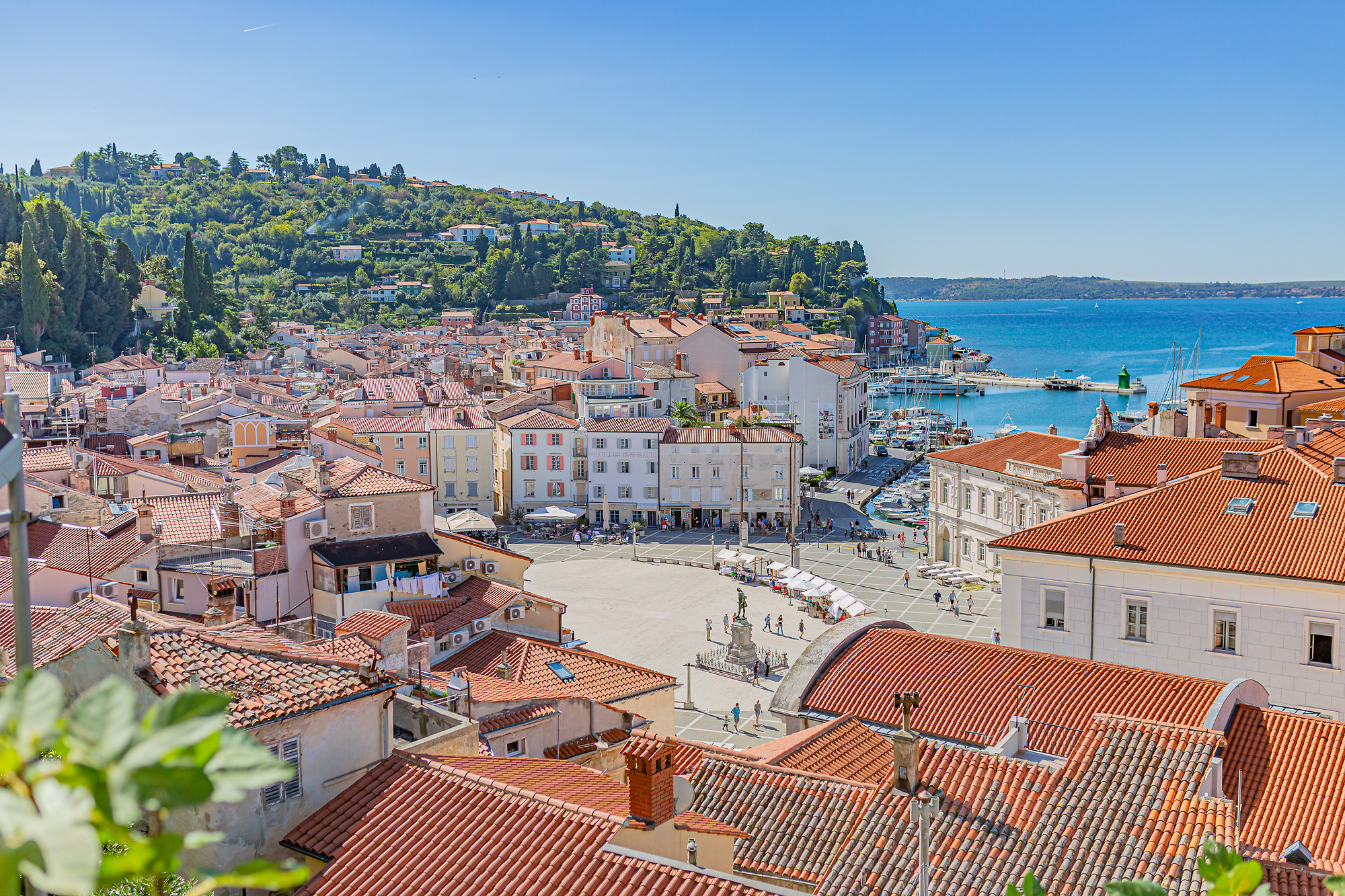
Piran, one of the coastal cities.
Author: I feel Slovenia
-
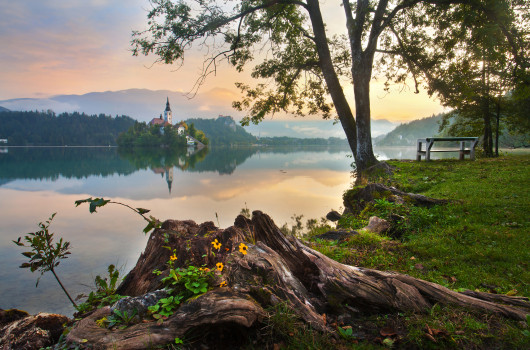
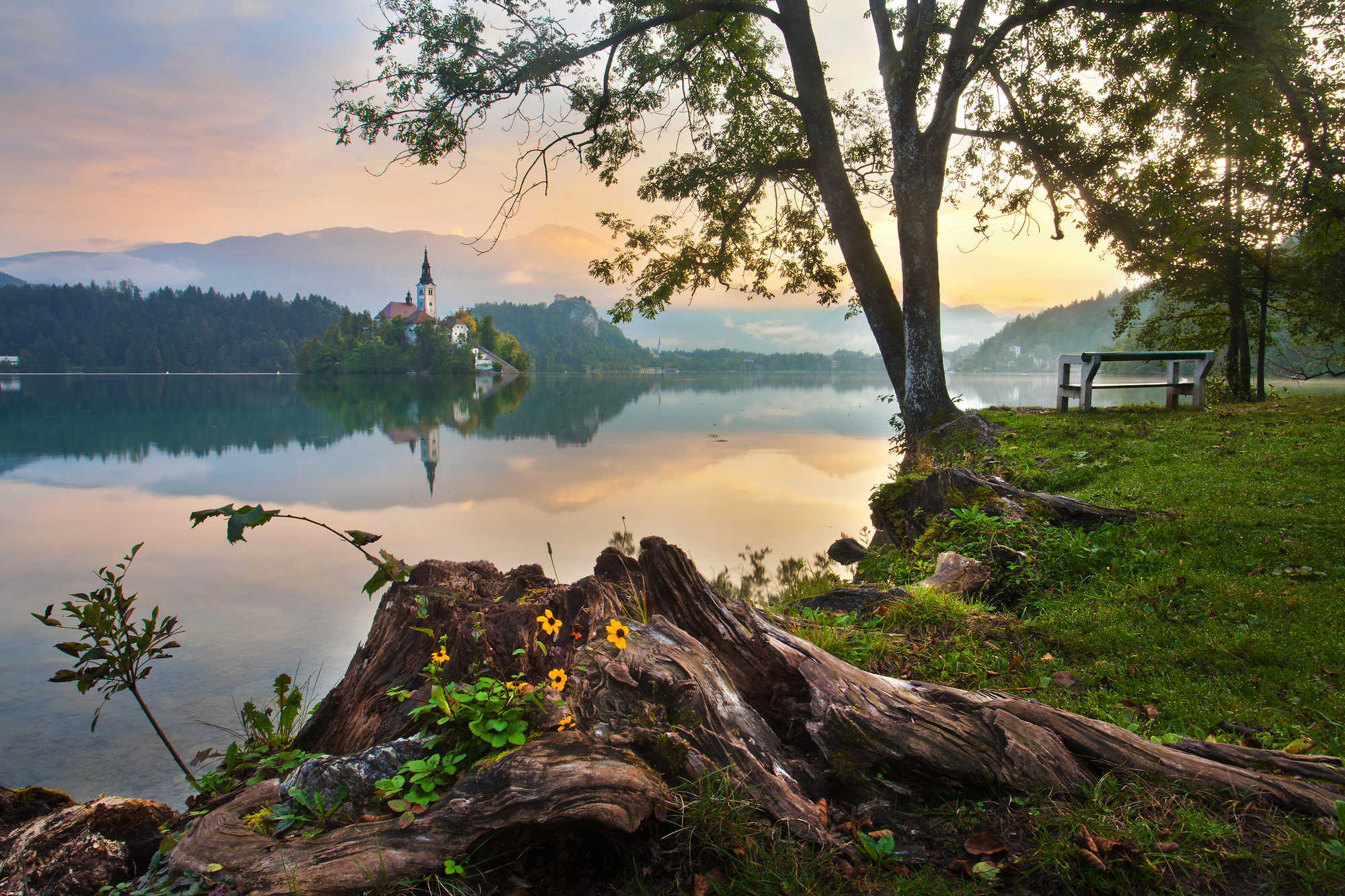
Bled.
Author: I feel Slovenia
-
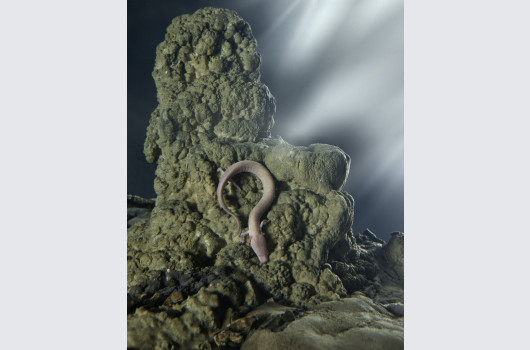
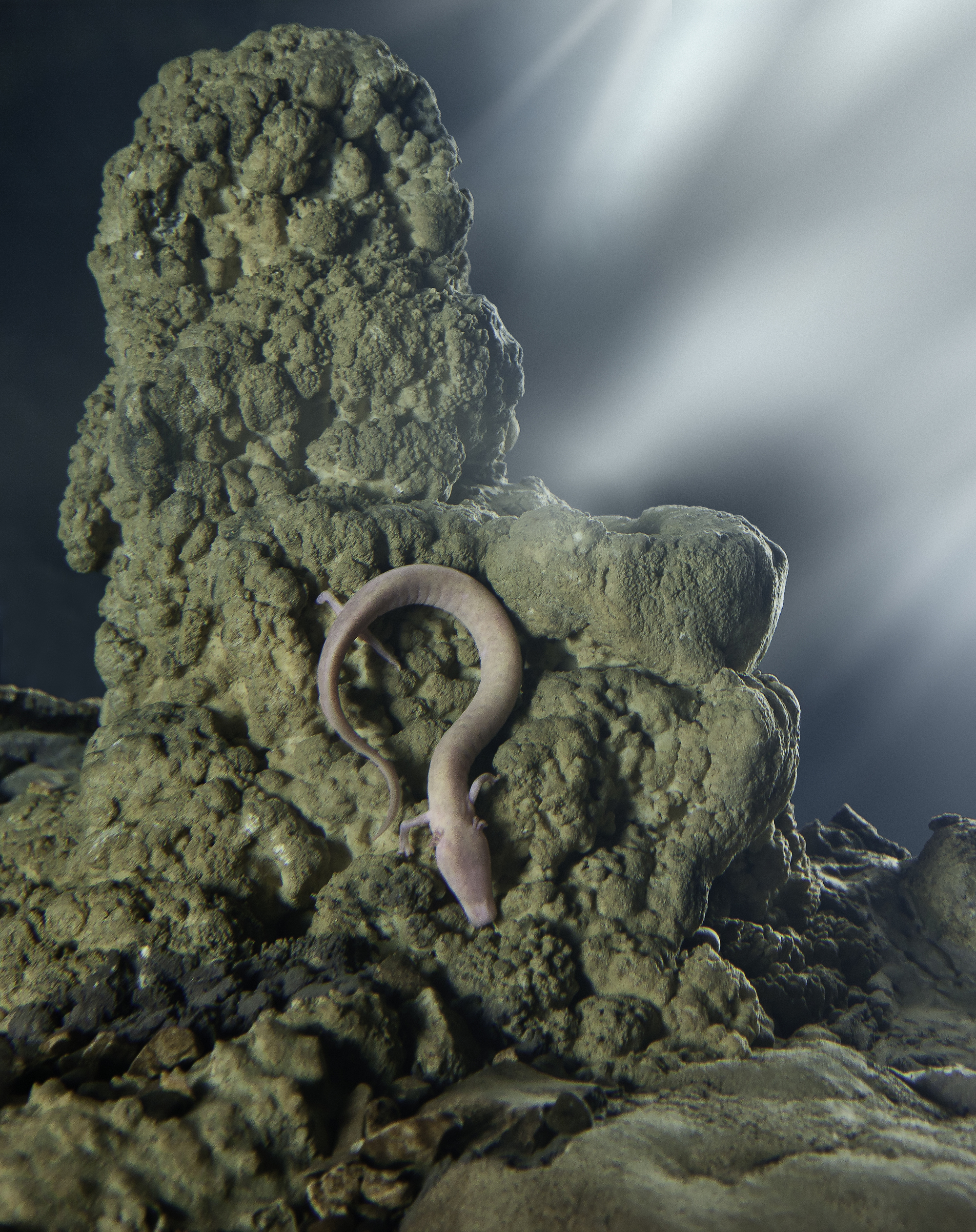
The olm (človeška ribica) in Postojna cave.
Author: I feel Slovenia
-
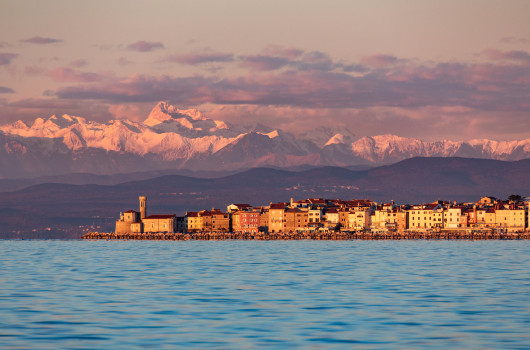
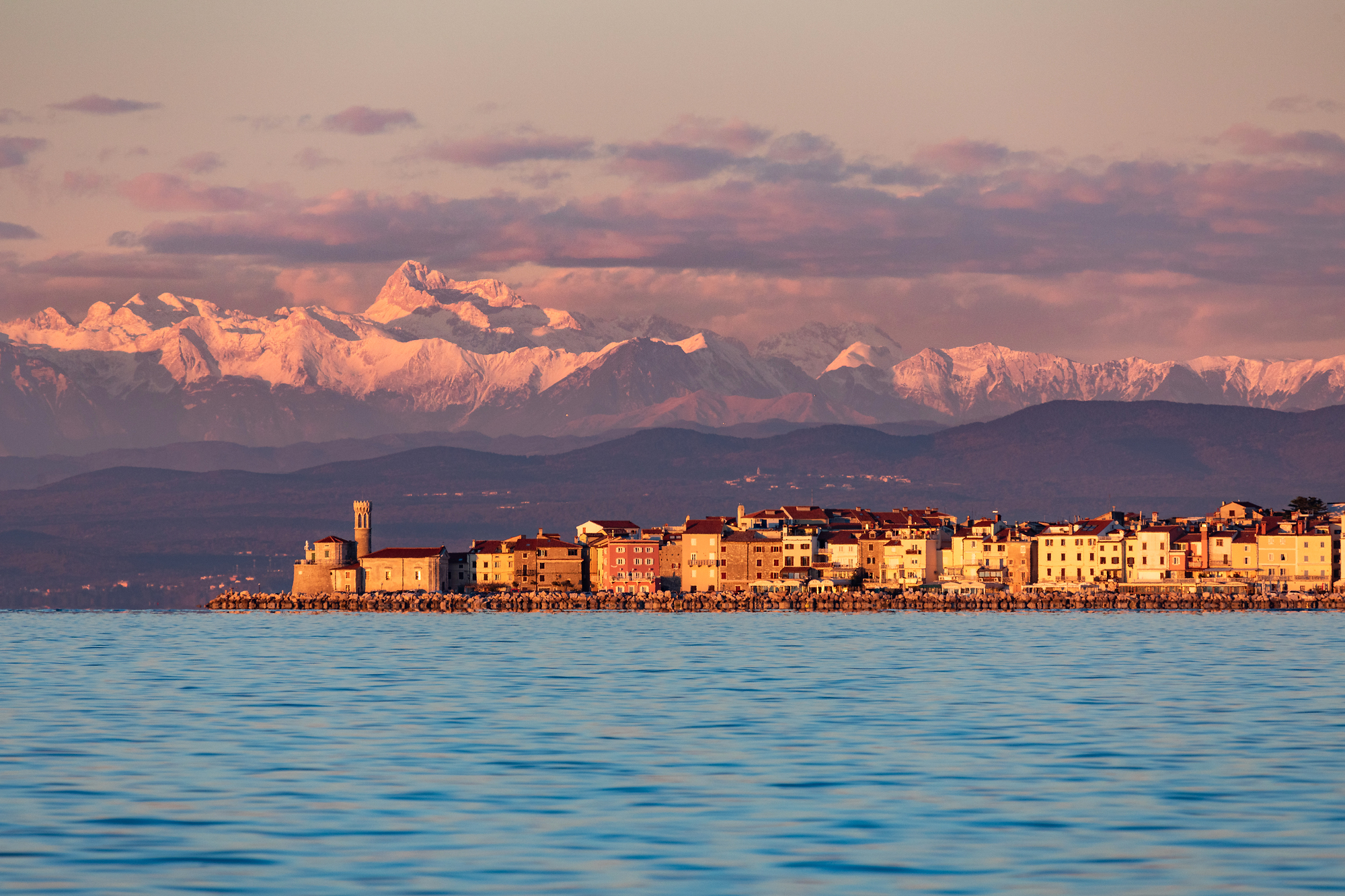
Slovenia has it all - both the sea and the mountains. View of Piran and Triglav.
Author: I feel Slovenia
-
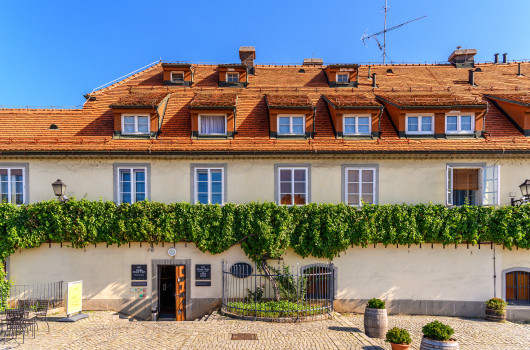
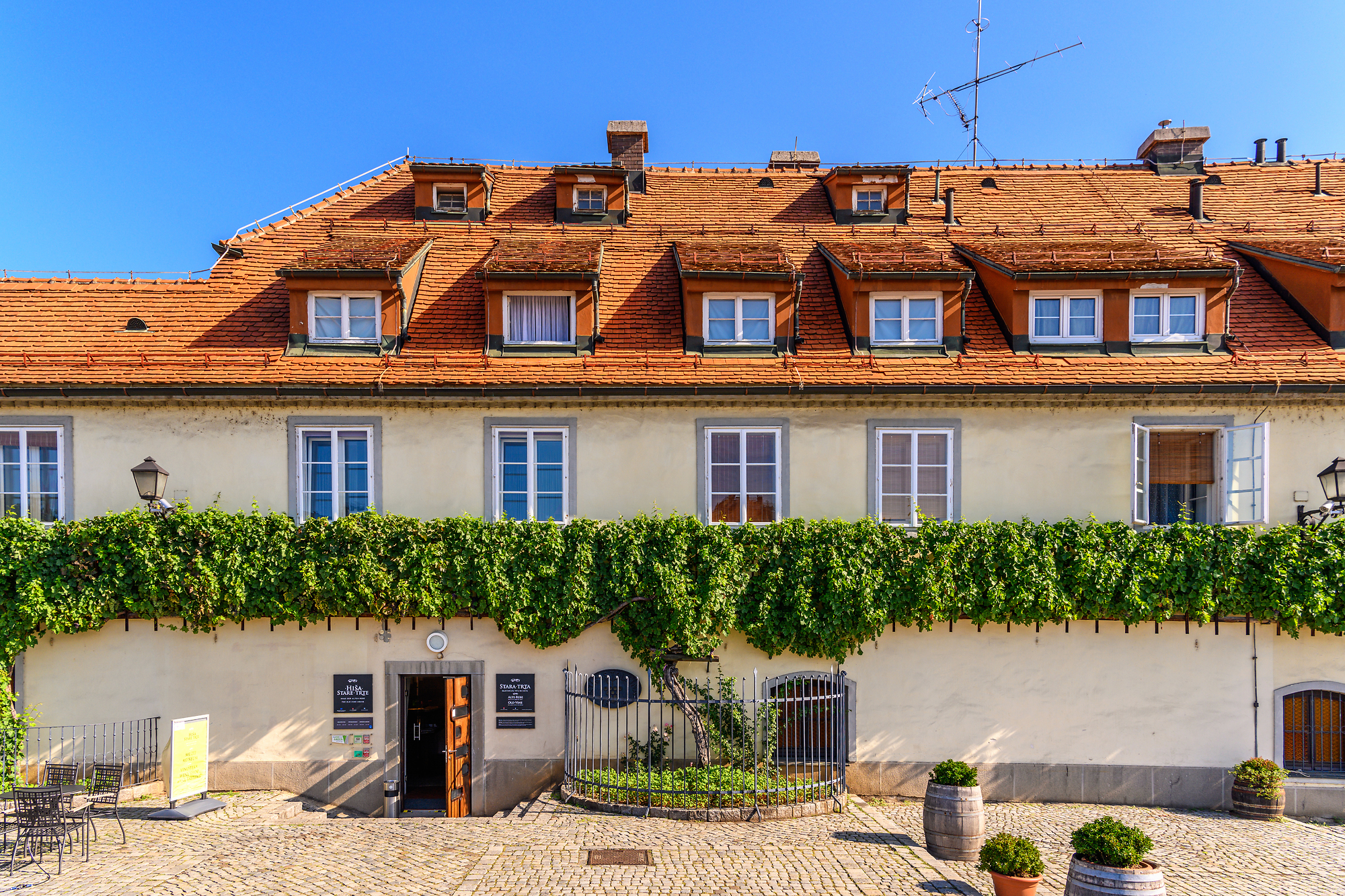
Approximately a 440-year-old Old Vine in the central part of the city of Maribor.
Author: I feel Slovenia
-
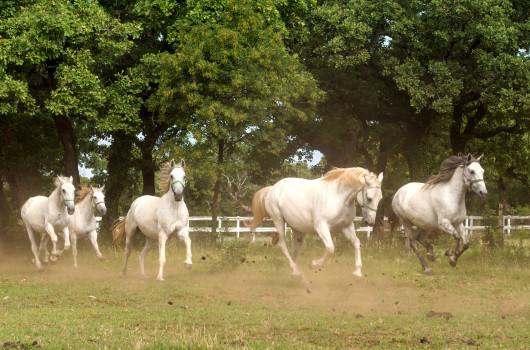
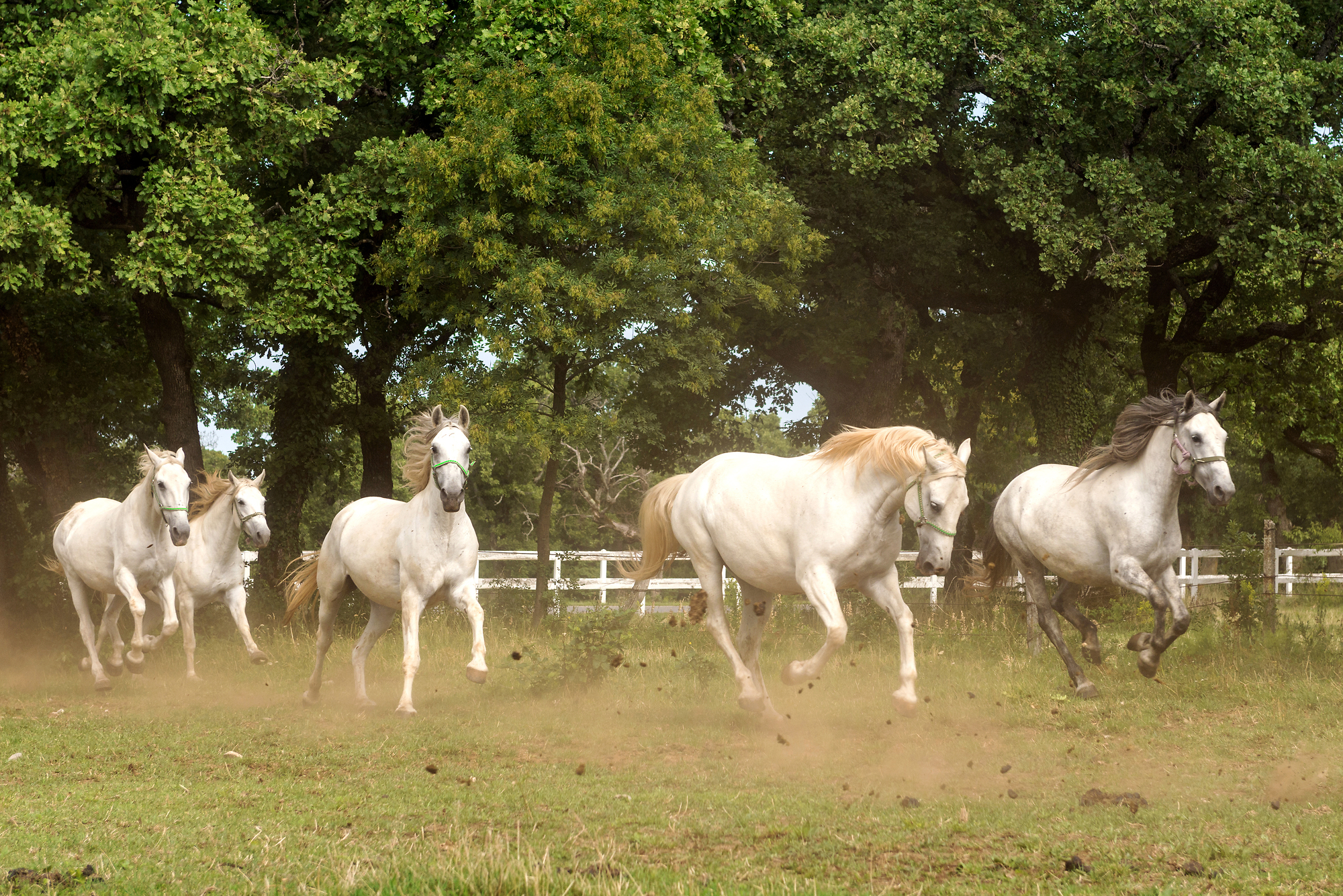
Lipizzans - the name of the breed derives from that of the village of Lipica in Slovenia.
Author: I feel Slovenia
-
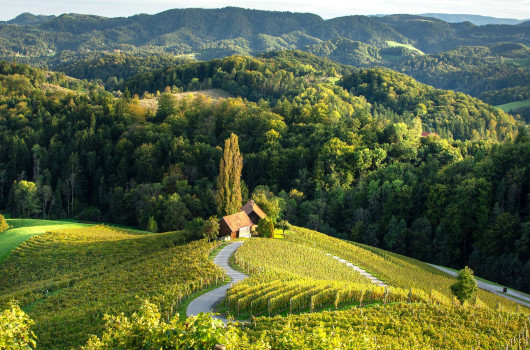
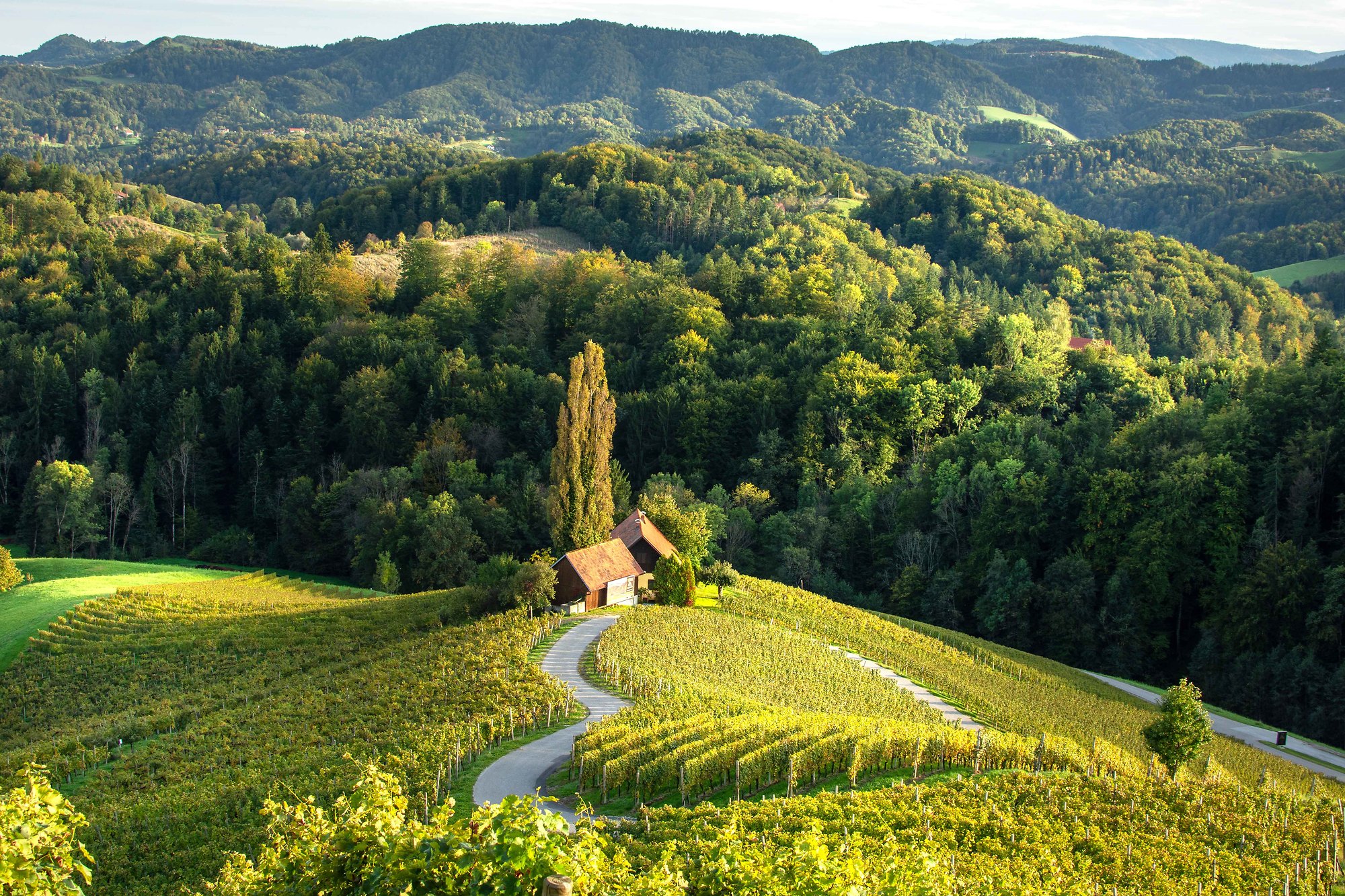
The heart of the vineyards in Špičnik.
Author: I feel Slovenia
Video about Slovenia
Relative to its geography, history, economy, culture and language, it is a highly diverse country with a distinctly transitional character. It occupies an exceptional position at the meeting point of the Alps and the Mediterranean, and encompasses the enigmatic Karst and the expansive Pannonian plains. Its geographical diversity – mountains, forests and sea – makes the region highly attractive. In Slovenia, you can swim in the sea in the morning and climb mountains in the afternoon. Historically, it has been a well-established trade route between Europe and Asia and an important seaport for trade along the Adriatic and Mediterranean Seas.
Slovene is the official national language, but Italian, Hungarian and Romani are legally protected minority languages. Slovenian is a South Slavic language and one of the few Indo-European languages to have preserved the dual grammatical number. One of the major challenges faced by Slovenian at the beginning of the 21st century was Slovenia’s accession to the European Union, through which Slovenian gained the status of one of the EU’s official languages. Universities offer Slovenian courses for students to meet their specific needs. All interested foreigners can also learn Slovenian online, with courses freely accessible.
Since the earliest times, Slovenia’s diverse and rich natural and cultural traditions have fostered the creativity of writers and artists. “Like heaven under Triglav”, as Slovenia was described by Ivan Cankar, one of the giants of Slovenian literature.
Slovenia is a member of all the major international organisations, including the European Union and NATO. In the first half of 2008, it was also the first of the new Member States to hold the EU Presidency. In the second half of 2021, Slovenia will hold the Presidency of the Council of the EU for the second time.
In Slovenia the natural world is dominated by green, and the country features varied landscapes and contours in all regions. Two thirds of Slovenia are covered with forests. Slovenia’s forests are exceptional in their biodiversity, which includes around 19,000 animal species. Only Finland and Sweden have a higher percentage of forestland than Slovenia’s 58.9%. Thirty-seven per cent of the territory is protected as Natura 2000. Slovenia has one of the highest numbers of underground caves in the world in relation to its area. A number of endemic animals called proteus, or “human fish”, live in them. This rare and mysterious species has the ability to fully recover after injury and can even restore missing body parts.
Perhaps the most notable of Slovenia’s animals is the Lipizzan horse, beloved around the world for its extraordinary beauty and exceptional performance in entertainment and sport.
Frequently asked questions

Photo: Jacob Riglin
Ljubljana – the capital of Slovenia
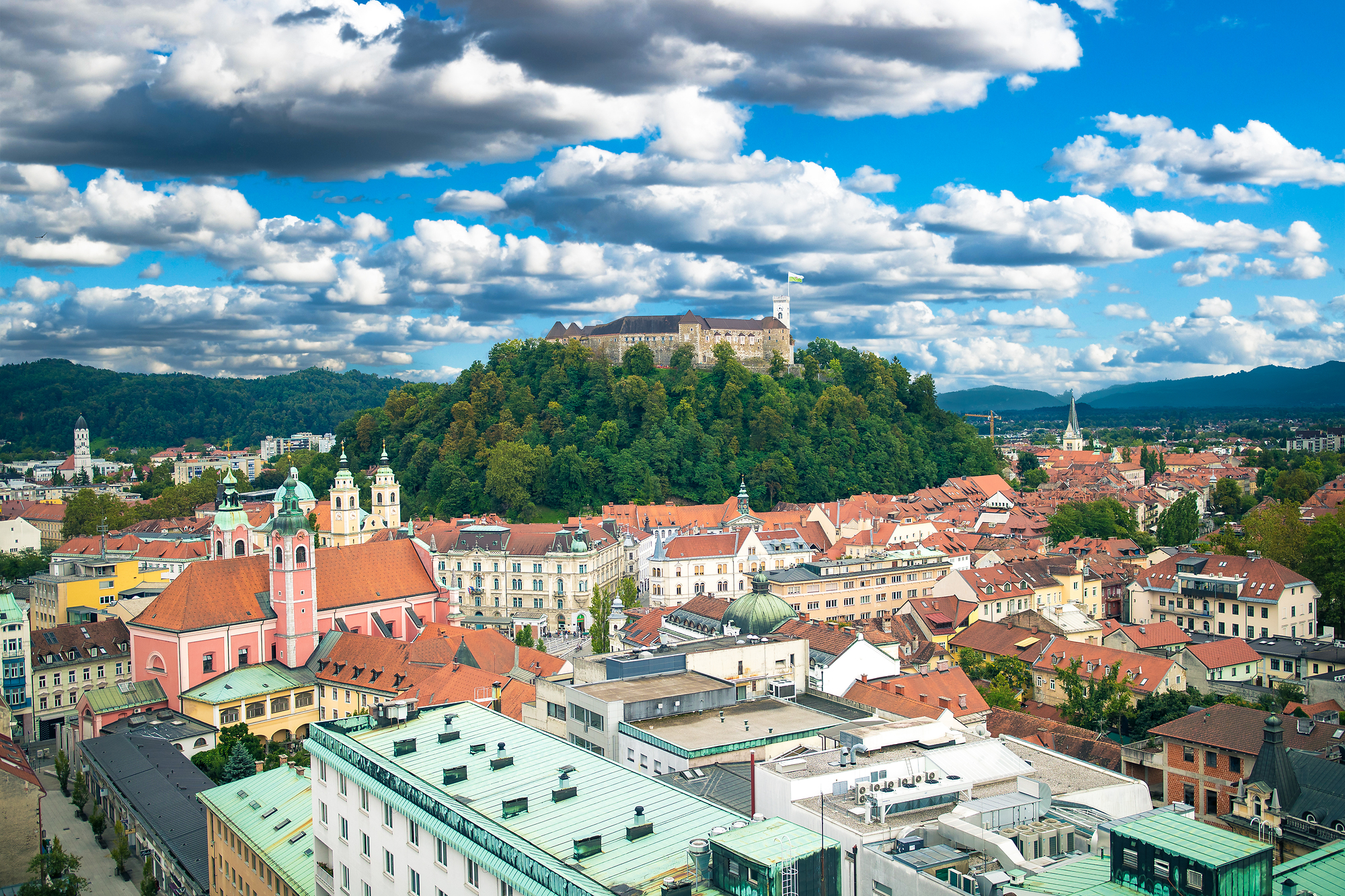
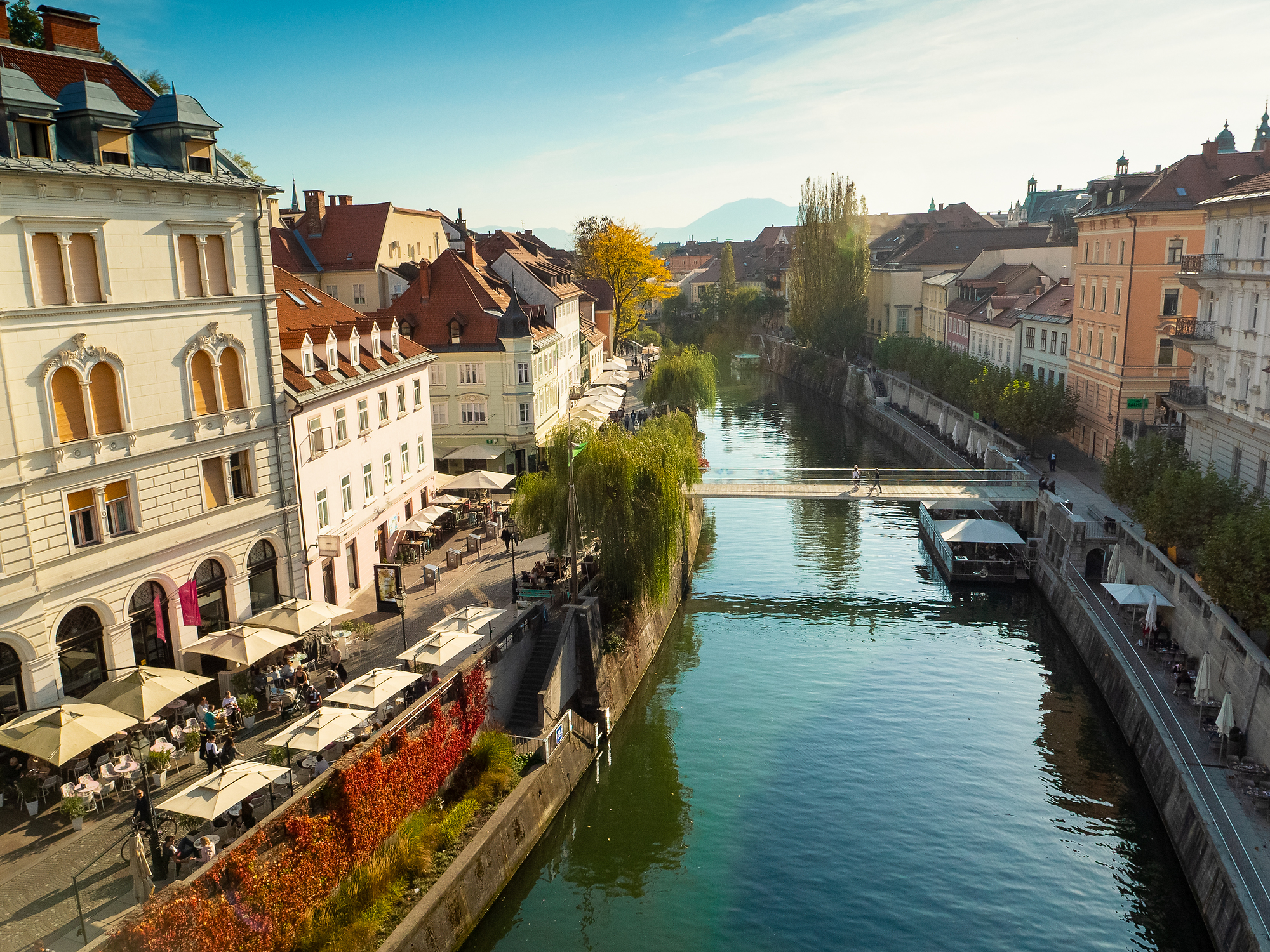
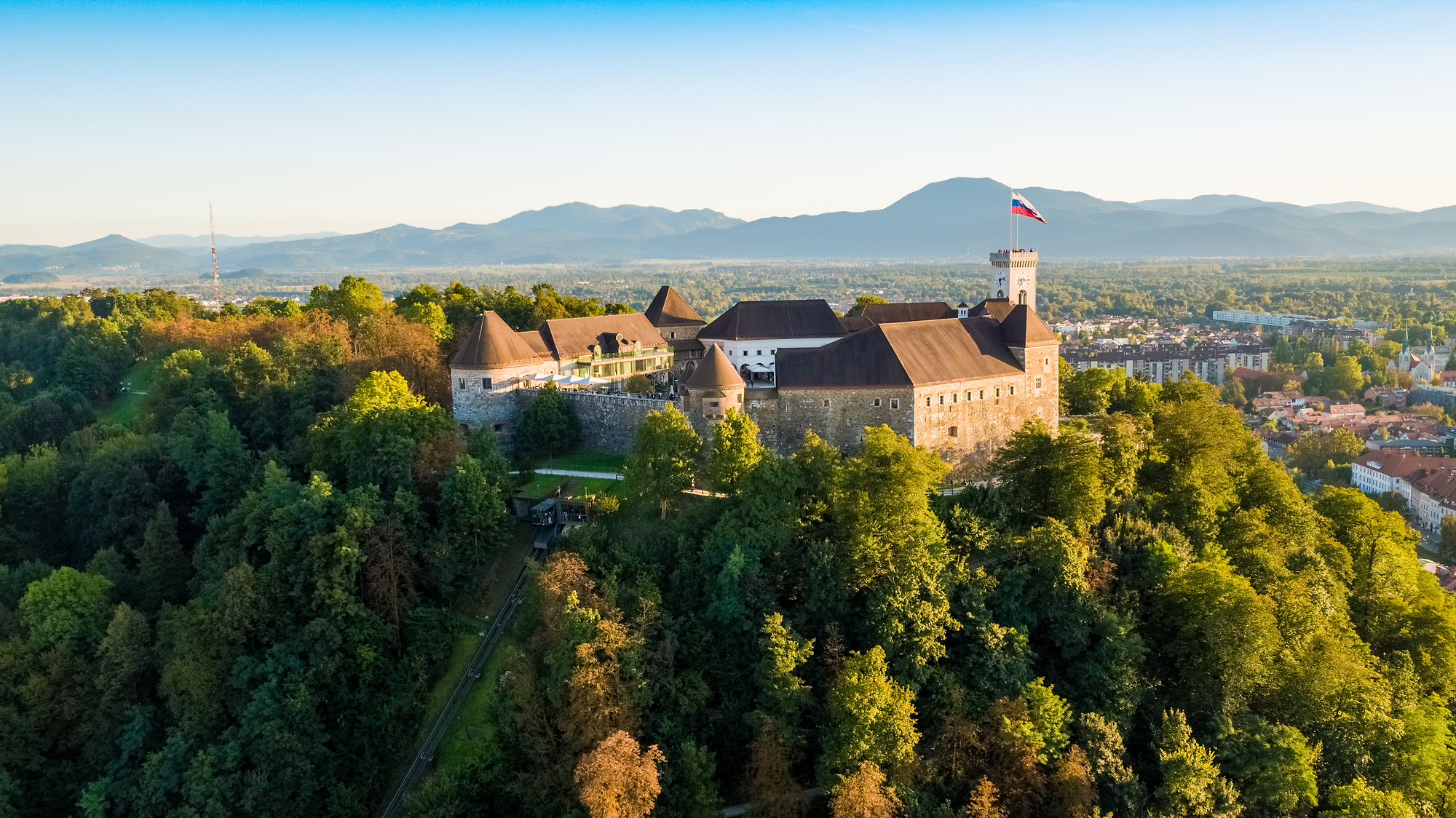
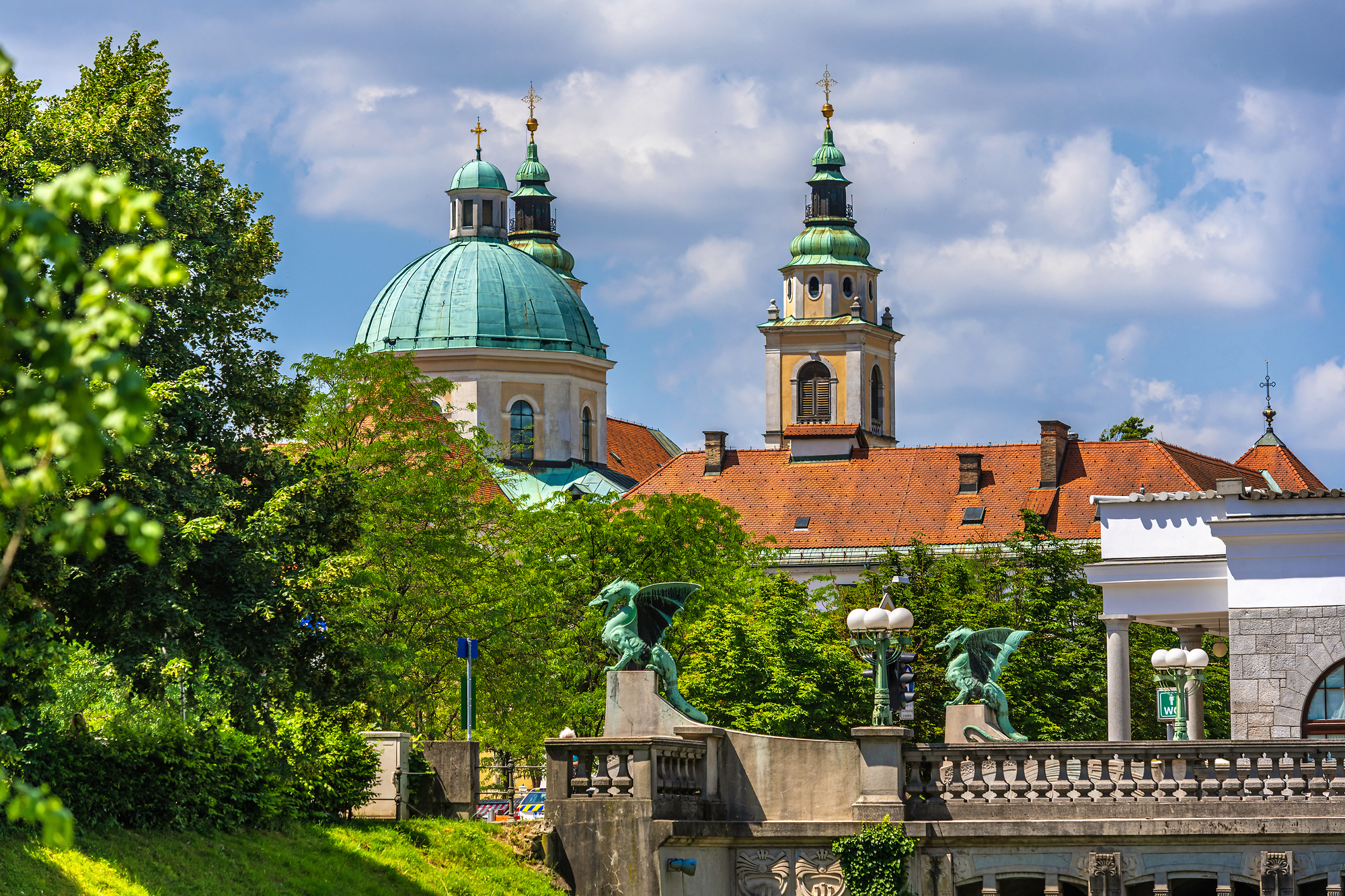
Ljubljana is a pleasant city to live in. Although it is not among Europe’s largest cities, it has everything one finds in other capitals: museums and galleries, one of the oldest philharmonic orchestras in the world, other orchestras, many theatres, a university, institutes and libraries.The city’s increasingly vibrant commercial and trading life and the rapid increase in foreign diplomatic representatives are giving it an ever greater cosmopolitan touch. It offers a wide variety of cafes, pubs, bars and restaurants. Relief from the hustle and bustle of life in the capital can be found in the numerous parks and woodland areas, which in some places reach nearly into the city centre.
Top 10 attractionsQuick facts about Ljubljana
Photo gallery
-
Author: I feel Slovenia
-
Author: I feel Slovenia
-
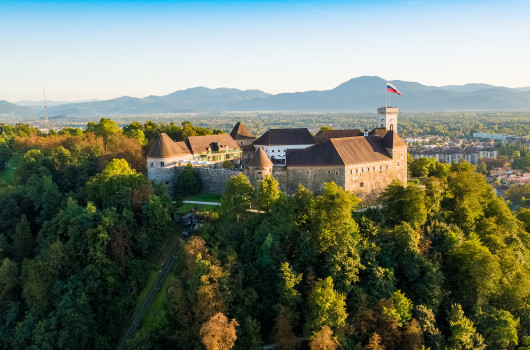
Author: I feel Slovenia
-
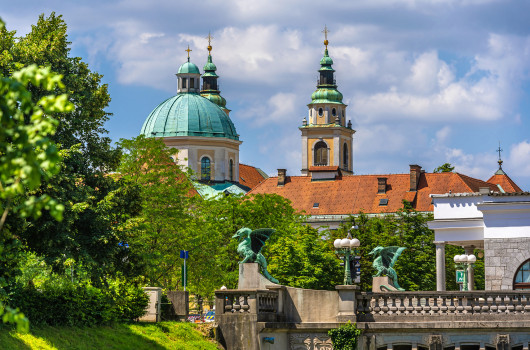
Author: I feel Slovenia
Phone and postal services
Post of Slovenia provides postal, logistic, secure electronic postal and other services. Postal code for Ljubljana: 1000
Useful phone numbers:
-
Country code for Slovenia
00386 / +386
-
Ambulance
112
-
Fire Department
112
-
Police
113

I feel Slovenia
Keeping safe
Slovenia is considered to be a relatively safe destination.
According to the data of the Global Peace Index, Slovenia is ranked among the 10 safest countries in the world.
However, it is important that you take precautions in keeping yourself and your possessions safe.