
Restoration of wetland and meadow ecosystems

UL VF
Date of publication:
Meadow and wetland ecosystems fulfil various functions that are essential for the life of different plant and animal species and for human activities. These ecosystems are highly efficient carbon sinks and habitats for animal and plant species of European importance in Natura 2000. They are rapidly being lost due to climate change (drought, evaporation, erosion, cracking, sward damage, etc.) and land use change, as well as the introduction of invasive alien plant and animal species. How can wetlands and meadow ecosystems be better managed to help mitigate the climate crisis and conserve biodiversity?
The Veterinary Faculty addressed this question as part of the ReNatura project - Restoration of wetland and meadow networks important for Natura 2000 and other protected species and habitat types in the Karst Biosphere Reserve and the Reka River Basin and Pivka Intermittent Lakes Landscape Park.
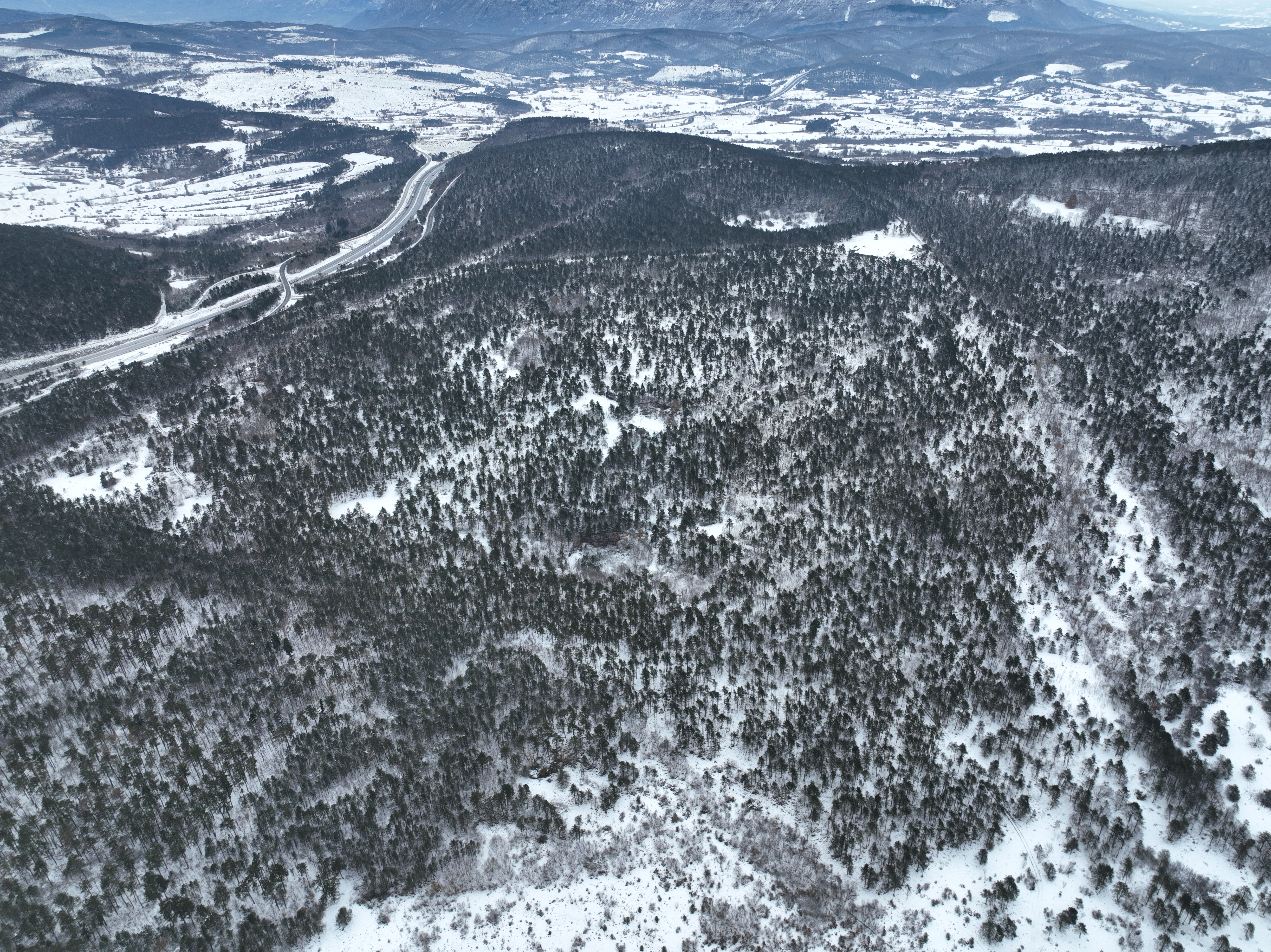
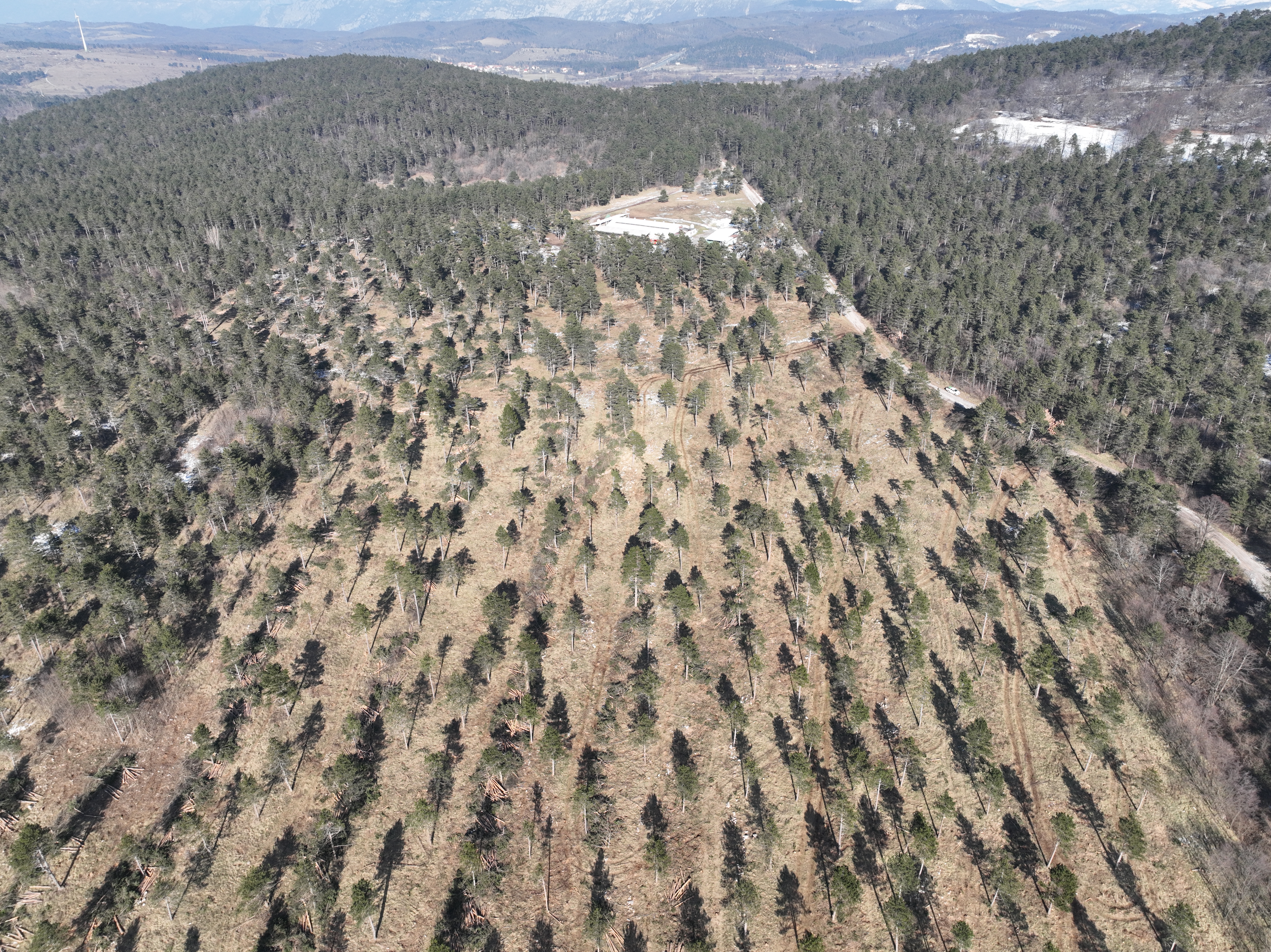
As part of the ReNature project, 39 hectares of overgrown meadows in the Vremščica area, which are important for Natura 2000 species and habitat types, were restored in cooperation with the Gabrče Agricultural Community. By applying good agricultural practices, the aim is to create a botanically diverse sward that is better able to withstand the extremes caused by climate change. The meadows will be used as pastures and as a study field to demonstrate good practices to preserve the original biotopes of typical Karst meadows and pastures.
Photo gallery
Other project partners include the Public Institute of Škocjan Caves Park as the lead partner, the Faculty of Mathematics, Natural Sciences and Information Technologies of the University of Primorska (FAMNIT), the Municipality of Pivka and the Norwegian Institute for Nature Research (NINA). The project is co-financed by Iceland, Liechtenstein and Norway through the EEA Financial Mechanism 2014-2021 and the corresponding Slovenian participation.
