
UL FS with a coordinating project towards the development of more efficient and sustainable e-mobility

Date of publication:
The Faculty of Mechanical Engineering at the University of Ljubljana will lead the breakthrough research and development project NEO-TWIN: Next-Generation Methods, Tools, and Products for Innovative Diagnostics and Prognostics of Electric Vehicles Based on Digital Twins. Through the project, they aim to improve the diagnostics of batteries and other e-vehicle components, extend their service life, and thereby contribute to even more efficient and sustainable e-mobility.
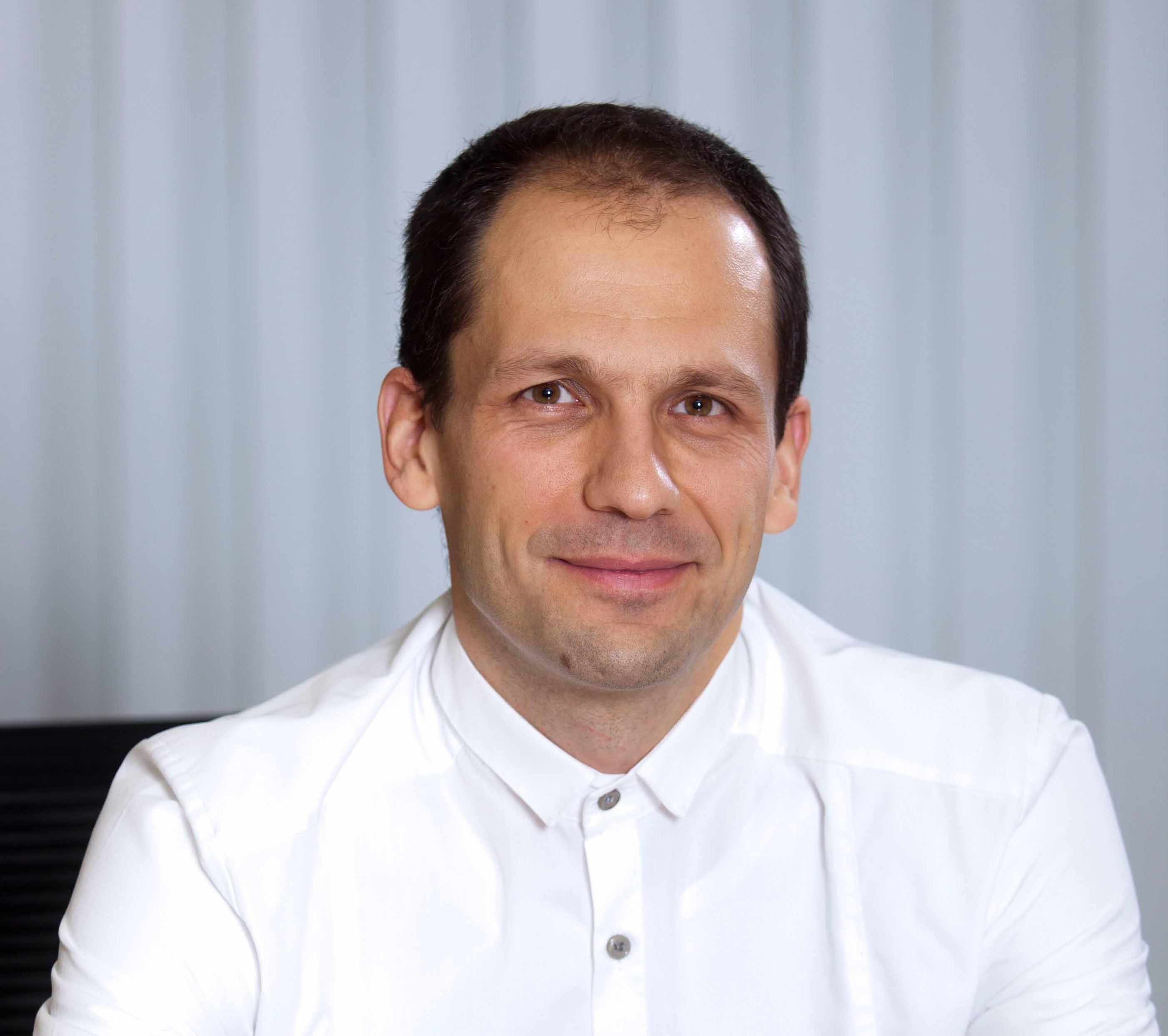
“Today, the condition of batteries and other components is often assessed in a manner comparable to a physician evaluating a patient’s health based solely on body temperature or blood pressure,” emphasizes project leader Prof. Dr. Tomaž Katrašnik, head of the Laboratory for Internal Combustion Engines and Electromobility (LICeM) at the Department of Energy Engineering (KES).. “The NEO‑TWIN project therefore draws inspiration from modern medicine and introduces a novel paradigm: by combining digital twins with advanced virtual and physical sensing technologies, it enables direct insight into internal processes in batteries, electric machines, inverters and fuel cells —analogous to the use of ECG, X‑ray, or magnetic resonance imaging in human diagnostics. This approach allows for substantially more accurate condition assessment and supports a transition toward proactive management of component performance and service life.”
Photo gallery
The NEO-TWIN project will leapfrog safety, durably and reliability functionalities in electric and electrified vehicles by developing and demonstrating an innovative NEO-TWIN SUITE, which incorporates multiple innovative technological solutions in the vehicle and in the cloud.
NEO-TWIN SUITE is an innovative cyber-physical system integrating next generation methods, tools and products for innovative digital-twin based diagnostics, prognostics and model enhanced control of key powertrain devices of electric and electrified vehicles focusing on batteries, electric machines, inverters and fuel cells.
The project was approved on the basis of its scientific excellence, clearly defined objectives, and strong potential for transferring results into industrial practice. It has an interdisciplinary focus and includes several industrial partners, enabling the effective transformation of breakthrough research achievements into concrete technological solutions. In addition to the Faculty of Mechanical Engineering at the University of Ljubljana, the following partners will be involved in the implementation of the project: Domel, d.o.o., Emsiso d.o.o., Hidria d.o.o., Jožef Stefan Institute, National Institute of Chemistry, Piktronik d.o.o., Smartis, d.o.o., University of Ljubljana, Faculty of Electrical Engineering, University of Maribor, Faculty of Electrical Engineering and Computer Science, and the Slovenian National Building and Civil Engineering Institute, while the SRIP ACS+ office also actively supported the preparation of the project proposal. The project is worth nearly five million euros and is funded through a call by the Slovenian Research and Innovation Agency (ARIS).
By coordinating a key research and development project in the field of mobility, the University of Ljubljana, Faculty of Mechanical Engineering is strengthening its position as a leading research centre in sustainable and safe mobility and energy. The project is also strengthening the link between science and industry.
