
The RE:ABCD method for thoughtful planning and redesign of teaching

Center Digitalna UL
Date of publication:
For many higher education lecturers, the summer months are a time to review their courses, prepare new versions and consider which teaching activities it would be sensible to adapt before the start of the new academic year. RE:ABCD – a method for planning individual teaching activities, revamping a teaching module or comprehensively updating a course, which we have developed at the UL Digital Centre – can assist them in this.
What is the RE:ABCD method?
The name RE:ABCD encapsulates the four key focuses of the method: active student engagement, the thoughtful use of digital and blended learning formats, collaboration, and design (Reimagined Active Blended Collaborative teaching and learning Design). The method guides the teacher, step by step, from learning objectives and expected evidence of learning to the selection of activities, forms of collaboration and the meaningful role of digital technology and artificial intelligence.
Photo gallery
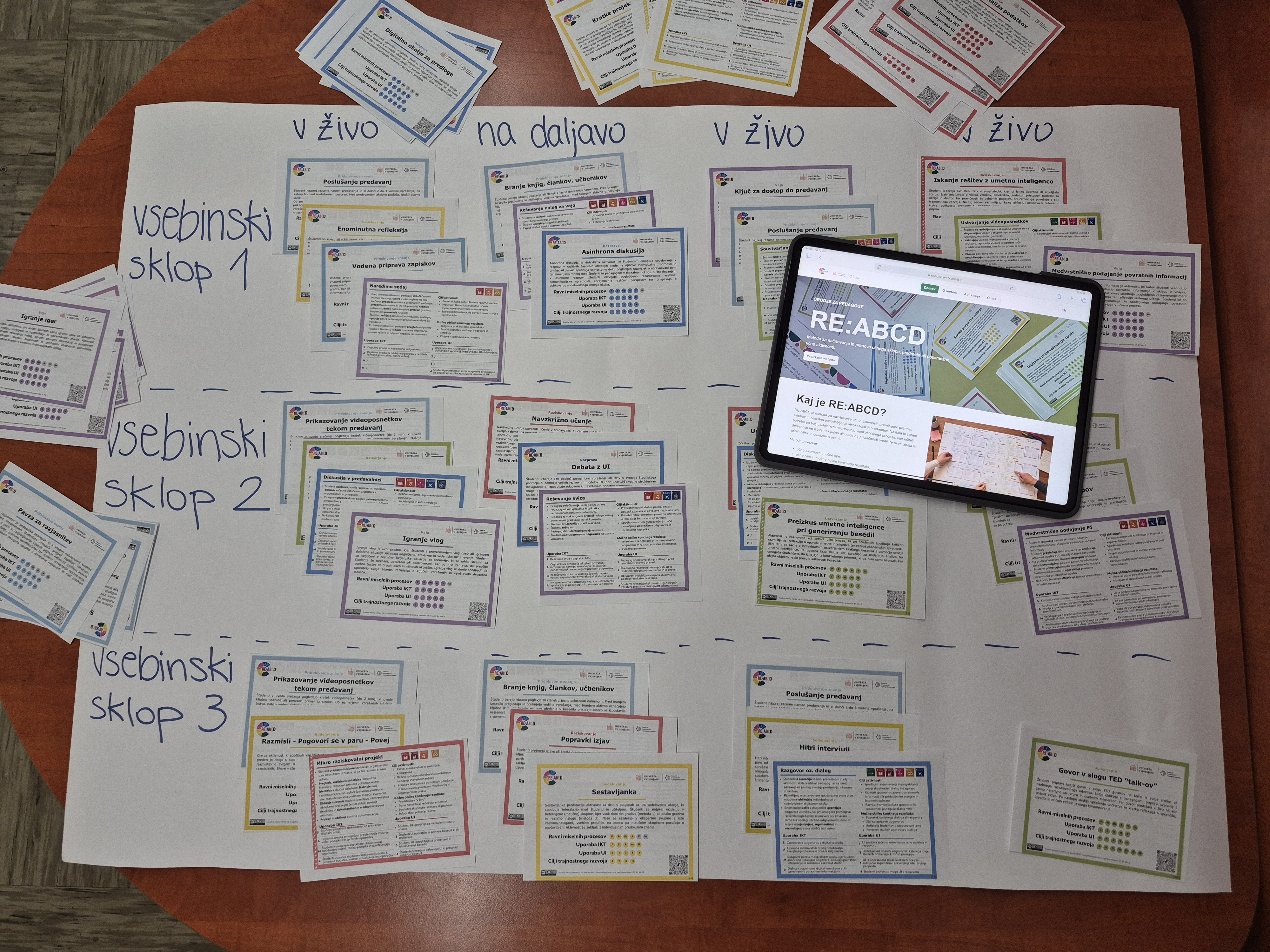
Key components of the method
The key principle of the method is that we do not begin planning with a tool, but with a learning objective. Only once it is clear what students are expected to understand, apply, analyse, evaluate or create can we make informed choices regarding learning activities, the format of the work, technology and the method of assessment.
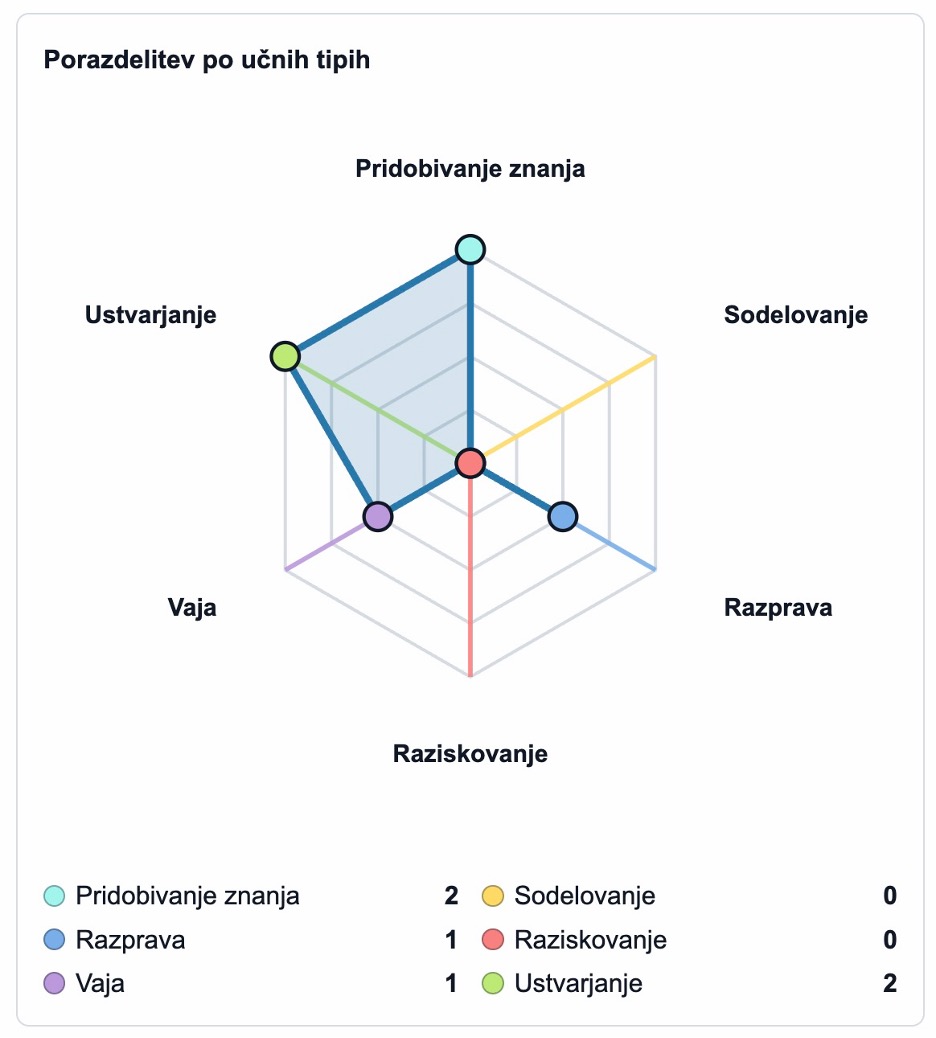
An integral part of the RE:ABCD method are the activity cards, which we arrange in a logical sequence to form a lesson plan. These are categorised into six learning types: knowledge acquisition, collaboration, discussion, exploration, practice and creation (distinguished by colour). This enables the teacher to quickly check whether the plan is sufficiently varied and balanced. RE:ABCD also integrates learning objectives and outcomes, the use of ICT and artificial intelligence, evaluation, reflection and sustainable development into a clear and reproducible learning process plan.
Photo gallery

Photo gallery

How can we use this method?
The method is intended for educators who are planning a new course or wish to revamp an existing one, a specific module or a learning activity. It helps them to check whether the activities genuinely support the set objectives, whether students are actively engaged in the learning process, and whether technology is being used with a clear pedagogical purpose.
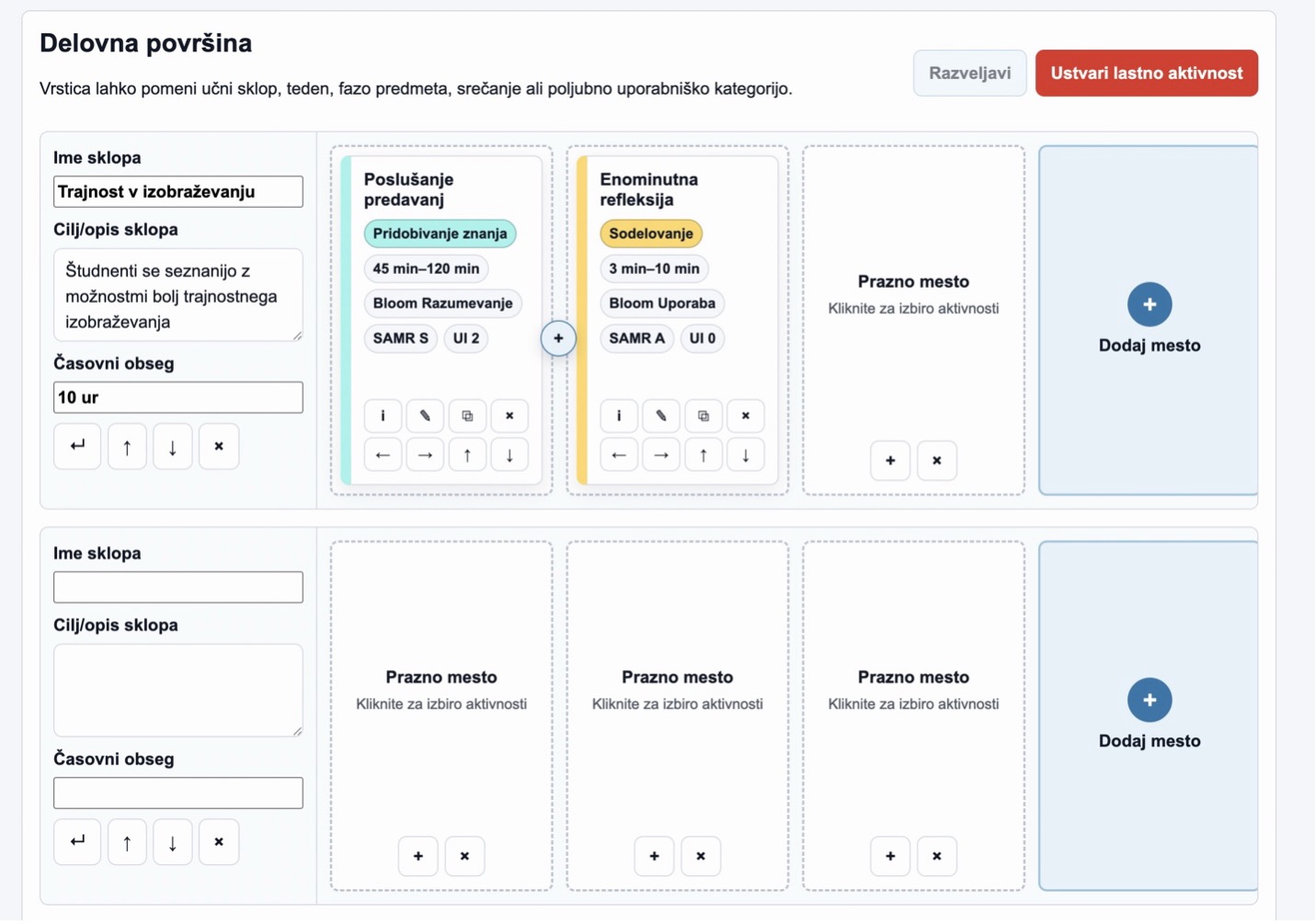
The method can be used with physical cards and a poster or via a web-based application. In the latter, the teacher first describes the context and selects what they are planning, then finds the relevant cards, adapts them to their students and the available resources, and puts together a coherent sequence of activities. In the online application, they can also review the balance between learning styles, the use of technology and the expected learning outcomes, and save or export the lesson plan.
Photo gallery
-

Izbira aktivnosti v aplikaciji REABCD.
Author: Center Digitalna UL
-

Delovna površina v aplikaciji REABCD.
Author: Center Digitalna UL
-

Analiza načrta po učnih tipih.
Author: Center Digitalna UL
-

Analiza načrta po taksonomskih stopnjah in uporabi IKT.
Author: Center Digitalna UL
-

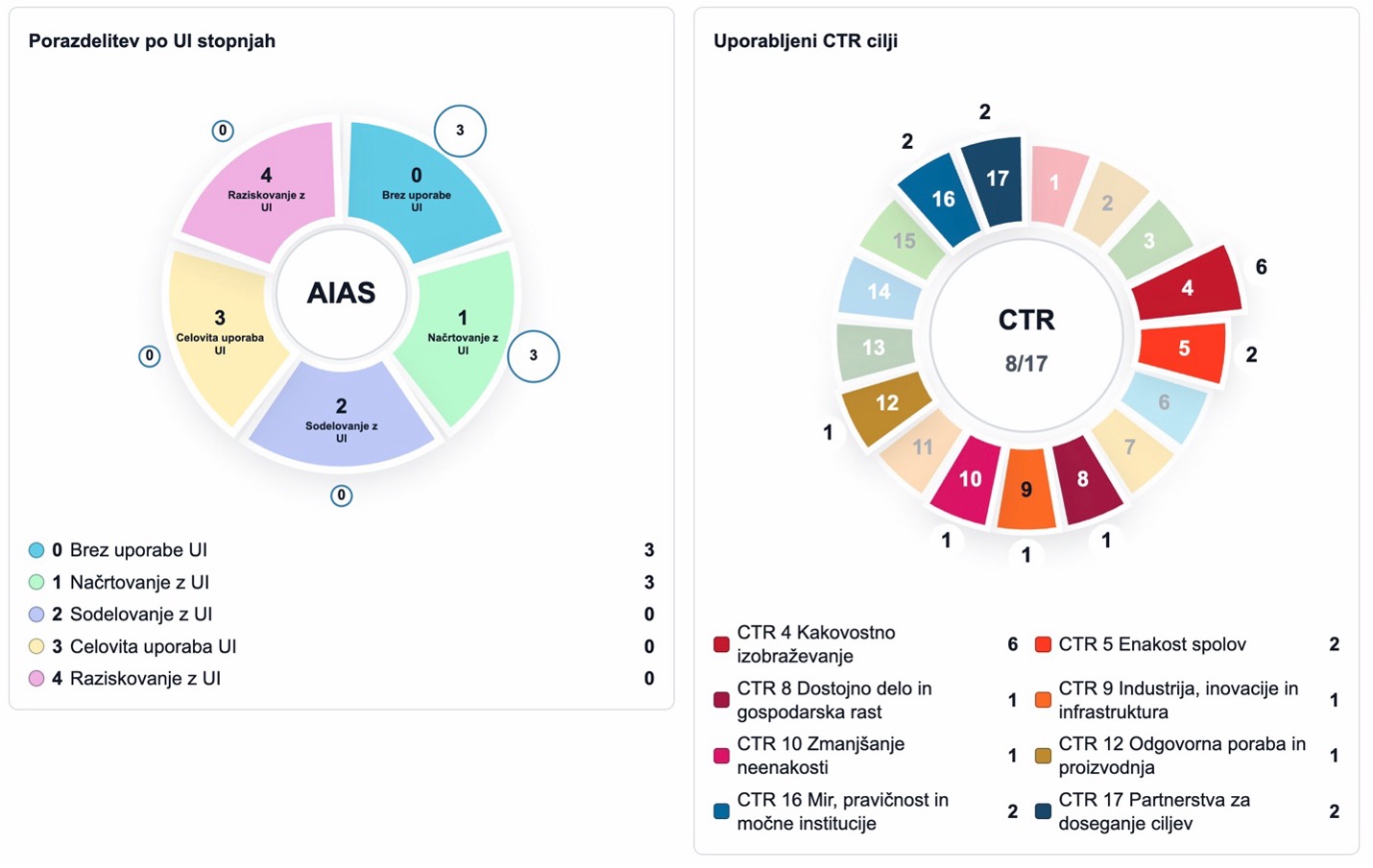
Analiza načrta glede na uporabo UI in CTR.
Author: Center Digitalna UL


You’re welcome to come and have a look and try it out
We also presented the method and the online application to the community of multipliers for the development of digital learning models. Further information and access to the application are available on the website https://reabcd.web.uni-lj.si/. A recording of the meeting and additional materials are published in the online classroom(the password for first-time login is: reabcd).
You are invited to test the application.
Department

Center for the use of ICT in pedagogical process (Digital University Center)
Univerza v Ljubljani
Kongresni trg 12
1000 Ljubljana