
News
Customize list
-

Opening of additional study spaces during the exam period
During the exam period, students will also be able to prepare for their exams on weekends in the study rooms of the UL Faculty of Arts, the UL School of Economics and Business and the UL Faculty of Law. The rooms will be available to all students between 18 May and 29 June 2025.
-

Understanding and Addressing the Challenges of Hybrid Work: Key Challenges and Opportunities for Organizations
The study reveals how hybrid work affects employee well-being and organizational culture.
-

SpaceDent Exhibit Now Part of the Permanent Exhibition at the Noordung Center
The permanent exhibition of the Herman Potočnik Noordung Space Technology Center in Vitanje now features an exhibit from the SpaceDent research project – the first Slovenian student project conducted within the ESA Academy programme of the European Space Agency (ESA), in collaboration with the University of Ljubljana’s Faculty of Medicine and Faculty of Mechanical Engineering, where students successfully simulated dental procedures in microgravity during a parabolic flight.
-
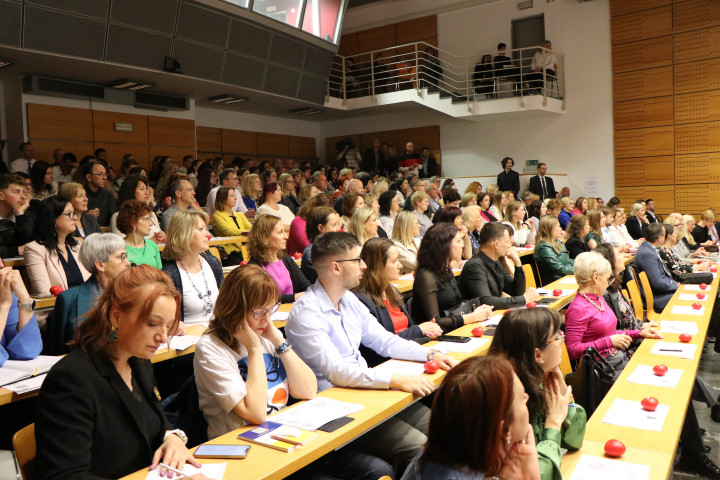
10th Public Sector Academy: Respect and trust are key values
On Wednesday, 23 April 2025, the 10th Public Sector Academy was held at the UL Faculty of Public Administration. This year, the Academy focused on the fundamental building blocks of any public institution – people. People are among the greatest assets of any organisation.
-

University of Ljubljana adopts Guidelines on Reconciling Work, Study and Private Life
In March 2025, the University of Ljubljana (UL) adopted the Guidelines on Reconciling Work, Study and Private Life, which also cover longer leaves of absence for employees and students, and are aimed at creating a supportive and encouraging environment for all members of the academic community.
-

Planning Renewable Energy Without Conflict?
The transition to renewable energy is a political necessity. But how can it be implemented without compromising other vital objectives – such as biodiversity conservation, water management, cultural heritage preservation, and public health – while also ensuring active public engagement?
-

Prof. Dr Niko Herakovič elected new President of the UL Governing Board
At its constitutive session on Thursday, 24 April, the Governing Board of the University of Ljubljana (UL) elected its new President. The election, conducted by secret ballot via the Simply Voting system, resulted in the appointment of Prof. Dr Niko Herakovič, a University representative from among the UL employees engaged in higher education activities. Aleša Mižigoj was appointed Vice-President.
-

Food for Thought Festival: Scientists discuss the biodiversity crisis and possible solutions
From 12 to 15 May 2025, the University of Ljubljana (UL) will host the second edition of the Food for Thought Festival, a series of events dedicated to addressing current societal challenges related to sustainability. The overarching theme of this year's festival is the preservation and enhancement of biodiversity. The festival features a variety of free events, ranging from panel discussions to workshops for students, employees, and the general public. Its aim is to raise awareness of the biodiversity crisis and the importance of strengthening biodiversity, both in urban environments and more broadly. Biodiversity is crucial for maintaining the healthy functioning of ecosystems and contributes, among other benefits, to human well-being and, through ecosystem services, to ensuring food security and diversity.
-
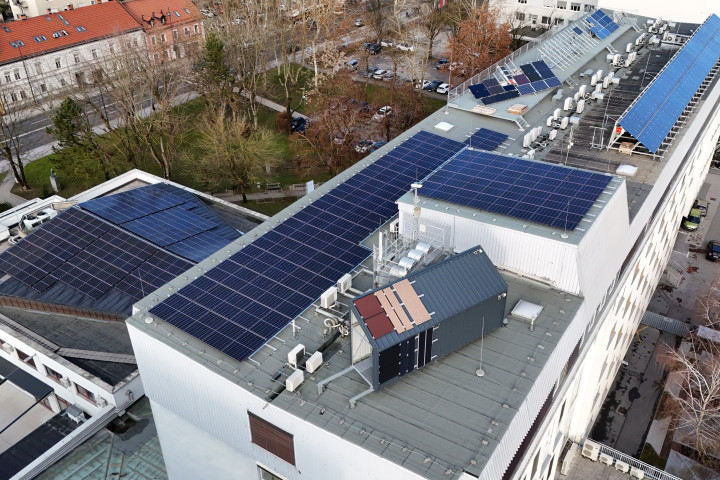
UL FE receives a special award for a promotional project in the field of renewable energies
At the Energy Days event, organised by the Finance newspaper, the winners of the Energy Awards were announced. A special award for a promotional project in the field of renewable energy was presented to the Faculty of Electrical Engineering for its virtual energy community project, developed within the European Aurora project.
-

New Tools to Combat Deepfakes
In a world where trust in photos and videos is increasingly fragile, a significant breakthrough comes from the University of Ljubljana. Researchers from the Faculty of Computer and Information Science, in collaboration with experts from the Faculty of Electrical Engineering, have developed an advanced model capable of detecting digital forgeries with remarkable accuracy – even the most sophisticated ones created using state-of-the-art artificial intelligence techniques.
-

Visit to Madrid as part of the Erasmus+ project AL4LIFE
In March, all partners of the Erasmus+ project AL4LIFE gathered again for a joint meeting, this time in Madrid. The main purpose of the meeting was to report to the participating universities on the activities carried out in the past year and on the activities planned for the next year of the project.
-
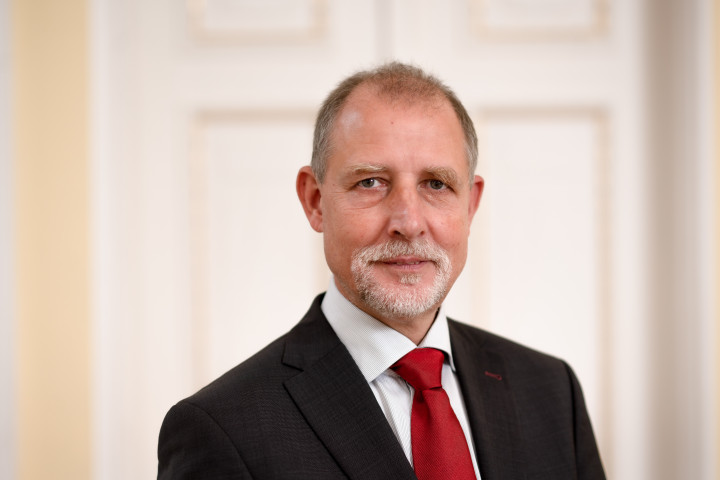
Prof. Dr Gregor Majdič elected Rector of the UL for the term 2025–2029
Prof. Dr Gregor Majdič received 54.48% of the valid votes in the second round of rector elections, while Prof. Dr Irena Mlinarič-Raščan received 45.52%. Prof. Dr Gregor Majdič was thus elected Rector for the term of office from 1 October 2025 to 30 September 2029.
-

10th Rectors’ Forum of Southeast Europe and Western Balkans and the ULYSSEUS International Networking Conference
From April 7 to 8, 2025, the University of Montenegro hosted the 10th meeting of the Rectors’ Forum of Southeast Europe and Western Balkans and the ULYSSEUS International Networking Conference.
-

A representative of Slovenian universities joins the Board of the European University Association for the first time
In a historic milestone for Slovenian higher education, Prof. Dr Gregor Majdič, Rector of the University of Ljubljana, was elected to the Board of the European University Association (EUA) – the first representative from Slovenia to hold this prestigious role. The election of the new members for a four-year term took place at the EUA General Assembly on 10 April at the University of Latvia in Riga.
-

The Guild: A sustainable and just transition must remain a priority amid emerging global crises
On 1 April 2025, The Guild – an international network of European research-intensive universities – published a new policy document reaffirming the universities' commitment to addressing the challenges of the sustainability transition with recommendations for policymakers. The University of Ljubljana (UL), a member of The Guild, actively contributed to the preparation of this key publication.
-

How to Enrich the Nutritional Value of Flour – Collaboration Between Slovenian Industry and Academia
Researchers from the Biotechnical Faculty and the Faculty of Chemistry and Chemical Technology at the University of Ljubljana have successfully developed a process for improving the nutritional value of pea flour through lactic acid fermentation. The interdisciplinary study, conducted in collaboration with a Slovenian food processing company goes beyond academic boundaries and presents a significant commercial value for the techonlogical application on an industrial scale.
-
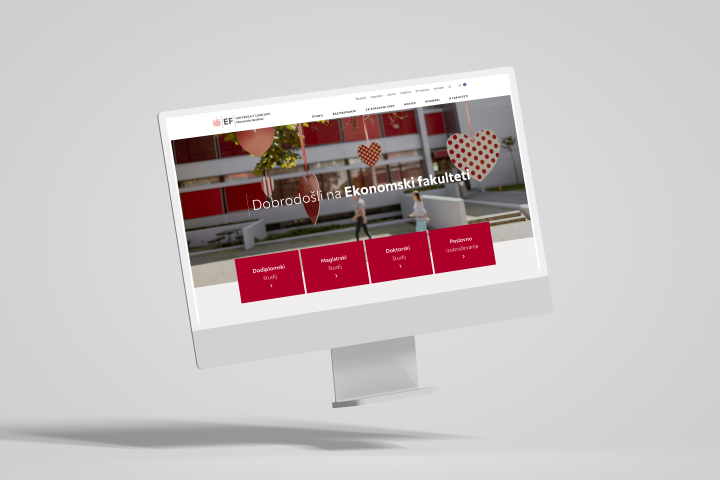
UL School of Economics and Business launches redesigned website
On Monday, 31 March 2025, the School of Economics and Business of the University of Ljubljana (UL EF) launched its newly redesigned website. The year-long project involved over 30 subject-area editors, who will continue to manage and maintain their respective content. The website was developed in collaboration with Innovatif, selected through a public tender process.
-
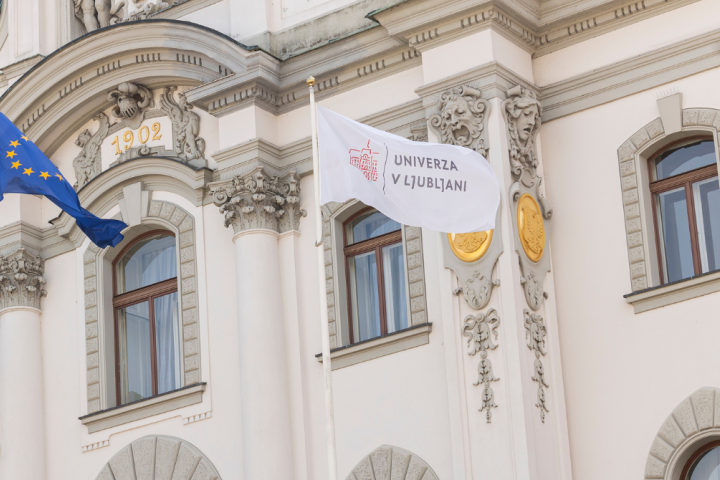
Prof. Dr Gregor Majdič and Prof. Dr Irena Mlinarič Raščan advance to the second round of the University of Ljubljana rector elections
On 2 April 2025, the University of Ljubljana (UL) held its rector elections. Prof. Dr Gregor Majdič received the highest share of valid weighted votes, with 46.91%, followed by Prof. Dr Irena Mlinarič Raščan with 32.54%.
-
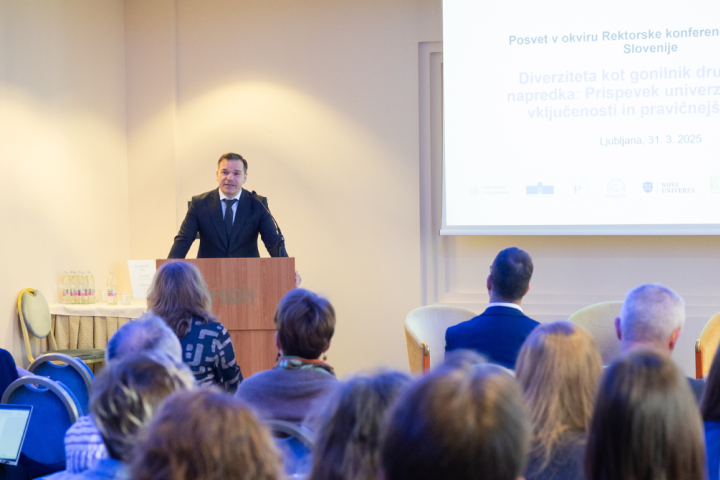
Diversity as a Driver of Social Progress: A consultation within the Rectors' Conference of the Republic of Slovenia
On Monday, 31 March 2025, the University of Ljubljana hosted a panel discussion entitled “Diversity as a Driver of Social Progress: The Contribution of Universities to Social Inclusion and a Fairer Society”, organised within the framework of the Rectors' Conference of the Republic of Slovenia. The event brought together representatives from all eight Slovenian universities, along with decision-makers and experts, to discuss the role of universities as agents of social responsibility and inclusivity.
-
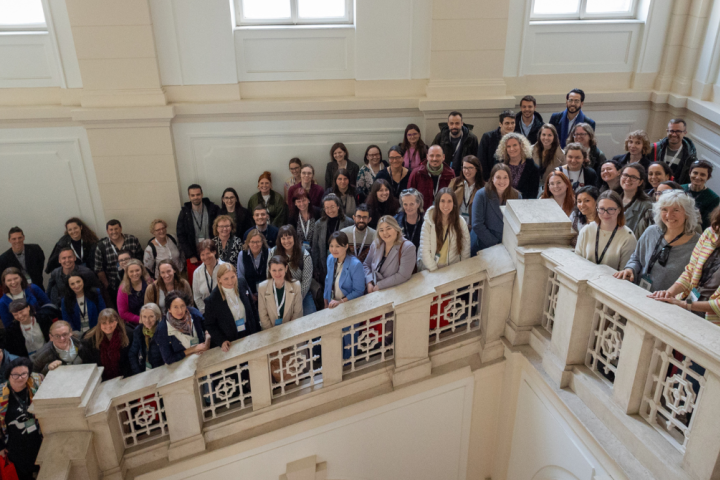
University of Ljubljana hosted Erasmus+ staff training
Last week of March, the University of Ljubljana hosted two trainings for professional staff working in the field of international cooperation and projects within the Erasmus+ programme. The training aimed to facilitate the exchange of best practices and to reflect on the changes that the new Erasmus+ program perspective, set to begin in 2028, will bring.


