
News
Customize list
-
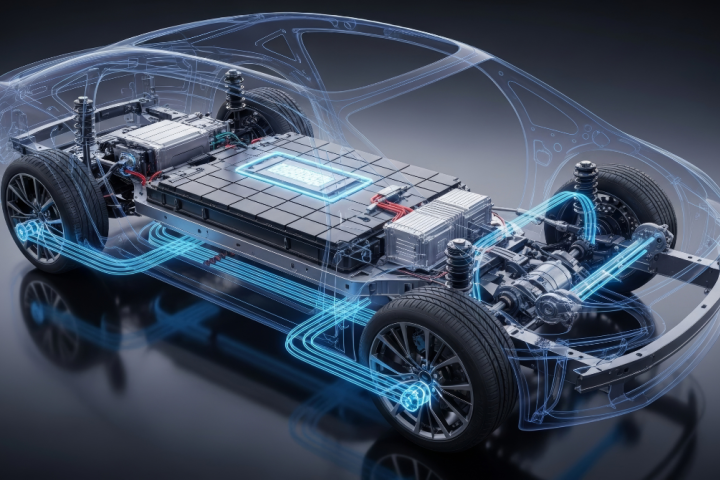
UL FS with a coordinating project towards the development of more efficient and sustainable e-mobility
The Faculty of Mechanical Engineering at the University of Ljubljana will lead the breakthrough research and development project NEO-TWIN: Next-Generation Methods, Tools, and Products for Innovative Diagnostics and Prognostics of Electric Vehicles Based on Digital Twins. Through the project, they aim to improve the diagnostics of batteries and other e-vehicle components, extend their service life, and thereby contribute to even more efficient and sustainable e-mobility.
-

Cavitation Bubbles: How “Bursting” Micro-explosions Can Create Better Chitosan
Researchers from the Faculty of Mechanical Engineering UL and the Institute of Chemistry have developed a new, faster, and more environmentally friendly method for preparing low molecular weight chitosan. In their work, they utilized cavitation—a clean, fast, and efficient technology that could replace some less sustainable existing methods. This breakthrough opens the way for the development of a new generation of materials that could be used in medicine, pharmacy, food applications, industry, and environmental solutions.
-

Waste Heat – Problem or Solution?
Waste heat could become one of the key sources of clean energy in the future. A new breakthrough study by researchers from the Faculty of Mechanical Engineering at the University of Ljubljana shows that advanced high-temperature heat pumps can significantly reduce energy consumption, greenhouse gas emissions, and thermal environmental impact—particularly in industry and the energy sector.
-

Why Small Differences in Materials Lead to Big Energy Savings?
Even small statistical variations in the magnetic properties of magnetocaloric materials have a major impact on the performance of future environmentally friendly cooling systems, researchers from the UL Faculty of Mechanical Engineering observe. These findings support the development of robust and reliable cooling devices and heat pumps that operate without harmful refrigerants.
-
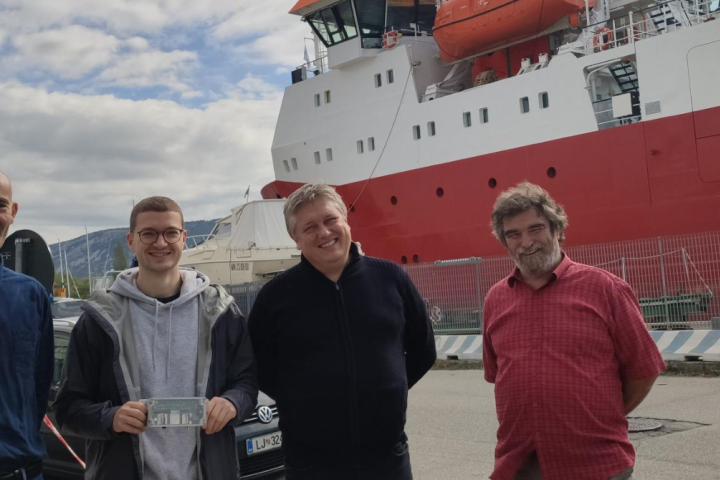
The Slovenian smart box, developed at the UL FE, has returned from Antarctica
How reliable are Global Navigation Satellite Systems (GNSS) when a ship sails through the harshest conditions on Earth? This question was answered by researchers from the Faculty of Electrical Engineering of the University of Ljubljana, the “Jožef Stefan” Institute, and the Faculty of Maritime Studies and Transport of the University of Ljubljana. On board the Italian icebreaker Laura Bassi, they carried out a 200-day research expedition. The collected data are crucial for developing the next generations of autonomous ships.
-
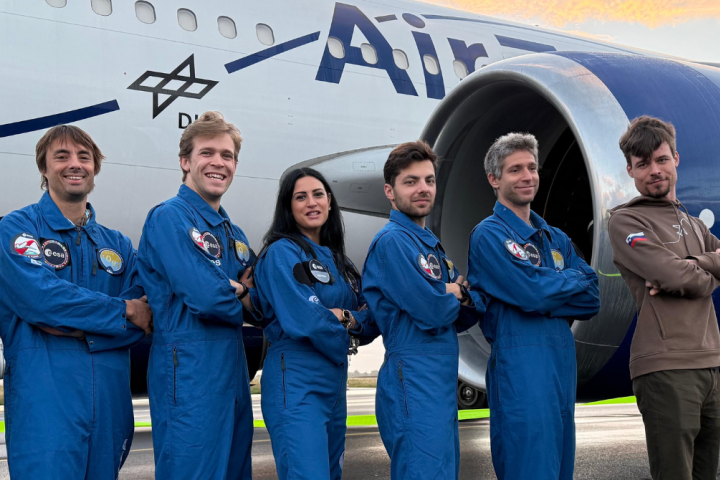
Slovenian Students Explore “Space Mayonnaise” in Microgravity
The CAVE 0g team from the University of Ljubljana studied the formation of emulsions in microgravity during the 87th parabolic flight campaign of the European Space Agency – a key step toward preparing food and medicine in space.
-

Can droplets reveal the pressure threshold of water-repellent surfaces?
Researchers from the Faculty of Mechanical Engineering at the University of Ljubljana developed a simple yet remarkably precise method that can determine, from a single drop of water, when superhydrophobic surfaces lose their water-repellent properties. This breakthrough will aid in the development of more durable water-repellent materials that can be used in industry, for example in cooling, self-cleaning, or corrosion protection.
-

How to Build a Relationships with Sustainability-Oriented Consumers?
For a successful transition to a more sustainable society, we need empathetic, credible, and strategically consistent communication—one that addresses the consumer not only as a buyer but also as a socially responsible individual, embedded in relationships with others and with nature.
-
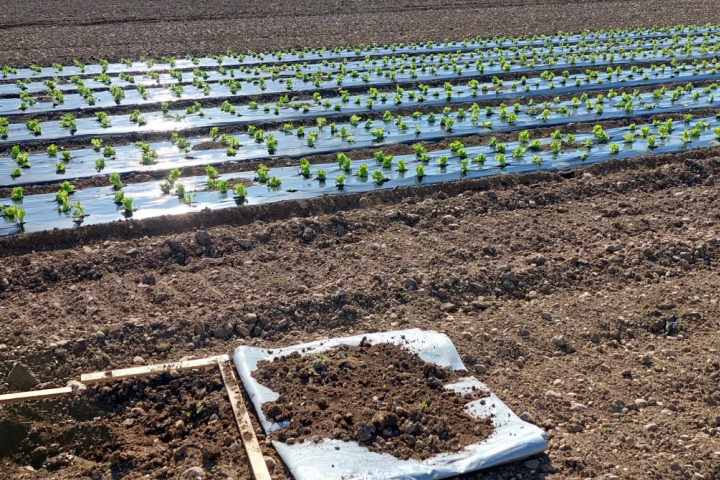
How Micro- and Nanoplastics (MNPs) Are Shaping European Agricultural Soils
Modern agriculture relies heavily on plastic products such as mulch films, greenhouses, and irrigation systems. However, a significant portion of this plastic ends up as micro- and nanoplastics in the soil. How does this affect ecosystems and food production across Europe? This is the central question addressed by the MINAGRIS project.
-
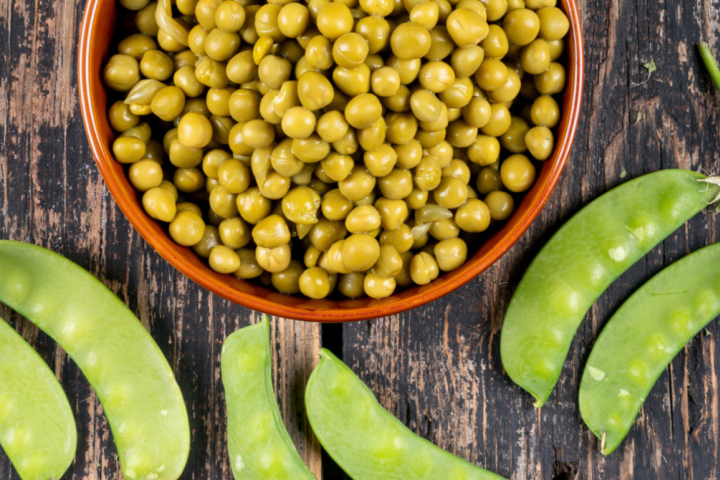
How to Enrich the Nutritional Value of Flour – Collaboration Between Slovenian Industry and Academia
Researchers from the Biotechnical Faculty and the Faculty of Chemistry and Chemical Technology at the University of Ljubljana have successfully developed a process for improving the nutritional value of pea flour through lactic acid fermentation. The interdisciplinary study, conducted in collaboration with a Slovenian food processing company goes beyond academic boundaries and presents a significant commercial value for the techonlogical application on an industrial scale.
-
Dr. Liju Raju is a recipient of the MSCA 2024 Postdoctoral Fellowship at UL FKKT
Dr. Liju Raju, post-doctoral researcher at the University of Ljubljana, has been awarded the prestigious Marie Skłodowska-Curie Action (MSCA) postdoctoral fellowship for his project CHITOCAT. The research work will be conducted at the Faculty of Chemistry and Chemical Technology under the mentorship of Dr. Ross Jansen van Vuuren.
-
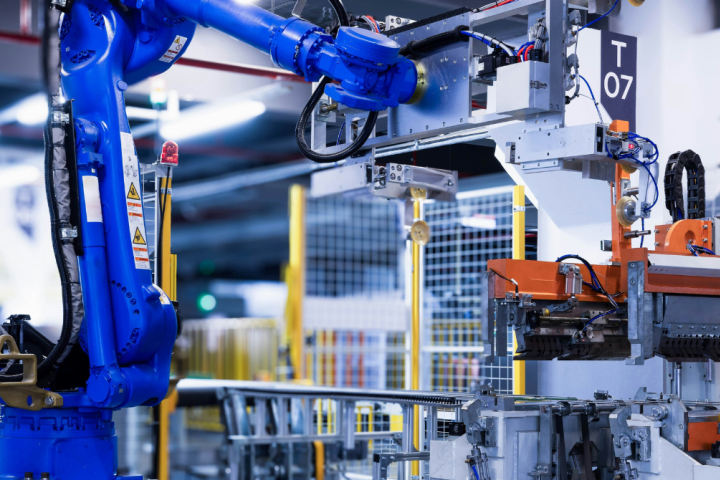
Revolution in manufacturing: Machine learning improves the precision of sheet metal stamping
Advancements in sheet metal stamping processes are creating new opportunities in industrial production. Researchers from the Faculty of Mechanical Engineering at the University of Ljubljana have developed an advanced method that uses machine learning to improve accuracy and reduce material waste.
-

Digital Nomads Reveal the Future of Work: What Do Their Stories on Reddit Tell Us?
The way we work has changed significantly in recent years, and in the coming years, it will become even more digital, mobile, and tailored to individuals. Digital nomads play a crucial role in this transformation. What drives them to choose this lifestyle, how do they shape their careers, and in what ways do they build their networks? Answers to these questions are provided by a study, which included Professor Dr. Matej Černe from the School of Economics and Business at the University of Ljubljana, analyzing over 66,000 discussions on the Reddit forum Digital Nomad.
-

Greentech: Hybrid Technologies for Factories of the Future and the Green Transition
A reduction of CO2 emissions by 17 million tons, energy savings of nearly 9 billion kWh, and a decrease in material consumption by approximately 800,000 tons over ten years. These are the expected outcomes of the groundbreaking Greentech program, which brings together 11 partners from academia and industry. The program is led by the Faculty of Mechanical Engineering at the University of Ljubljana.
-
Comprehensive Overview of Plasma Electrolytic Polishing
Additive technologies are increasingly used for the production of metal components as they allow for efficient shape customization in a short time and with reduced material consumption. However, the lower surface quality of printed parts limits their direct industrial use. The growing demand for post-processing of metal parts produced by additive technologies highlights the potential of PeP technology as an environmentally friendly and efficient polishing method.
-

Developing sustainability communication is the key to a better future
Sustainability communication is becoming increasingly important in addressing pressing environmental and social issues. If done effectively, it can contribute to the faster adoption of sustainable practices and the improvement of public awareness. In doing so, it should not only focus on avoiding greenwashing but also on how to effectively engage stakeholders in complex sustainability challenges.
-

Transforming food waste into sustainable soil improvers
Food waste is a major challenge of modern times. How to reduce it and use it usefully? This challenge will be faced by the partners on the Waste4Soil project. The living laboratories will look for new technological solutions and products to reduce the amount of food waste by recycling it into soil improvers and biostimulants.
-
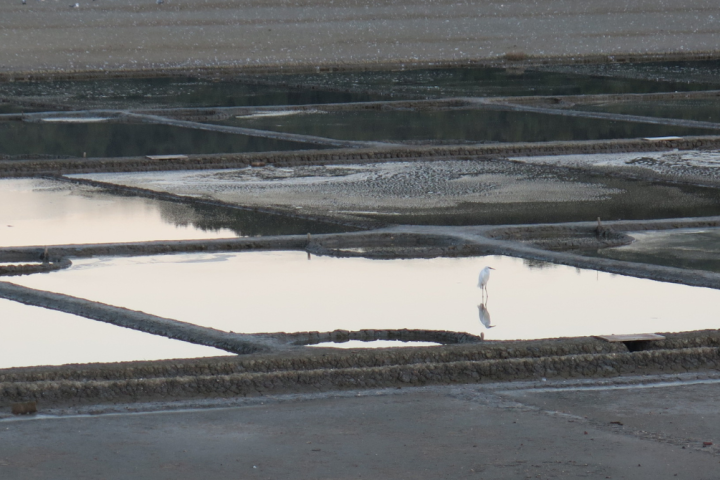
LANDLABS - Landscape Laboratories: Design Strategies for Sustainable and Beautiful Landscapes of the Anthropocene
How can landfills, mining areas or transportation infrastructure corridors that are part of our urban landscape be transformed into sustainable and beautiful places? How can we create a coexistence between humans, animals, plants, water, soil and technical elements in these areas? These are the questions addressed by LANDLABS, a doctoral research project in the field of landscape planning and design, which was successfully funded in April 2024 as part of the call for Marie Sklodowska-Curie Doctoral Networks.
-
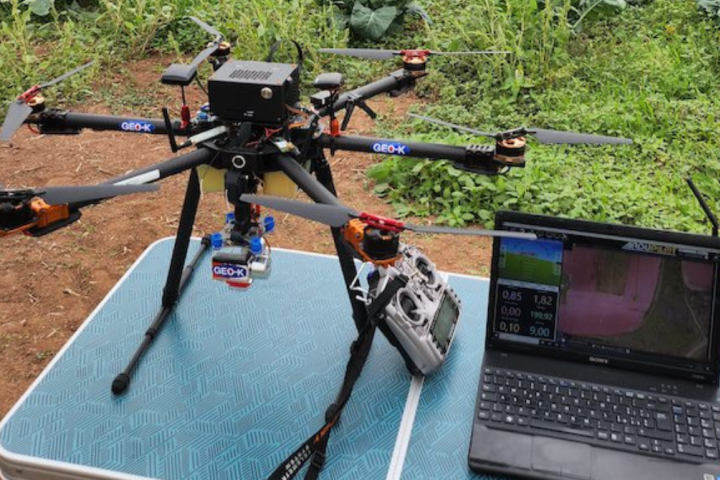
New Technology developed at UL FRI Makes Drone-Based Precision Agriculture More Efficient
Researchers at UL's Faculty of Computer and Information Science (FRI) have made a significant breakthrough in drone-based precision agriculture with a new AI technology. Limited onboard processing power in drones usually leads to the processing of the acquired images to take place post-flight, when they are downloaded and analyzed on a separate computer. Dr. Octavian Machidon's team, working on the H2020 Smart4All AgriAdapt project in 2023, tackled this limitation head-on. They developed an energy-efficient, adaptive framework enabling real-time processing of UAV images onboard the drone itself.
-
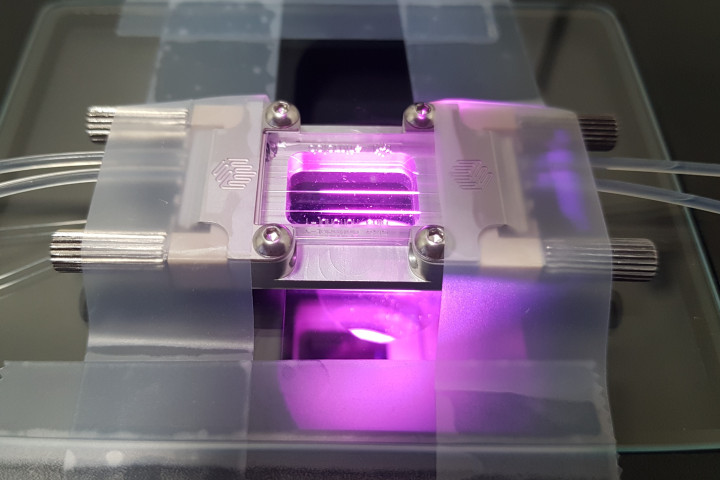
Researchers from the Faculty of Chemistry and Chemical Technology of the University of Ljubljana have obtained a Twinning project in the field of continuous (bio)catalytic processes
Under the leadership of Prof. Dr. Polona Žnidaršič Plazl, researchers from the Faculty of Chemistry and Chemical Technology of the University of Ljubljana (UL FKKT) have obtained a Twinning project titled "Twinning for Building Excellence and Innovative Solutions in Flow Catalysis" – FlowCat.


