
News
Customize list
-

When Time Saved Turns into More Work
Artificial intelligence helps us complete tasks faster. Yet the time we save is often filled with new work. Research on digital overload, work intensity, sleep, recovery, and human sustainability raises an important question: are we recovering as quickly as we are using up our energy?
-

What Do Parents Think About Age Restrictions on Access to Social Media?
In Slovenia, 83% of parents support restricting access to social media for children and adolescents under the age of 15, according to a survey of parents’ views on children joining social media platforms and on parental controls.
-

Ljubljana on the European map of medical radioisotope production
European hospitals regularly face shortages of radioisotopes (or radionuclides) that are essential for detecting and treating cancer. The IFIGENEIA project, in which the University of Ljubljana takes part, is building an ecosystem for producing radioisotopes with new technologies that would bring this supply closer to patients in the region.
-

Are future healthcare professionals ready to use telemedicine?
Telemedicine promises easier access to healthcare, but its future will also depend on the people who will use it. How prepared are future healthcare professionals to work with new technologies?
-

Higher diet quality is associated with a lower risk of developing dementia
Higher diet quality is associated with a lower risk of developing dementia, even among older adults with biological markers indicating an increased risk of neurodegenerative diseases. This is the key finding of a new study co-authored by asst. Anja Mrhar, MSc in Nutrition Engineering, a researcher and doctoral candidate at the Biotechnical Faculty UL.
-
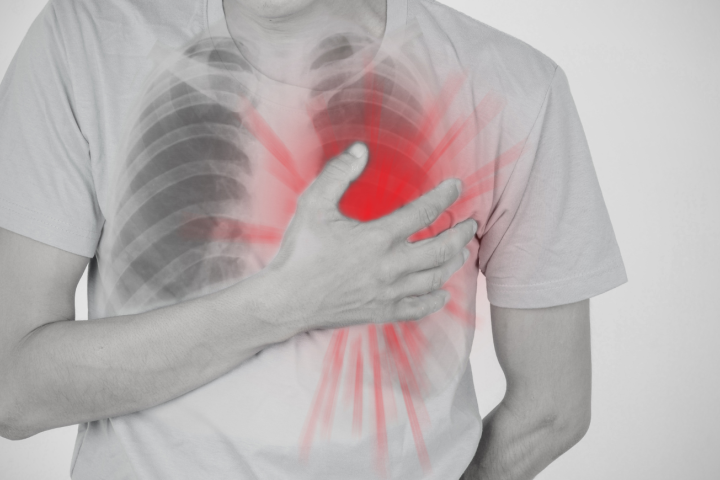
Combating the Most Dangerous Heart Diseases with High-Voltage Electrical Pulses
Researchers from the University of Ljubljana, together with partners in the interdisciplinary project CardioEP Experimental and Clinical Cardiac (Electro)physiology and Cell and Gene Therapy with Electroporation, are developing therapies for the treatment of a broad spectrum of heart diseases, from the most dangerous arrhythmias to heart failure, based on electroporation.
-
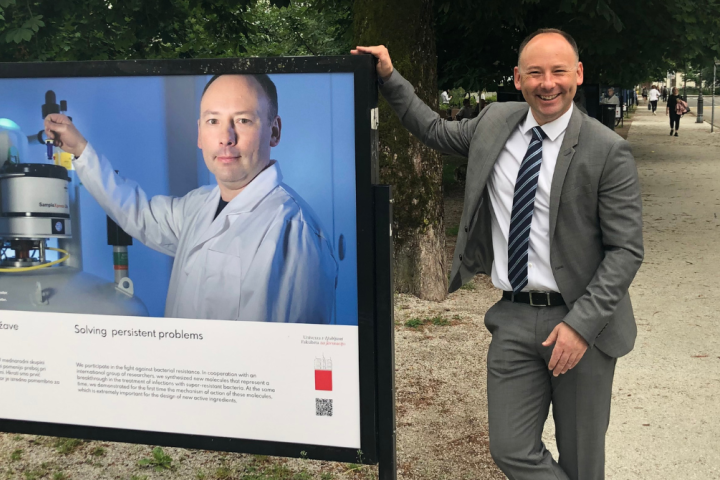
Prof. Marko Anderluh from the UL FFA awarded a prestigious MSCA Doctoral Network project
Prof. Marko Anderluh from the Faculty of Pharmacy UL is coordinating a prestigious European MSCA Doctoral Network project that received €4.3 million in funding from the Horizon Europe framework programme. Within the LLIMIT project, partners and doctoral students will develop innovative therapeutic agents to precisely modulate the immune system by targeting lectins.
-
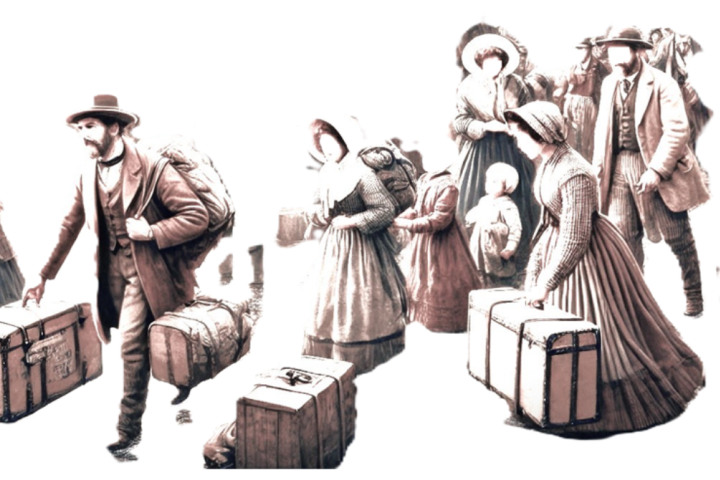
A Marie Skłodowska-Curie postdoctoral project to challenge narratives on migrant women
Dr Sara Delmedico (PhD, University of Cambridge) is the recipient of the prestigious Marie Skłodowska-Curie postdoctoral fellowship. As part of her fellowship, she will conduct research on how Italian-speaking women migrating from Northern Italy and the former Austro-Hungarian territories to the Americas were represented and represented themselves. She will be mentored by Professor Marta Verginella, Department of History, Faculty of Arts, University of Ljubljana.
-

Mental Health: Nearly One-Third of Young People Who Participated in the Survey Consider Seeking Help but Do Not Do So
The mental health of young people in Slovenia represents a serious challenge that cannot be addressed solely through individual approaches or within the healthcare system, but requires broader reflection on social relationships, living conditions, and opportunities for the future.
-

How to Improve the Position of Young Carers?
Across Europe, thousands of children and young people care for ill, disabled, or addicted family members – often in silence and without recognition. Young carers represent a vulnerable and frequently overlooked group whose needs are too often neglected in public policies. The path toward including their voices in policy-making is being opened by the international project OUR VOICES, implemented by the Faculty of Social Sciences at the University of Ljubljana.
-

The Queen of the Mountains Returns to Porezen
The Botanical Garden of the University of Ljubljana is saving a rare and endangered plant species – Eryngium alpinum, known as the Queen of the Mountains or alpine sea holly – with the help of seed banks.
-

You're Never Too Old to Be Scammed Online – and Cybercriminals Know It
Older adults are increasingly facing online scams and cyber threats. Due to less experience and greater trust in others, they are often targeted by attackers. However, not all older internet users are equally vulnerable – their digital skills and needs vary greatly.
-
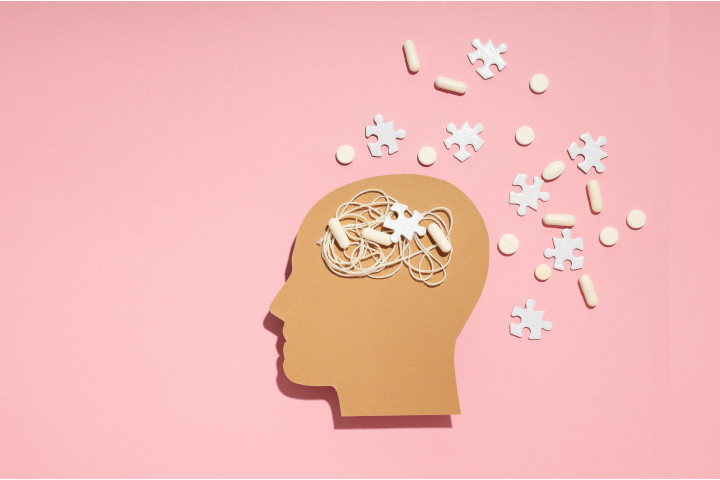
A Major Breakthrough in Understanding Multiple Sclerosis
The regeneration of myelin – the protective sheath that surrounds nerve fibers – is one of the greatest challenges in the treatment of multiple sclerosis. Slovenian researchers have now discovered a key mechanism that could lead to new therapeutic approaches for promoting the regeneration of nervous tissue.
-

University of Ljubljana adopts Guidelines on Reconciling Work, Study and Private Life
In March 2025, the University of Ljubljana (UL) adopted the Guidelines on Reconciling Work, Study and Private Life, which also cover longer leaves of absence for employees and students, and are aimed at creating a supportive and encouraging environment for all members of the academic community.
-
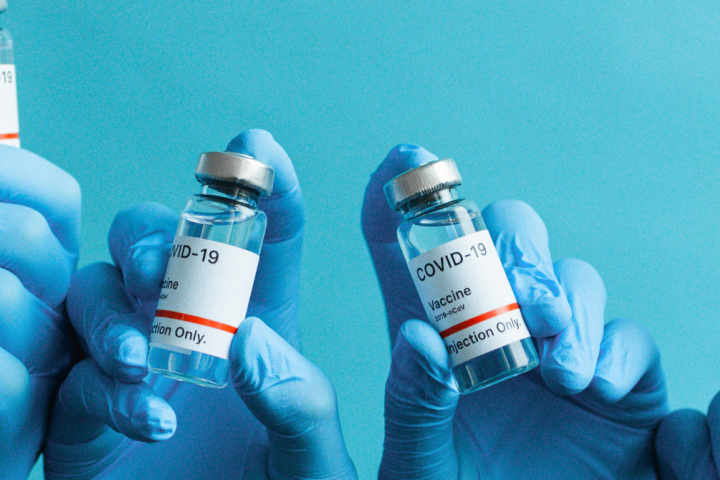
Young People and COVID-19 Vaccination: What Influenced Their Decision to Get Vaccinated?
In Slovenia, young people aged 23 to 26, with higher education levels and above-average material status, were the most likely to choose COVID-19 vaccination. Conversely, the youngest (15–18 years old) and slightly older (27–30 years old) individuals, who had lower education levels, lived more often in rural areas, and had mothers or primary caregivers with lower education levels, were more likely to refuse vaccination. These individuals also more frequently reported having already contracted COVID-19. A study by the Faculty of Social Sciences at the University of Ljubljana, which examined why Slovenia had one of the lowest COVID-19 vaccination rates in the EU in 2021, revealed that young people's vaccination decisions were strongly linked to their socioeconomic status.
-

Serious Game Reduces Victim Blaming and Encourages Reporting of Cyber Violence
A study conducted by the Faculty of Social Sciences at the University of Ljubljana has shown that serious games can play a significant role in preventing cyber violence. Young people who participated in the educational program were less likely to blame victims after the workshops and became more aware of the importance of reporting cyber violence. However, the results also indicate that many young people lack knowledge on how and where to report such incidents.
-

Biotechnical Faculty UL Secures up to 2.5 Million in European Funding for the ERA Chair - Foodomics Project
The Biotechnical Faculty of the University of Ljubljana (UL BF) has successfully obtained 2.5 million euros through the Horizon Europe research and innovation program for the ERA Chair project titled "Chair of Metabolomics in Food and Nutrition (Foodomics)." This project will establish a new interdisciplinary Center for Metabolomics.
-

New Ways of "Recognizing" Biological Molecules
For the normal course of all life processes, the cooperation of multiple biomolecules is required, such as various proteins, DNA molecules, etc. It is crucial that specific molecules form mutual 'contacts' to execute a particular biological process. But how do different molecules "know" which ones should meet?
-

10 Steps to a National System for Monitoring the Physical Fitness of Children and Adolescents According to Recommendations from the FitBack Network
In an era where children and adolescents are increasingly exposed to sedentary lifestyles and screen time, the question arises on how to reverse the trend of their continuous decline in physical fitness. A recent study published in the Scandinavian Journal of Medicine and Science in Sports, prominently featuring researchers from the SLOfit team, offers a solution—systematic monitoring of physical fitness at both individual and population levels. There are several such national systems currently in existence—how do they differ? What are their advantages, and where are their limitations? Most importantly, how can we design and establish such a system using the best practices in 10 steps?
-
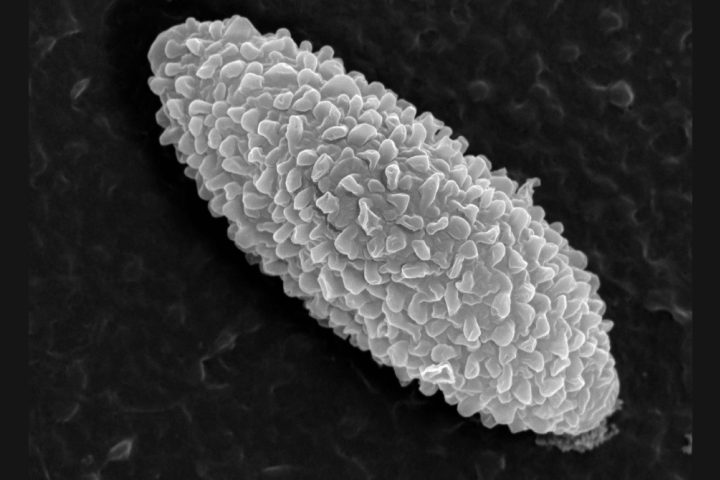
With a universal mechanism of cellular movement to new possibilities for treating cancer
Cell migration in the body is a fundamental biological phenomenon. Immune cells constantly search for pathogens throughout the body, while cancer cells migrate, causing metastases. To better understand the migration of immune and cancer cells, researchers, including Assoc. Prof. Dr. Samo Penič and Prof. Dr. Aleš Iglič from the Faculty of Electrical Engineering, University of Ljubljana, have developed a universal physical model of cell movement. This has also paved the way for new possibilities in the treatment of cancer.


