
News
Customize list
-

Academician Professor Dr Ivan Bratko receives the Golden Order of Merit
At the conclusion of the 6th Presidential Forum on Artificial Intelligence on 7 May 2026, the President of the Republic of Slovenia, Nataša Pirc Musar, presented the Golden Order of Merit to Academician Professor Dr Ivan Bratko in recognition of his outstanding contribution to the establishment and development of artificial intelligence in Slovenia, his pioneering and internationally acclaimed contribution to the development of machine learning and logic programming, and his lasting impact on the international recognition of Slovenian science.
-
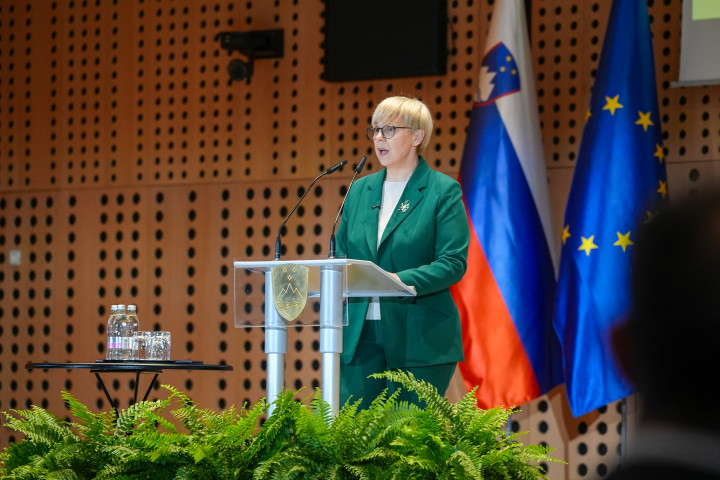
Presidential Forum on Artificial Intelligence
This year’s Presidential Forum on Artificial Intelligence was significantly shaped by experts from the UL Faculty of Computer and Information Science, whose work builds on 50 years of artificial intelligence (AI) research in Slovenia. On 7 May 2026, experts, decision-makers, researchers and business representatives gathered at Brdo pri Kranju to discuss the current state of AI and the steps needed for the successful implementation of the technology in practice.
-
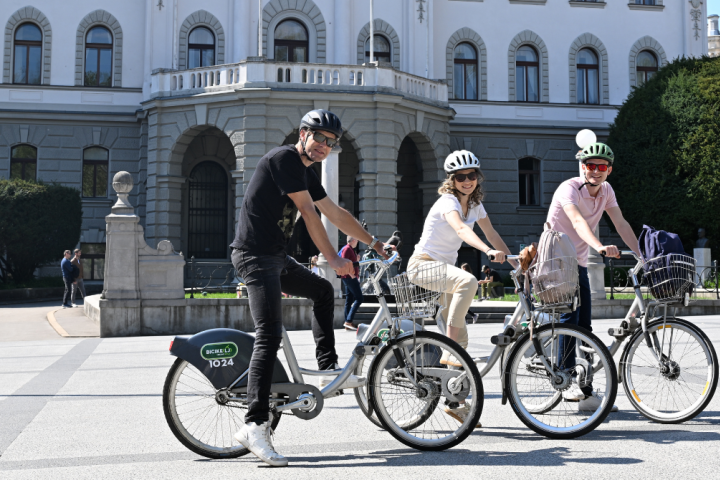
European Student Cycling Challenge invites you to help shape the future of mobility
The University of Ljubljana supports the CYCLE2CONNECT – European Student Cycling Challenge 2027 project and invites students to take part in one of Europe’s largest initiatives promoting sustainable mobility, an active lifestyle and international networking. The project is part of the Erasmus+ Sport programme and brings together students from 12 European countries in a shared cycling challenge. The initiative aims to encourage the integration of cycling into everyday life, improve young people’s health, and reduce adverse environmental impacts.
-

International spring school on the Environment and Sustainable Development brings together students and experts in Ljubljana
The international spring school entitled Environment and Sustainable Development took place at the UL Faculty of Education between 20 and 24 April 2026 as part of the Erasmus+ Blended Intensive Programmes (BIP). The event was organised by the UNESCO Chair on Teacher Education for Sustainable Development in cooperation with the University of Klagenfurt, Private University College of Teacher Education Augustinum in Graz, and the National and Kapodistrian University of Athens.
-

Selected works of art for the new Vrazov Trg Campus of the UL Faculty of Medicine
As part of the New Building of the University of Ljubljana, Vrazov Trg Campus project, seven works of art have been selected for installation in the publicly accessible interior spaces and outdoor areas of the new campus. The expert committee selected the works from among 100 competition proposals, following the criteria of artistic quality and suitability for the space.
-
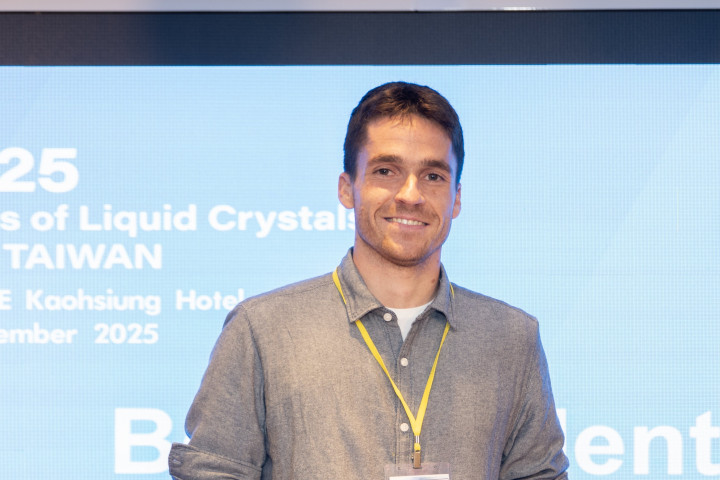
Teaching Assistant Jaka Zaplotnik receives the highest international accolade, the Diamond Award for young researchers in the field of liquid crystals
Teaching Assistant Jaka Zaplotnik, a doctoral student at the UL Faculty of Mathematics and Physics, has received the prestigious international Liquid Crystal Research Excellence Award, presented by the International Liquid Crystal Society and Meta Reality Labs Research. Among the three awards presented annually to young researchers from around the world, he received the highest distinction – the Diamond Award.
-
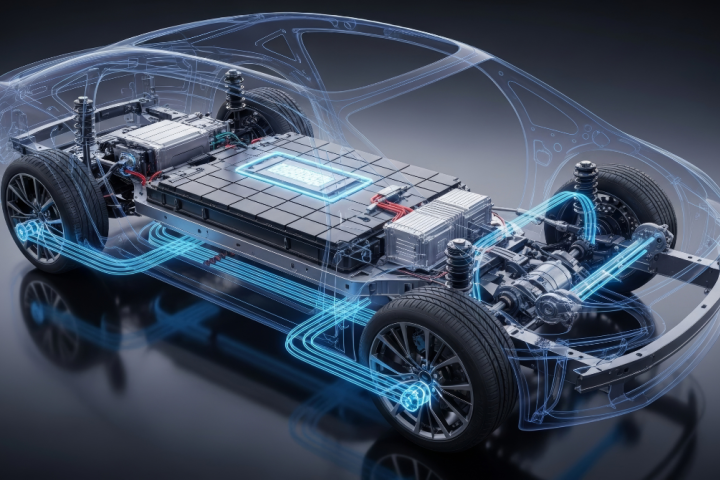
UL FS with a coordinating project towards the development of more efficient and sustainable e-mobility
The Faculty of Mechanical Engineering at the University of Ljubljana will lead the breakthrough research and development project NEO-TWIN: Next-Generation Methods, Tools, and Products for Innovative Diagnostics and Prognostics of Electric Vehicles Based on Digital Twins. Through the project, they aim to improve the diagnostics of batteries and other e-vehicle components, extend their service life, and thereby contribute to even more efficient and sustainable e-mobility.
-

Slovenian astronomer from the UL FMF Gregor Rihtaršič awarded prestigious ESA fellowship
Gregor Rihtaršič, a doctoral student at the Faculty of Mathematics and Physics of the University of Ljubljana, has been awarded a research fellowship from the European Space Agency (ESA), one of the most competitive research programs in astrophysics in Europe. His achievement represents an important recognition of both his research work and Slovenian astrophysics.
-

AI between regulation, new tools and questions about the value of knowledge
Over the past two weeks, developments in the field of artificial intelligence in higher education have intensified at the intersection of three forces. On the one hand, universities are testing new tools that promise personalisation and a reduction in the workload of teaching staff; on the other hand, they are facing increasingly vocal concerns from teaching staff. At the same time, the final trilogue on the AI Omnibus has collapsed at European level, meaning that the deadline of 2 August 2026 for the full implementation of the AI Act remains in force and will also have a direct impact on higher education practice. In Slovenia, reflection continues on what AI means for the quality of knowledge and competences; at the same time, visitors can view an interesting exhibition on five decades of AI development in the country, which concluded on 3 May with guided tours in English.
-
Combating the Most Dangerous Heart Diseases with High-Voltage Electrical Pulses
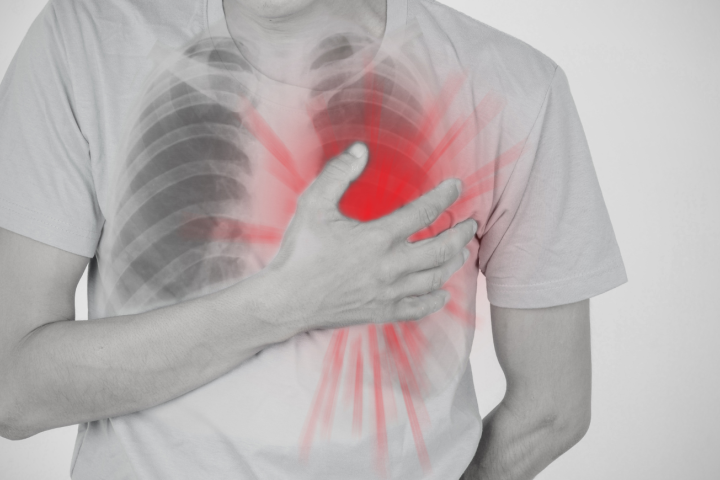
Researchers from the University of Ljubljana, together with partners in the interdisciplinary project CardioEP Experimental and Clinical Cardiac (Electro)physiology and Cell and Gene Therapy with Electroporation, are developing therapies for the treatment of a broad spectrum of heart diseases, from the most dangerous arrhythmias to heart failure, based on electroporation.
-

Dr. Jana Bedek is a recipient of the Marie Skłodowska-Curie Postdoctoral Fellowship
Dr. Jana Bedek, employed at the Croatian Biospeleological Society, was successful under the mentorship of Associate Professor Dr. Cene Fišer from the Biotechnical Faculty of the University of Ljubljana in securing a Marie Skłodowska-Curie Actions (MSCA) postdoctoral fellowship.
-
Edvard Rusjan Team triumphs at Design/Build/Fly 2026
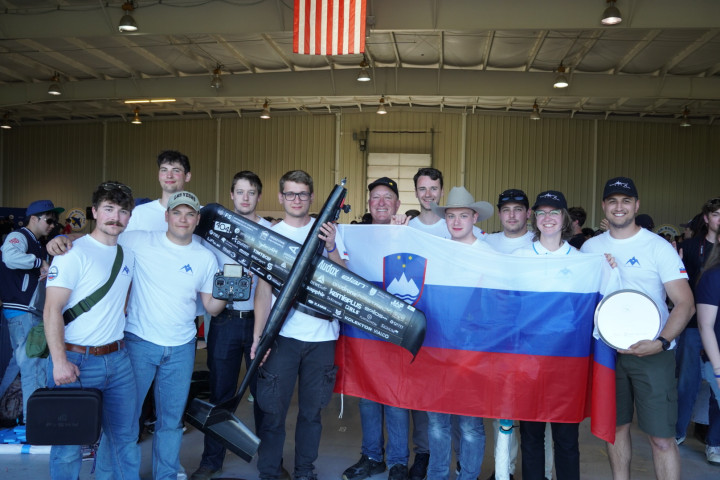
The Edvard Rusjan Team have soared to first place at the international Design/Build/Fly 2026 competition in the USA, with their ‘Brvinc’ aircraft beating off competition from 98 other university teams from around the world. Knowledge, persistence and several months of intense work propelled the team to the top of one of the most demanding student aviation competitions. Success was made possible by more than 30 students from a range of University of Ljubljana faculties: of mechanical engineering, electrical engineering, computer and information science, chemistry and chemical technology, social sciences, and the biotechnical faculty.
-
Flagship European University Association (EUA) event to be held in Ljubljana next year
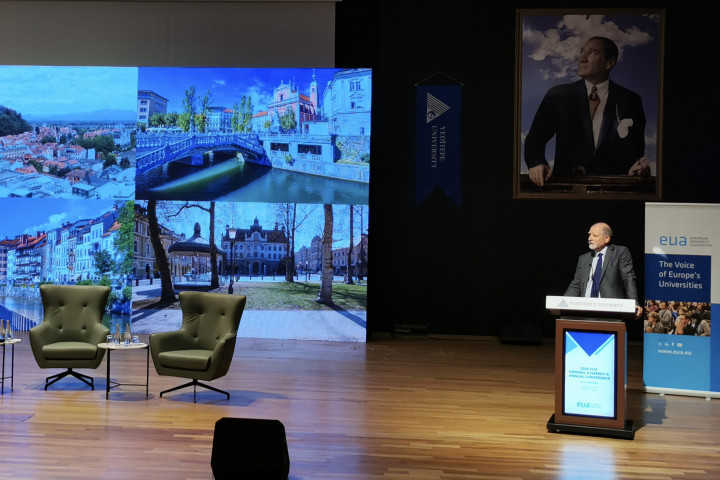
The Slovenian Rectors’ Conference, the presidency of which is currently held by the University of Maribor, will host the annual conference and general assembly of the European University Association (EUA) at the University of Ljubljana on 15 and 16 April next year. This is the flagship event of Europe’s largest association of universities, and involves more than 900 institutions from 48 countries. It attracts between 400 and 500 participants every year, among them several hundred rectors of European universities. The University of Ljubljana’s selection as host was officially announced at this year’s EUA conference in Istanbul, with its Rector Prof. Dr. Gregor Majdič presenting details of the host organisation and city.
-

Artificial Intelligence in Higher Education: From Specific Practices to Systemic Changes
Artificial intelligence (AI) in higher education is increasingly acting as a catalyst for change that extends beyond the use of individual tools. It raises broader questions about the nature of learning, teaching, and knowledge, and is gradually transforming pedagogical practices, the role of the teacher, and expectations of students. Questions of responsibility, meaningful use, and the development of competencies that will enable high-quality education in the long term are coming to the forefront. This newsletter features a selection of current reflections and concrete examples—ranging from pedagogical and research practices to the functioning of the academic community and broader social and political contexts—which together illustrate how UI is gradually establishing itself within the university landscape.
-
University of Ljubljana passes the Business and Quality Assurance Report
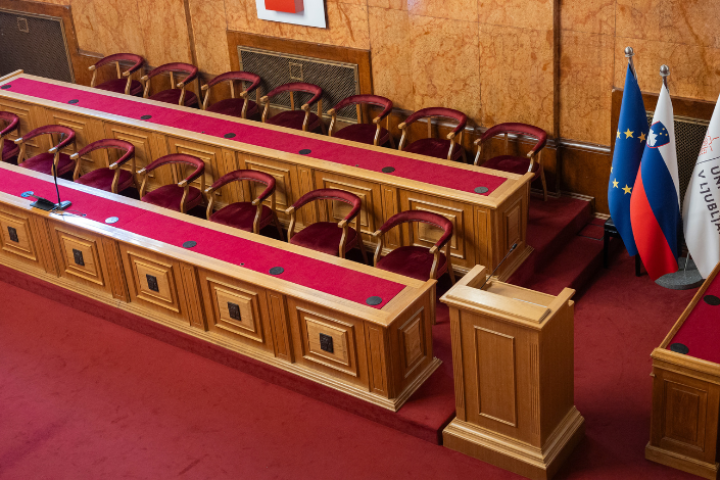
At its sixth regular session on Tuesday 31 March, the University of Ljubljana (UL) Senate passed the Business and Quality Assurance Report. The report contains a review of the activities carried out in 2025 in pursuit of the strategic objectives set out in the 2025 programme of work.
-

Installation of a new bicycle service station at the Rožna Dolina campus in support of sustainable micromobility
In collaboration with Študentski Dom Ljubljana, the body responsible for managing the halls of residence, and following an initiative from the Student Community Gardens organisation, the University of Ljubljana installed a new bicycle service station at the Rožna Dolina campus on Wednesday 15 April. The aim is to encourage UL students to choose sustainable forms of micromobility such as cycling for their daily transport needs.
-

Artificial Intelligence Accelerates Plasma Simulations and Opens New Pathways to Fusion Energy
Researchers at the Faculty of Mechanical Engineering UL (UL FS) have developed a machine-learning approach that significantly accelerates complex physical simulations of plasma in fusion reactors. By using advanced surrogate models, researchers can predict plasma behaviour much faster, contributing to more efficient development of fusion energy as one of the key sustainable energy sources of the future.
-

Public letter in support of the University of Belgrade and in defence of university autonomy
The University of Ljubljana is following events at the University of Belgrade with great concern. The entry of criminal police units on to university premises raises serious questions about respect for institutional autonomy, which is one of the fundamental historical foundations for the operation of European universities.
-
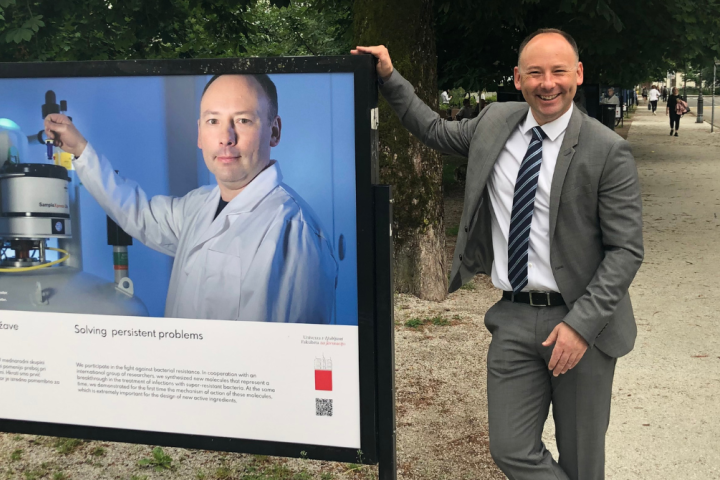
Prof. Marko Anderluh from the UL FFA awarded a prestigious MSCA Doctoral Network project
Prof. Marko Anderluh from the Faculty of Pharmacy UL is coordinating a prestigious European MSCA Doctoral Network project that received €4.3 million in funding from the Horizon Europe framework programme. Within the LLIMIT project, partners and doctoral students will develop innovative therapeutic agents to precisely modulate the immune system by targeting lectins.
-
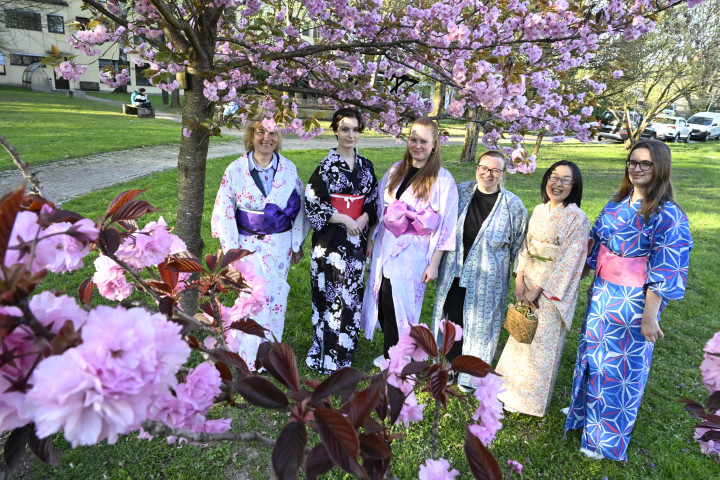
Cherry Blossom, Science and Culture: Hanami at the Biotechnical Faculty
On 8 April, the University of Ljubljana’s Biotechnical Faculty (UL BF) celebrated hanami, the traditional Japanese custom of viewing cherry blossoms, with the aim of bringing Slovenian and Japanese culture closer together. The event featured talks, workshops and social gatherings beneath the blossoming cherry trees at the UL BF Department of Forestry’s Dendrological Garden.


